 EN
EN

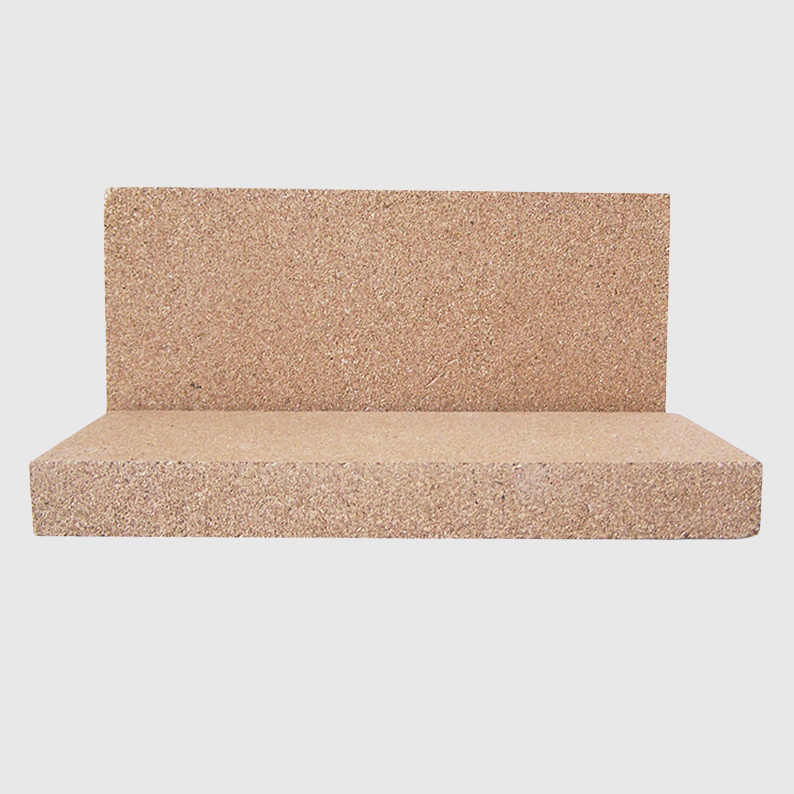
Refractory Vermiculite Brick Navigating Key Industrial Challenges
Industrial furnaces and kilns operate under some of the most punishing conditions imaginable in the modern manufacturing sector. The internal lining materials within these structures are constantly subjected to extreme thermal loads, chemical corrosion, and mechanical stress caused by loading and unloading cycles. Refractory vermiculite bricks have rapidly become the industry standard for these high stakes environments, offering a level of versatility and thermal efficiency that traditional fire bricks or heavy ceramic materials simply cannot match. However, the path to implementing these bricks successfully involves overcoming specific, complex challenges related to material quality, installation precision, and long term thermal management. Addressing these hurdles is essential for any plant manager aiming to optimize performance.
Deep Dive into Advanced Refractory Performance
The performance of a high quality refractory brick is determined by its ability to maintain structural integrity throughout extreme thermal cycles. In environments such as steel ladles, aluminum holding furnaces, or large scale industrial boilers, the lining material is frequently subjected to rapid temperature fluctuations. The primary challenge faced by engineers is preventing spalling, cracking, and chemical erosion, which can lead to catastrophic equipment failure and expensive operational downtime. Through decades of advanced material research and development, the industry has perfected the high temperature sintering of vermiculite. This process results in a brick that is both remarkably lightweight and incredibly resilient. This technical sophistication allows for superior heat containment within the furnace, effectively reducing the total amount of energy required to maintain target temperatures, which is a major advantage for energy intensive industries.
Strategic Considerations for Industrial Managers and Engineers
For operational managers overseeing these large facilities, the choice of refractory material is a critical strategic decision that influences every aspect of production, from daily throughput to the total lifespan of the equipment. It is not merely about choosing a material with high heat resistance; it is about understanding how that material interacts with the broader heating system. Proper sizing, edge treatment, and chemical composition are vital to ensure a perfectly snug fit, which eliminates potential heat leaks and dangerous hotspots. This high level of attention to detail is what separates a standard, problematic installation from one that is fully optimized for peak performance. Professional engineering teams often seek out partners who can provide not only the bricks but also the technical guidance to ensure the installation process is perfectly executed to match the specific furnace geometry.
The Role of Specialized Manufacturing and Supply Chain
Quality control is arguably the most significant hurdle in the reliable production of refractory bricks. Bluewind addresses this challenge by maintaining exceptionally rigorous standards in raw material selection and manufacturing precision. By employing advanced, high pressure hydraulic pressing technologies, the company ensures that every single brick possesses the uniform density required for consistent, reliable performance under load. This meticulous attention to detail effectively reduces the risk of premature failure and provides a stable, predictable supply chain for companies that rely on tight maintenance schedules. The capability to manufacture bricks to exact specifications and custom geometries is a key value proposition that helps global clients manage their technical challenges efficiently and maintain continuous operation.
Advancing Industrial Resilience for the Future
Overcoming persistent industrial challenges requires a powerful combination of high quality materials and expert partnerships. Refractory vermiculite bricks serve as the essential foundation for reliable thermal containment in modern factories. As industrial processes continue to advance and temperatures become higher, the demand for even more specialized and durable refractory solutions will continue to rise. By focusing on constant technical innovation and manufacturing excellence, companies can ensure their facilities remain at the very forefront of safety and efficiency, setting a performance standard that others will strive to follow. Investing in the right refractory solutions is not just a maintenance task; it is a commitment to the long term stability and success of the industrial enterprise.