 EN
EN

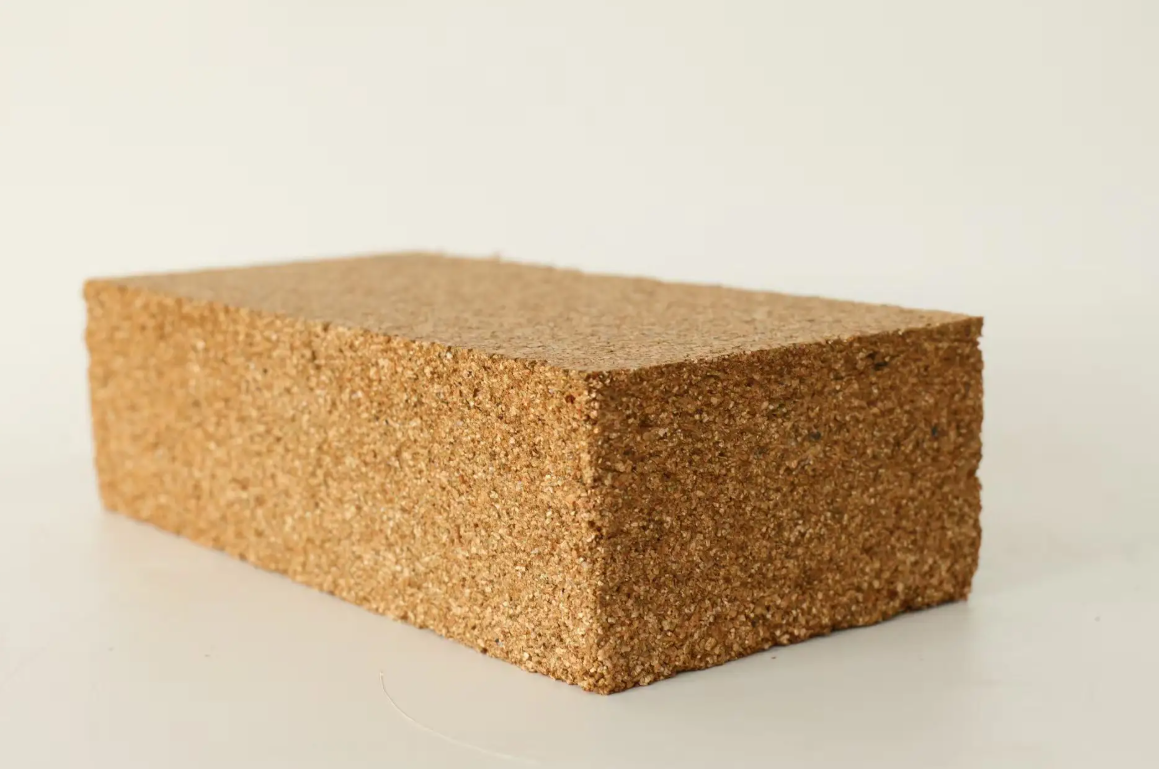
Steel Ladle Thermal Board Fundamentals: Composition, Mechanisms, and Performance Metrics
Core Materials and Thermal Resistance Principles: Calcium Silicate vs. Nano-Microporous Structures
The efficiency of a steel ladle thermal board hinges on its material composition and underlying thermal resistance mechanism. Traditional calcium silicate boards rely on a highly porous microstructure to trap air—limiting conductive heat transfer—but their performance degrades under sustained high-temperature exposure. In contrast, advanced nano-microporous boards integrate engineered opacifiers and precisely controlled nanoscale pores to suppress both conduction and infrared radiation. This dual-action design achieves significantly lower thermal conductivity while preserving mechanical stability during aggressive ladle cycling.
| Performance Dimension | Calcium Silicate Board | Nano-Microporous Board |
|---|---|---|
| Thermal Conductivity (k-value) | 0.12 – 0.15 W/(m·K) | ≤ 0.05 W/(m·K) |
| Maximum Service Temperature | 1000°C | 1100°C |
| Long-Term Stability after Thermal Cycling | Moderate degradation | Excellent retention |
Key Performance Indicators: k-value, Service Temperature Range, and Compressive Strength Under Thermal Cycling
Three metrics define real-world suitability for a steel ladle thermal board:
- Thermal conductivity (k-value) directly reflects insulation efficiency—lower values indicate less heat escapes through the ladle wall.
- Service temperature range must exceed peak operational demands; although molten steel reaches ~1600°C, the board itself operates behind the working lining and must withstand sustained exposure up to at least 1100°C without structural or chemical breakdown.
- Compressive strength after thermal cycling measures resilience to repeated heating and cooling—a critical factor, as loss of integrity leads to delamination, cracking, or shell overheating. Boards retaining ≥90% of initial compressive strength after 50+ cycles demonstrate proven durability in demanding steelmaking environments.
Quantifying Efficiency Gains: Heat Loss Reduction and Molten Steel Temperature Stability
Radiative and Conductive Heat Loss Mitigation in Real-World Ladle Operations
In modern steelmaking, the ladle acts as a thermal battery: uncontrolled heat loss during holding and transport increases energy costs and risks temperature non-compliance downstream. High-performance thermal boards mitigate both radiative and conductive losses—reflecting infrared energy via low-emissivity surfaces while minimizing solid conduction through optimized pore architecture. Thermal imaging of operating 260-ton ladles shows surface temperatures drop from 290°C with conventional brick linings to under 160°C when insulated with advanced thermal boards—a 45% reduction that stabilizes internal thermal gradients. This consistency enables tighter superheat control and reduces reheat energy demand at the continuous caster.
Case Evidence: 22% Lower Average Temperature Drop (1580°C → 1545°C) Over 90 Minutes at ArcelorMittal Ghent
A field trial at ArcelorMittal Ghent provides empirical validation. Over a standardized 90-minute holding cycle, ladles with standard refractory linings cooled from 1580°C to 1525°C (a 55°C drop), whereas those equipped with nano-microporous thermal boards dropped only 35°C—to 1545°C. This 22% smaller temperature delta allows tapping at lower initial temperatures without sacrificing castability, saving ~1.5 kWh per ton of liquid steel. Across 120 heats, the cumulative effect avoided approximately 18 tons of CO₂ emissions per ladle—demonstrating how thermal board technology delivers measurable gains in energy efficiency, emissions reduction, and process stability.
Energy Savings and Operational Cost Reduction Enabled by Steel Ladle Thermal Board
High-performance steel ladle thermal boards deliver direct, scalable energy and cost savings. By reducing heat loss through superior thermal resistance, they lower the energy required to maintain target molten steel temperatures during transfer and processing. Industry data confirms optimized thermal linings can reduce temperature drops by over 20% in standard holding periods—cutting reheating energy consumption accordingly. For a typical 300-ton ladle cycle, this translates to an estimated 8% reduction in energy expenditure per heat. When applied across annual production volumes, plants report operational savings exceeding $740k annually through reduced fuel and electricity use alone. Beyond energy, improved thermal stability enhances alloy yield and reduces flux and additive consumption—contributing to total cost reductions of $1.50–$3.00 per ton of steel produced. These outcomes position thermal board implementation as a high-ROI upgrade aligned with both economic and sustainability goals.
Extended Refractory Service Life and Reduced Maintenance Downtime
Thermal Stress Mitigation and Its Effect on Ladle Lining Integrity
Rapid thermal cycling during tapping, holding, and emptying subjects ladle refractories to severe thermal stress—driving micro-cracking, spalling, and accelerated erosion. The steel ladle thermal board mitigates this by establishing a controlled, gradual thermal gradient that absorbs and redistributes heat flux away from the working lining. Its nano-microporous structure limits heat penetration to the outer shell, reducing the peak temperature differential across the refractory system. As a result, thermal fatigue is significantly diminished, extending campaign life by 20–30% and increasing the interval between major relinings. Fewer interventions mean lower maintenance labor and material costs, higher operational uptime, and improved safety—delivering thousands of dollars in annual savings per ladle while reinforcing long-term process reliability.
FAQ
What materials are commonly used in steel ladle thermal boards? Steel ladle thermal boards utilize materials like calcium silicate and nano-microporous structures tailored for thermal insulation and resistance to high temperatures.
How does a nano-microporous board outperform traditional calcium silicate boards? Nano-microporous boards reduce both conductive and radiative heat loss and maintain greater mechanical stability after thermal cycling—achieving excellent long-term performance.
What are the key performance metrics for assessing steel ladle thermal boards? Key metrics include thermal conductivity (k-value), maximum service temperature, and compressive strength after repeated thermal cycling.
What benefits do advanced thermal boards provide for energy savings? By reducing heat loss by up to 20%, advanced thermal boards lower energy costs for reheating, resulting in substantial cost and CO2 emission savings.
How does thermal board usage affect refractory service life? Thermal boards minimize thermal stress and help extend refractory life by 20–30%, reducing maintenance needs and improving overall operational uptime.
Table of Contents
- Steel Ladle Thermal Board Fundamentals: Composition, Mechanisms, and Performance Metrics
- Quantifying Efficiency Gains: Heat Loss Reduction and Molten Steel Temperature Stability
- Energy Savings and Operational Cost Reduction Enabled by Steel Ladle Thermal Board
- Extended Refractory Service Life and Reduced Maintenance Downtime