 EN
EN

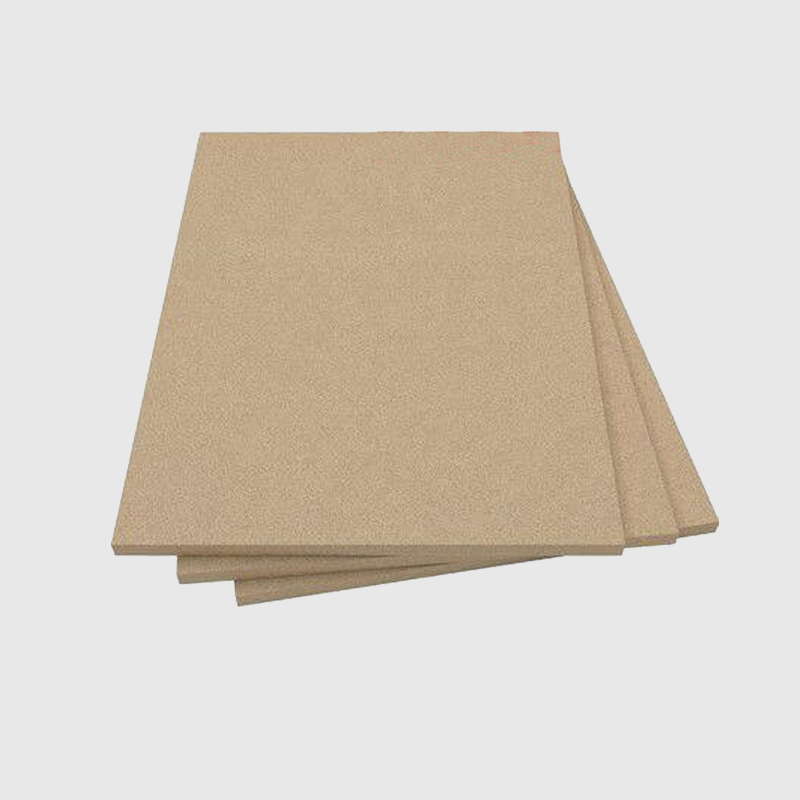
Vermiculite Board in Passive Fire Protection Systems
How vermiculite board enables certified fire-rated assemblies in walls, ceilings, and structural enclosures
Vermiculite board achieves critical fire safety certifications through intrinsic mineral properties. Its cellular structure expands when exposed to heat, forming a stable, insulating char layer that resists flame penetration while preserving structural integrity. This enables architects to specify fire-rated assemblies achieving 60–120 minute ratings across:
- Wall partitions in chemical storage facilities
- Ceiling systems for industrial plants requiring compartmentalization
- Structural steel enclosures protecting load-bearing elements
Its lightweight composition simplifies installation compared to dense alternatives like concrete or calcium silicate, supporting compliance with ASTM E119 and EN 1366-1 without compromising performance.
Fire resistance performance: ASTM E119 ratings, integrity vs. insulation, and real-world industrial validation
ASTM E119 testing confirms vermiculite board’s dual capability—maintaining both integrity (blocking flame and hot gases) and insulation (limiting temperature rise on the unexposed side). Real-world validation reinforces this: facilities using vermiculite-based protection reported 62% faster containment response times during fire incidents in 2023 field assessments.
| Performance Aspect | Metric | Industrial Application Example |
|---|---|---|
| Integrity | Prevents flame/air penetration | Electrical vault sealing in refineries |
| Insulation | Limits temperature rise to ¥140°C | Protection for LNG processing pipes |
| Structural Stability | Maintains load capacity | Structural steel casing in power plants |
With a thermal conductivity of 0.062–0.085 W/mK—roughly three times lower than standard gypsum board—it enables thinner, higher-performing assemblies while meeting stringent fire-rating requirements.
Thermal Performance and High-Temperature Resilience Across Industrial Environments
Sustained thermal insulation at 1,000°C+ in steel mills, foundries, and refractory linings
Vermiculite boards can hold their shape and function even when exposed to temperatures over 1000 degrees Celsius, which makes them really good for places where there's extreme heat. Steel mills often install these boards around structural supports because they block out radiant heat during the continuous casting process. This not only keeps workers safer but also saves energy that would otherwise be lost. Foundry operators put vermiculite in furnace linings too, since it handles the super hot metal pouring without letting much heat escape to surrounding areas. When used properly in kilns, chemical reactors, and other high temperature zones, these boards help avoid unexpected shutdowns and cut down on how often repairs are needed something that matters a lot in industries where equipment failures cost money and time.
Low thermal conductivity (0.14–0.18 W/m·K) and dimensional stability under cyclic heat exposure
The thermal conductivity of vermiculite boards ranges between 0.14 to 0.18 W/m·K, which means they hold heat really well for things like industrial ovens, exhaust duct systems, and various heated production lines. What makes these boards stand out is their ability to keep their shape even after going through multiple heating and cooling cycles. They don't warp, crack, or flake off when subjected to quick temperature changes. This kind of durability matters a lot in places like power plants and chemical processing facilities where temperatures constantly go up and down as part of normal operations. Compared to other materials on the market, vermiculite doesn't break down from all this thermal stress over time. The result? Longer lasting insulation that needs less frequent replacement and maintenance checks, saving both time and money in the long run for facility operators.
Critical Applications Driving vermiculite board Adoption in High-Risk Sectors
Structural fire protection for hazardous material storage, electrical vaults, and process piping
Vermiculite board offers essential protection where things can go very wrong. Chemical storage sites often install it as fire rated barriers around those flammable or toxic liquid tanks, stopping problems from spreading out of control. The electrical vault applications are pretty impressive too. These vaults get real benefits from the material's non conductive properties plus that verified 4 hour fire resistance rating according to ASTM E119 standards. This helps contain those dangerous arc flash incidents we all worry about. When dealing with process piping that carries combustible materials, the cladding stays intact even when temperatures hit over 1000 degrees Celsius and still resists thermal shock something rigid boards just can't handle during emergency shutdown situations. Take one petrochemical plant in the Middle East recently upgraded their safety systems and found installation time cut down by about 40% compared to using traditional cement based solutions.
Lightweight, non-combustible alternative to calcium silicate and fiber-cement boards
Vermiculite boards weigh around 30 to 50 percent less compared to calcium silicate or fiber cement alternatives, which means they put less strain on building structures. This makes them particularly useful when upgrading old buildings or infrastructure that might struggle with heavier materials. The material is rated A1 non combustible according to EN 13501-1 standards, so there's no risk of dangerous fumes coming out during fires like what happens with some composite materials modified with organic substances. When it comes to keeping heat inside pipes and enclosures, vermiculite performs about 60 percent better than fiber cement does, significantly reducing those annoying energy losses. Workers love how easy it is to cut and shape using regular woodworking tools instead of dealing with the messy silica dust that comes from working with denser materials. Because of all these benefits, many engineers prefer vermiculite for projects where weight matters a lot and safety is absolutely critical, think offshore oil rigs or clean rooms in pharmaceutical manufacturing facilities where every detail counts.
Addressing Misconceptions: Safety, Compliance, and Modern Vermiculite Board Standards
People still worry about vermiculite board because many remember the old days when it was mixed with asbestos. But today's commercial versions are actually free of asbestos contamination. They're made from clean, expanded vermiculite held together using safe silicate or cement materials. The manufacturing process meets strict standards like ASTM E136 for non-combustibility and EN 13501-1 regarding fire ratings. Third party tests confirm these boards can resist fire for at least two hours while maintaining their structural integrity and showing minimal toxicity levels. Recent testing by ASTM International in 2023 found absolutely no traces of asbestos in 200 different certified samples they checked randomly. From an environmental standpoint, these boards score well too with over 90 percent recyclability and very low VOC emissions both during storage and when being installed. Anyone specifying building materials would do well to look for products carrying up to date ISO 9001 quality marks and ISO 14001 environmental certifications. These labels indicate manufacturers follow global safety protocols and sustainable practices.
FAQ
Is vermiculite board safe from asbestos contamination?
Yes, modern vermiculite boards are free from asbestos contamination and are made using safe materials that comply with industry standards.
How does vermiculite board compare to other fire-resistant boards?
Vermiculite board offers superior fire resistance and thermal insulation, while being lighter and more manageable compared to calcium silicate or fiber cement boards.
Can vermiculite board be used in high-temperature environments?
Yes, vermiculite boards are suitable for environments with extreme heat due to their high-temperature resilience and stability.
What certifications do vermiculite boards meet?
Vermiculite boards comply with ASTM E119, ASTM E136, EN 13501-1 standards, and often carry ISO 9001 and ISO 14001 certifications.
Table of Contents
- Vermiculite Board in Passive Fire Protection Systems
- Thermal Performance and High-Temperature Resilience Across Industrial Environments
- Critical Applications Driving vermiculite board Adoption in High-Risk Sectors
- Addressing Misconceptions: Safety, Compliance, and Modern Vermiculite Board Standards
- FAQ