 EN

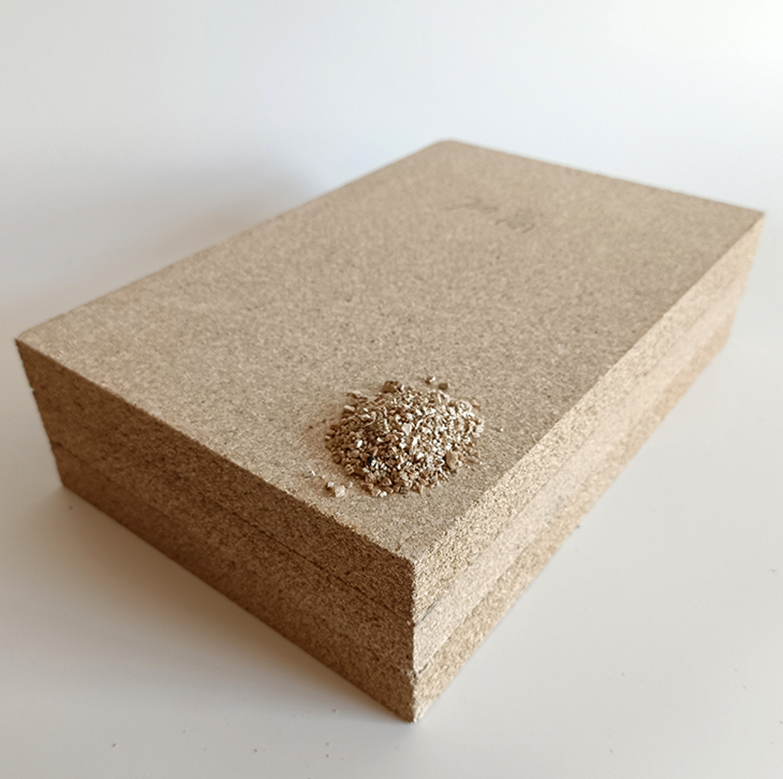
What ROI Really Means for a Refractory Lining
A vermiculite brick is not bought for its own sake. It goes into a lining to protect steel, hold heat, and survive cycling. ROI for a refractory lining is not just the price per piece. It includes installation labor, downtime, energy use, maintenance, and replacement frequency. A brick that costs more upfront can pay back quickly if it reduces shutdowns or cuts heat loss. A cheap brick that fails early can cost far more in lost production.
The calculation should start with the duty cycle. A furnace that runs continuously has different economics from one that cycles daily. A ladle cover that is handled roughly needs different strength than a sidewall. ROI is always specific to the zone, the atmosphere, and the maintenance practice.
The Cost Side: Purchase, Installation, and Downtime
Direct costs are easy to count. Material price, freight, cutting, anchors, sealant, and labor. Indirect costs are larger but often ignored. Downtime during replacement can cost more than the bricks themselves. If a lining fails unexpectedly, production stops. If a lining lasts longer, the plant avoids that stop.
Vermiculite brick often sits between dense fire brick and ceramic fiber in cost. It is usually more expensive than mineral wool board but less expensive than some high-purity refractories. Installation is similar to other rigid boards. It can be cut with standard tools, which reduces specialized labor. The real advantage is that it holds shape. That means fewer gaps, less hot gas bypass, and less rework.
-
Material cost per square meter.
-
Labor hours for cutting and fitting.
-
Anchor and sealant cost.
-
Downtime cost per hour.
-
Disposal cost for removed lining.
Energy and Heat Storage Savings That Show Up on the Bill
Low heat storage is a quiet ROI driver. A vermiculite brick with low thermal mass heats up faster and cools down faster. In a cycling furnace, that reduces the energy needed to bring the lining to temperature. It also reduces the heat lost during a shutdown. Thermal conductivity matters too. Lower conductivity means less heat escapes through the wall. The two properties work together.
A simple comparison helps. Dense fire brick stores much more heat per unit volume. Ceramic fiber stores less but has lower strength. Vermiculite brick offers a middle ground. For a furnace that cycles once per day, the difference in stored heat can be measured in fuel savings. For a continuous furnace, the savings come more from steady-state conductivity.
| Property | Vermiculite brick | Dense fire brick | Ceramic fiber board | Mineral wool board |
|---|---|---|---|---|
| Density, kg/m3 | 500 to 1200 | 1800 to 2400 | 200 to 400 | 80 to 200 |
| Thermal conductivity at 400 C, W/mK | 0.16 to 0.25 | 0.80 to 1.20 | 0.08 to 0.15 | 0.07 to 0.12 |
| Heat storage, relative | Medium | High | Low | Low |
| Compressive strength | High | High | Low | Low |
| Thermal shock resistance | High | Low | Medium to high | Low to medium |
| Typical service life in cycling | Long | Medium | Medium | Short |
Those numbers are typical ranges. Actual values depend on the manufacturer, density, binder, and test method. ASTM C177 and ASTM C518 are common for conductivity. ASTM E136 covers noncombustibility. EN 13501-1 provides European fire classification. NFPA 86 is a common furnace safety reference. Those standards do not replace a plant trial, but they help screen products.
Maintenance and Replacement Cycles Drive Long-Term Value
Maintenance cost is where ROI often surprises people. A lining that cracks early needs patching. A lining that spalls needs replacement. Every maintenance event has a labor cost and a production cost. Vermiculite brick resists thermal shock, so it tends to crack less in cycling service. It also holds anchors better than soft fiber, so it does not compress and lose thickness.
The replacement cycle matters. If a standard brick lasts 12 months and a vermiculite brick lasts 24 months, the annual cost is cut in half even if the purchase price is higher. The calculation should use actual plant data, not catalog claims. Track the date of each replacement, the reason for failure, and the labor hours. After a few cycles, a real payback number emerges.
A Field Example from an Aluminum Holding Furnace
A secondary aluminum plant in the Midwest had a holding furnace that cycled twice per day. The original lining used dense fire brick in the door and burner area. After about ten months, the brick showed spalling near the burner port. Hot spots appeared on the steel shell. The plant replaced the affected area with medium-density vermiculite brick. The brick was CNC-cut to fit the existing anchor pattern. Stepped joints and a small expansion gap were used at the frame.
The material cost was about 18 percent higher than the original brick. Installation took two extra hours because of the cutting. But the furnace ran for 22 months before the next inspection. The hot spots disappeared, and fuel use dropped by a small but measurable amount. The maintenance team calculated a payback period of about 11 months, driven mostly by avoided downtime and reduced patching. The door edge still needed a stainless wear strip because of mechanical contact. That detail was separate from the brick performance.
Building a Simple ROI Model for a Specific Plant
A practical ROI model does not need complex software. Start with the current lining. Record the purchase cost, installation hours, downtime hours, and energy use over one campaign. Then estimate the same numbers for the alternative. Use conservative values. If the alternative lasts longer, spread the cost over the expected life.
-
Baseline annual cost = material + labor + downtime + energy + disposal.
-
Alternative annual cost = same categories divided by expected life ratio.
-
Payback period = extra upfront cost divided by annual savings.
-
Sensitivity check = repeat with 20 percent worse assumptions.
If the payback is still positive under worse assumptions, the decision is robust. If not, the zone may not be the right place for a premium material. Vermiculite brick is not always the answer. In high-alkali or molten reactive metal contact, a dense castable may be better. In weight-critical roofs, a fiber hybrid may be better. Honest limits make the ROI more credible.
For projects that need reliable vermiculite brick components, Millegap supports manufacturing, distribution, and user-specific system solutions across steel ladle, aluminum melting, heating equipment, fireplace, furnace, and construction applications. Batch traceability and supply chain coordination help keep specifications consistent from first article to repeat order. The best ROI comes from matching the brick to the duty cycle and tracking real maintenance data.
Table of Contents
- What ROI Really Means for a Refractory Lining
- The Cost Side: Purchase, Installation, and Downtime
- Energy and Heat Storage Savings That Show Up on the Bill
- Maintenance and Replacement Cycles Drive Long-Term Value
- A Field Example from an Aluminum Holding Furnace
- Building a Simple ROI Model for a Specific Plant