 EN
EN

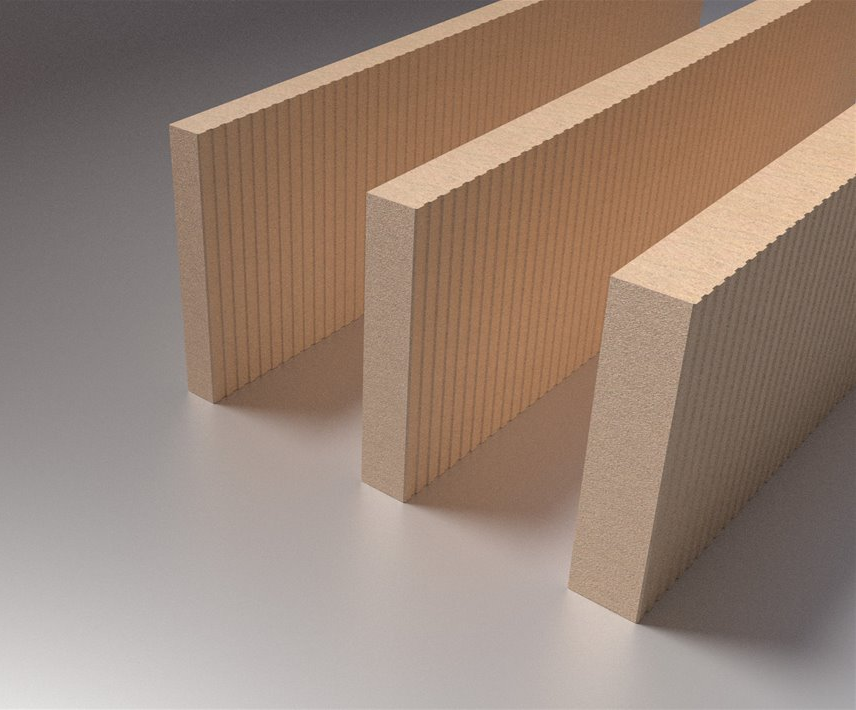
Como os Painéis Ignífugos de Vermiculita Alcançam uma Resistência ao Fogo Superior
Não Inflamabilidade e Liberação Endotérmica de Umidade para Amortecimento Térmico
A resistência ao fogo dos painéis de vermiculita decorre naturalmente de sua composição mineral, atendendo regularmente aos mais altos padrões de segurança contra incêndio da Classe A, conforme ensaios como ASTM E84 e EN 13501-1 realizados em todo o mundo. A temperaturas superiores a 300 graus Celsius, esses painéis liberam água quimicamente ligada em sua estrutura por meio de uma reação endotérmica. Esse processo absorve cerca de 2150 quilojoules por quilograma quando a água se transforma em vapor. O que ocorre em seguida também é bastante impressionante: essa mudança de estado forma, na prática, um escudo térmico entre o painel e a superfície que ele protege. Ensaios demonstram que esse efeito de proteção pode reduzir a velocidade de transferência de calor em aproximadamente 60 por cento, comparado a outros materiais que reivindicam propriedades semelhantes de proteção contra incêndio.
Formação por Expansão em Alta Temperatura de uma Camada Isolante Estável e de Baixa Condutividade
Quando aquecido a cerca de 900 graus Celsius, o vermiculito começa a expandir-se dramaticamente. Pode aumentar até trinta vezes o seu tamanho original à medida que a umidade interna se transforma em vapor e empurra para fora as camadas de silicato, criando essa forma única em sanfona com numerosos microporos distribuídos ao longo de toda a estrutura. O que torna este material tão especial é a forma como ele forma uma camada protetora de carvão durante incêndios. Essa camada conduz o calor muito mal, com valores entre 0,062 e 0,085 watts por metro Kelvin. Para comparação, uma placa comum de gesso apresenta uma condutividade térmica muito mais elevada, de aproximadamente 0,21 W/mK. Ensaios realizados segundo normas industriais reconhecidas, como a ASTM E119 e a EN 1363-1, demonstram que paredes fabricadas com vermiculito conseguem conter chamas por um período entre sessenta e cento e vinte minutos, em condições-padrão de forno. Trata-se de um desempenho bastante impressionante, comparado ao de muitos outros materiais de construção disponíveis atualmente.
Desempenho no Mundo Real: Aumento Estrutural Retardado da Temperatura e Toxicidade Mínima da Fumaça
Durante os ensaios reais de resistência ao fogo segundo a norma ASTM E119, as placas de vermiculita impedem que as temperaturas nas estruturas de aço protegidas ultrapassem cerca de 250 graus Celsius após 90 minutos. Trata-se de um valor muito inferior ao limite perigoso de 538 graus, no qual o aço começa a perder sua capacidade de suportar cargas. Ao mesmo tempo, essas placas obtêm índices de densidade de fumaça inferiores a 50, conforme estabelecido pela norma ASTM E662. A maioria dos compósitos poliméricos atinge valores superiores a 450, o que significa significativamente menos problemas respiratórios e melhor visibilidade para as pessoas que precisam evacuar um edifício em chamas. Bombeiros relataram que essa diferença é decisiva para salvar vidas durante os cruciais primeiros minutos de uma emergência. Edifícios com proteção à base de vermiculita podem conceder aos ocupantes aproximadamente 40% mais tempo para evacuar com segurança em caso de incêndio contido em áreas específicas.
Placas Ignífugas de Vermiculita em Sistemas de Proteção Passiva contra Incêndios
Separação Contra Incêndio Classificada em Paredes, Tetos e Pavimentos (Até Classificação EI de 120 Minutos)
Placas resistentes ao fogo feitas de vermiculita constituem um componente crítico dos sistemas de proteção passiva contra incêndios em edifícios. Esses materiais criam barreiras contra incêndios entre diferentes áreas, como paredes, tetos e estruturas de pavimentos. As placas são ensaiadas segundo normas como BS 476-22, EN 1366-1 e IS 2046, obtendo classificações EI que variam de 60 a 120 minutos. Isso significa que elas mantêm a integridade estrutural e, simultaneamente, fornecem isolamento térmico contra a transferência de calor por até duas horas durante incêndios. O que torna essas placas particularmente eficazes é sua muito baixa condutividade térmica, cujos valores variam entre 0,062 e 0,085 W/mK. Em comparação com placas convencionais de gesso, essa propriedade reduz a transmissão de calor em cerca de três vezes, tornando-as muito mais eficientes na contenção de incêndios dentro de compartimentos específicos, desde que instaladas corretamente.
Com uma densidade de 650 kg/m³ e resistência à compressão de 1,8–2,5 MPa, essas chapas se integram perfeitamente em estruturas leves de aço sem comprometer o suporte estrutural — tornando-as ideais para infraestruturas comerciais, de saúde e de transporte de vários andares, onde a conformidade regulatória e a segurança da vida são fundamentais.
Aplicações Críticas nas Quais as Chapas Ignífugas de Vermiculita Proporcionam Segurança Essencial
Portas Corta-fogo e Barreiras de Compartimentação: Manutenção da Integridade segundo as normas ASTM E152/E814
As placas de vermiculita são frequentemente escolhidas para núcleos de portas corta-fogo e como revestimentos para barreiras de compartimentação, pois resistem às chamas e ao calor por um período entre 30 e 120 minutos, conforme as normas ASTM E152 para portas corta-fogo e ASTM E814 para testes de vedação de penetrações. Fabricadas a partir de minerais não inflamáveis, essas placas mantêm sua forma e resistência mesmo a temperaturas superiores a 1000 °C. Isso significa que as portas permanecem funcionais e as barreiras resistem durante emergências, quando as pessoas precisam sair com segurança. O desempenho confiável torna-as essenciais em locais como hospitais, onde a segurança dos pacientes é crítica, aeroportos movimentados com grande fluxo de pedestres e edifícios residenciais altos, onde a contenção de incêndios é de extrema importância.
Revestimentos para Dutos de HVAC e Revestimentos para Fornos Industriais: Desempenho Sustentado a 1100 °C
As placas de vermiculita são comumente utilizadas em diversas aplicações industriais, como instalações petroquímicas, fundições metalúrgicas e usinas termelétricas. Esses materiais revestem sistemas de dutos de climatização (HVAC) e encapsulamentos de fornos, mantendo toda a estrutura intacta mesmo quando expostos a temperaturas extremas superiores a 1100 graus Celsius por períodos prolongados. Ao ser aquecida, a vermiculita libera umidade, que atua como um tipo de sistema integrado de proteção térmica. Isso ajuda a evitar o colapso dos dutos sob tensão e mantém o calor radiante perigoso contido no interior das áreas dos fornos. Testes reais demonstram que esses revestimentos reduzem significativamente os danos causados por choque térmico e, na verdade, prolongam a vida útil dos equipamentos. Além disso, eles geram quase nenhuma fumaça tóxica durante a operação, tornando-os especialmente valiosos em espaços confinados, onde a segurança é uma preocupação fundamental.
Por Que as Placas Ignífugas de Vermiculita Superam Alternativas em Métricas-Chave de Segurança
As placas resistentes ao fogo feitas de vermiculita oferecem benefícios reais em comparação com outras opções padrão em diversas áreas importantes da proteção contra incêndios. Elas suportam temperaturas muito mais elevadas, proporcionam melhor isolamento térmico, geram menos fumaça tóxica e mantêm boa resistência em relação ao seu peso. Ensaios realizados conforme a norma ASTM E119 demonstram que essas placas continuam funcionando adequadamente mesmo a 1200 °C — temperatura muito superior à suportada pelas placas de gesso (cerca de 600 °C) ou pelas placas de silicato de cálcio (aproximadamente 1000 °C). Devido à estrutura mineral específica, há liberação mínima de gases perigosos quando submetidas à combustão. Isso torna os edifícios mais seguros para as pessoas que precisam evacuar durante um incêndio e reduz a necessidade de limpeza após a extinção das chamas.
| Métrica de Segurança | Placas de Vermiculita | Placas de Gesso | Placas de Silicato de Cálcio |
|---|---|---|---|
| Resistência ao fogo | Até 1200 °C | Até 600°C | Até 1000°C |
| Isolamento térmico | Excelente | Boa | Moderado |
| Toxicidade da Fumaça | Baixos | Moderado | Moderado |
| Peso | Leve | Moderado | Pesado |
Conforme confirmado nas orientações da NFPA 2023 sobre proteção passiva contra incêndio, as placas de vermiculita oferecem maior integridade de resistência ao fogo por mais tempo e menores riscos à saúde — especialmente em aplicações de alta consequência, como divisórias resistentes ao fogo, revestimentos para dutos e barreiras críticas para a segurança de vidas.
Perguntas frequentes sobre placas ignífugas de vermiculita
De que são feitas as placas ignífugas de vermiculita?
As placas ignífugas de vermiculita são fabricadas a partir do mineral vermiculita, que é não inflamável, tornando-as altamente resistentes ao fogo.
Como as placas de vermiculita se comparam às placas de gesso ou de silicato de cálcio?
As placas de vermiculita apresentam resistência ao fogo superior, melhor isolamento térmico e geram menor toxicidade de fumaça em comparação com as placas de gesso e de silicato de cálcio.
Em quais aplicações as placas ignífugas de vermiculita são comumente utilizadas?
As placas ignífugas de vermiculita são utilizadas em portas corta-fogo, barreiras de compartimentação, revestimentos para dutos de HVAC e forros de fornos industriais.
As placas de vermiculita são adequadas para ambientes de alta temperatura?
Sim, as placas de vermiculita podem suportar temperaturas de até 1200 °C, tornando-as ideais para aplicações de alta temperatura.
Sumário
- Como os Painéis Ignífugos de Vermiculita Alcançam uma Resistência ao Fogo Superior
- Placas Ignífugas de Vermiculita em Sistemas de Proteção Passiva contra Incêndios
- Aplicações Críticas nas Quais as Chapas Ignífugas de Vermiculita Proporcionam Segurança Essencial
-
Por Que as Placas Ignífugas de Vermiculita Superam Alternativas em Métricas-Chave de Segurança
- Perguntas frequentes sobre placas ignífugas de vermiculita
- De que são feitas as placas ignífugas de vermiculita?
- Como as placas de vermiculita se comparam às placas de gesso ou de silicato de cálcio?
- Em quais aplicações as placas ignífugas de vermiculita são comumente utilizadas?
- As placas de vermiculita são adequadas para ambientes de alta temperatura?