 EN
EN

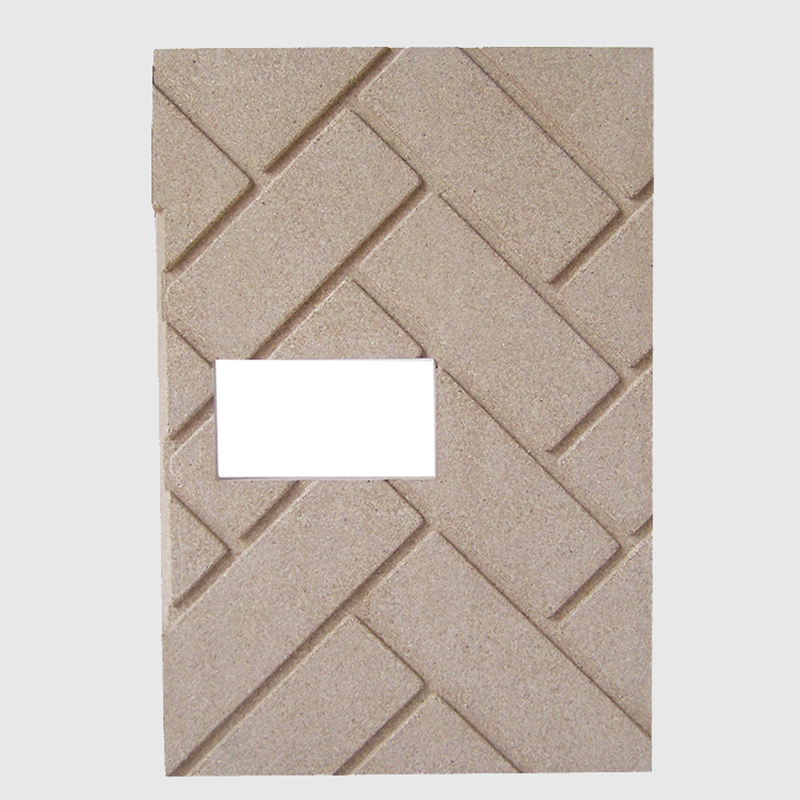
Jinsi ya Kupata Uwezo wa Kuzuia Moto kwa Bodi ya Moto ya Vermiculite
Upanuzi wa Jimbo la Joto na Uundaji wa Ukingo wa Kuzuia Moto chini ya Joto
Uwezo wa kupinga moto wa mbao za moto za vermiculite unategemea sasa muundo wa kipekee wa madini yake. Kupwaka mbao hizi kwa juu ya takriban 300°C husababisha molekuli za maji zilizochukua ndani yake kuwa na upepo haraka. Hii huunda safu ya kujifunika mapema dhidi ya moto. Wakati mmoja, kitu cha kuvutia sana kinatokea – mbao inaanza kuchukua ukubwa wa mara 30 ya ukubwa wake wa awali. Matokeo yake ni gurudumu la kuvutia la kujifunika kilichojengwa kwa nguvu (intumescent char). Char hii inafanya kazi mbili pamoja kama baradi ya kimwili na kama kijifuniko cha joto, ikisimamia kwa nguvu kasi ya uhamisho wa joto wakati inavyohakikisha kwamba vitu vyote vinaendelea kuwa imara kwa kiasi cha muundo. Kulingana na viashiria vya EN 1363-1, mchakato huu wote hutoa ratibu za kujipatia uwezo wa kupinga moto kati ya dakika 60 na 120 hata wakati wa uwepo wa muda mrefu wa joto la 1200°C. Na kwa kuwa vikwazo vya uhamisho wa joto vinavyopatikana kati ya 0.062 na 0.085 W/mK, mbao hizi hutoa ujifuniko unaofaa kwa takriban asilimia 60 kuliko mbao za gypsum za kawaida katika matumizi ya kimapokeo.
| Faza ya Kurejea | Mabadiliko ya Kimwili | Matokeo ya Ulinzi |
|---|---|---|
| 200–300°C | Uvutaji wa maji | Uundaji wa kizuizi cha upepo |
| 300–600°C | Kuenea kwa safu ya madini | Maendeleo ya chafu cha kuzidisha |
| >600°C | Ukuza wa chafu | Hesabu ya uwekaji wa kuvunja kwa ustawi |
Uwezekano wa kuvunja kwa kawaida na mchoro wa uvutio mdogo wa hatari
Bordi ya moto ya vermiculite inapewa daraja la A1 kulingana na viwango vya EN 13501-1, ambavyo kwa msingi wa ujumla linamaanisha kwamba ni kwenye kipindi cha juu cha vitu visivyowaka kwa sababu imeundwa kutoka kwa silikati za asili. Unapowekwa chini ya moto, kitu hiki hakikupata moto kwa kina, wala hakitengenezwa au kuanza kusharibika, bali hukaa na umbo lake hata pale joto liwakilisha kiwango cha juu sana. Lakini jambo muhimu zaidi ni kilichotokea katika uzalishaji wa mafuriko. Vermiculite huzalisha mafuriko madogo sana ikilinganishwa na bidhaa za miti, yaani mafuriko yanayopungua takriban kwa asilimia 10 kwa upana. Pia hakuna gesi mbaya zinazotokana kama vile hydrogen cyanide au monoksidi ya kaboni. Hii inafanya tofauti kubwa kwa watu wanaopanda nje ya jengo lililoogopa moto kwa sababu wanaweza kuona vizuri zaidi na kupumua rahisi zaidi. Nambari zinathibitisha hii pia. Majaribio ya kujitegemea yanaonyesha kuwa kiwango cha sumu ya mafuriko kinapungua takriban kwa asilimia 89 ikilinganishwa na vinyo vya plastiki. Na mapato yake huendelea kuwa ya usawa kwa kuzingatia usawasisho wa pH, kwa hivyo majengo hayaharibiki kwa sababu ya uvunjaji wa muda mrefu.
Matumizi Muhimu ya Bodi ya Moto ya Vermikuliti katika Ulinzi wa Moto wa Kupita Kwa Kujitenga
Bodi ya moto ya vermiculiti ni chombo muhimu cha msingi katika ulinzi wa moto wa kupita kwa kujitenga, kinachowawezesha kugawanya moto, kijivu, na joto kwa ufanisi. Utendaji wake uliothibitishwa katika mazingira ya hatari kubwa hutoa muda muhimu wa kutoroka na kuhakikisha usalama wa mali za miundo.
Milango na Vituko Vilivyopewa Kiwango cha Moto: Utendaji uliothibitishwa kwa kufuata EN 1364-1 na BS 476-22
Inayojumuishwa katika milango na vituko vilivyopewa kiwango cha moto, bodi za vermiculiti zinatoa vinyago vya joto vya kuaminika vilivyopewa kiwango cha dakika 30–120. Viwajibiko hivi vimejaribiwa kwa makini kwa kufuata viwajibiko vya EN 1364-1 na BS 476-22 ili kuhakikisha kuwepo kwa uwezo wa kudumisha moto na utambulisho wa ukamilifu. Faida muhimu zinazojumuisha:
- Uundaji Mwanga , kuhifadhi uendeshaji wa mlango bila kuchangia nguvu yake
- Uhamisho wa joto unaofanya kazi vizuri , kuzuia ongezeko la joto upande wa kulinda
- Utekelezaji wa viwajibiko vingi vya kisasa , ukusaidia kuburutishwa kwa kanuni za kimataifa
Hii inafanya suluhisho zinazotegemea vermiculite ziwe na uhakika wa kuvunja kwa ajili ya matatizo katika mitaa, milango ya kuvunjika, na majengo ya biashara ambapo njia za kuvunjika zilizothibitishwa ni lazima kwa sheria.
Mifupa ya Kupanga Mabuyu, Mifupa ya Kupanga Mifupa ya Upepo, na Mifupa ya Kugawanya Mahali
Bordi ya moto ya vermiculite inafanya kazi nzuri sana katika kufunga njia za moto zilizofichwa—hasa katika mifupa ya kupanga mabuyu, mifupa ya kupanga mifupa ya upepo wa HVAC, na mfumo wa kugawanya mahali. Katika majukumu haya, ina:
- Inapakia chuma cha muundo ili kudumisha uwezo wa kushikilia mzigo wakati wa kuwasili kwa moto
- Inapanga mifupa ya umeme ili kupunguza hatari ya joto kali
- Inajumuisha kwa urahisi pamoja na mfupa ya chuma ya mfupi (LGSF) kwa ajili ya ujenzi wa sehemu mbalimbali
Urahisi wake unaruhusu ufunguzi wa kina kwenye takwimu zisizorahisi bila kuchangia uwezo wa kuzuia moto kwa usawa—ni jambo muhimu kwa vyanzo vya viwanda na maendeleo ya nyumba zenye watumiaji wengi.
Mahitaji ya Utekelezaji Duniani na Uthibitisho wa Bordi ya Moto ya Vermiculite
Uthibitisho wa EN 13501-1 wa Daraja la A1 na Ulinganisho na NFPA 255/285
Bordi ya moto ya vermiculite inakidhi standa ya EN 13501-1 ya daraja la A1, ambayo ni kwa msingi standa ya dhahabu kwa vitu ambavyo hawatawaka. Uthibitisho huu una maana kwamba haikutengeneza mafuta yoyote kwa ajili ya moto, hutoa upepo mdogo sana, na huendelea kuwa imara kwa kina hata pale joto linapopita 1,000 digrii Celsius. Kulingana na mahitaji ya standa, bordi hizi lazima zitolee nishati ya joto chini ya 2.0 MJ/kg na zitengeneze upepo usiozidi 50% wa kuvimba. Tabia za utendaji zinakubaliana vizuri na majaribio ya NFPA 255 kuhusu uwezekano wa kuvuka kwa uso na tathmini za NFPA 285 kuhusu jinsi ya moto kupanua wima, ikifanya iwe rahisi kwa wataalamu wa ubunifu na wajenga kuchagua vitu hivi vya ujenzi katika Amerika Kaskazini na Ulaya. Majaribio ya ulimwengu wa kweli yanaonyesha kwamba majengo yanayotumia bordi za moto ya vermiculite zilizothibitishwa yanaweza kuzuia hali ya flashover kwa dakika 60 zaidi kuliko yale ambayo hawana uthibitisho, pamoja na kupunguza hatari ya moto kupanua kwa karibu nne ya tano. Kwa miradi ya ujenzi inayopita mipaka, kufikiliwa kwa idhini katika nchi zaidi ya 40 pamoja na msaada kamili kutoka kwa sehemu ya IBC 703 inafanya tofauti kubwa katika kupata ruhusa na uthibitisho bila viwango vya kushindwa.
Uthibitisho unahusishwa kwa kutoa tathmini za mtandaoni wa nje, ikiwemo utathmini wa kioo cha ISO 1182 kwa uwezekano wa kuchoma na utathmini wa uvivu wa mavuno kwa kifupi, ukithibitisha kuwa kiasi cha CO kinachotolewa ni chini ya 0.1% katika uwepo wa joto kwa muda mrefu. Kama matokeo, mbao za vermiculite zinazolingana na EN 13501-1 na NFPA zinatumika katika matumizi ya muhimu sana katika milima ya kimataifa, vituo vya data vya daraja la tatu na zaidi, na majengo ya wakazi ya juu.
Kufanya usawa kati ya uingiza wa joto na uimara wa muundo katika uwepo wa moto
Kitu kinachofanya kioo cha vermiculite cha moto kuzingatia ni jinsi yake inavyoangalia mitambo miwili ya kwanza ya ulinzi wa moto wa kushindwa—utambulisho, uburudishaji, na ustawi—wakati wa kuwasilishwa kwa moto. Uundwa wa asili ya kioo hiki usio na kaboni unamaanisha haitaanza kuvunjika au kupasuka hata katika maji ya juu ya 1,000 digrii Celsius, ambayo inawezesha uwezo wa kusimama kwa madhara, vifungo, na vipengele vingine vya muundo wakati wa moto. Pia, safu zilizopanuliwa za silikati zinatumika vizuri sana kudumisha uburudishaji wa joto chini ya digrii 140 kwenye uso ambalo halitafutwa moja kwa moja na moto, kitu kinachokidhi mahitaji ya EN 1363-1 kuhusu utendaji wa uburudishaji. Na hapa pia kuna faida kubwa nyingine ikilinganishwa na vifaa vya uburudishaji vinavyovuta moto kawaida—havitoa mavuno ya hatari au gesi za kuharibu wakati wa kuvuta moto, kwa hiyo watu wanaopakana ndani ya majengo hupata usalama zaidi na mali thabiti zinahifadhiwa kote wakati wa moto wowote.
Maswali Yanayoulizwa Mara kwa Mara
Kioo cha vermiculite cha moto kinatengenezwa kwa nini?
Bordi ya moto ya vermiculite inajengwa kwa silikati za asili, ambazo zinachangia asili yake ya kusimama moto na vipaji vyake bora vya kuzuia moto.
Vermiculite fire board inavyojitokeza kwenye joto?
Unapowekwa chini ya joto, bordi ya moto ya vermiculite husababisha molekuli za maji zilizochukua nafasi kuwa na umeme, kufanya kizuizi cha upepo, na kukuwa kubwa ili kufanya char ya intumescent, ikutoa uburudishaji wa kimwili na cha joto dhidi ya moto.
Vermiculite fire board hutumika katika vitu gani?
Bordi ya moto ya vermiculite ni muhimu katika ulinzi wa moto wa kisiasa kwa milango na ukuta wenye utambulisho wa kuzuia moto, mapambo ya mabawa ya moto, mifupa ya HVAC, na mfumo wa kugawanya muundo.
Bordi za moto za vermiculite zina uhakika gani?
Bordi za moto za vermiculite zinakidhi viwajibiko vya EN 13501-1 daraja la A1 na zinakubaliana na NFPA 255/285, kwa hivyo zinaweza kutumika kwa ustawi wa kimataifa na hasa katika matumizi ya muhimu sana kama vile ndege na vituo vya data.
Orodha ya Maudhui
- Jinsi ya Kupata Uwezo wa Kuzuia Moto kwa Bodi ya Moto ya Vermiculite
- Matumizi Muhimu ya Bodi ya Moto ya Vermikuliti katika Ulinzi wa Moto wa Kupita Kwa Kujitenga
- Mahitaji ya Utekelezaji Duniani na Uthibitisho wa Bordi ya Moto ya Vermiculite
- Kufanya usawa kati ya uingiza wa joto na uimara wa muundo katika uwepo wa moto