 EN
EN

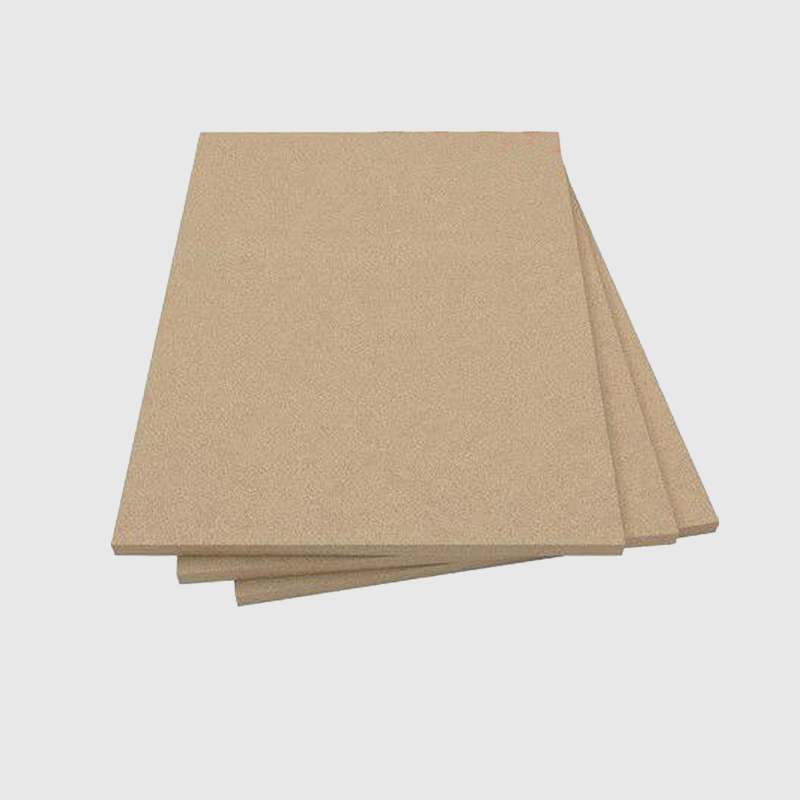
لیڈل عزلت ورمی کولائٹ بورڈ کا مواد سائنس
پھیلی ہوئی ورمی کولائٹ کی تہ دار سلیکیٹ ساخت اور اس کی ذاتی حرارتی استحکام 1200°C تک
لیڈل کی عزلت کے لیے ورمیکولائٹ بورڈ کی حرارت کے مقابلے میں اتنی بہترین کارکردگی کا راز اس کی مائیکرو سکوپک ساخت میں پوشیدہ ہے۔ خام مادہ درحقیقت حرارت کے معرضِ تعرض میں آنے پر پھیل جاتا ہے، جس کے نتیجے میں چھوٹے چھوٹے ہوا کے جیب والی بیلوزن کی طرح کی تہیں تشکیل پاتی ہیں۔ اس سے ایک سلیکیٹ میٹرکس کی شکل بنتی ہے جس میں اندر کی طرف بہت ساری عزلت فراہم کرنے والی گیس قید ہوتی ہے۔ دیگر زیادہ تر مواد تو بہت کم درجہ حرارت پر ہی ٹوٹنا شروع ہو جاتے ہیں، لیکن یہ بورڈز 1200° سیلسیئس کے انتہائی بلند درجہ حرارت تک بھی اپنی صحت مند حالت برقرار رکھتے ہیں۔ ان کی قابلِ ذکر کارکردگی کی وجہ ان کی کم حرارتی موصلیت (تھرمل کنڈکٹیویٹی) کی اقدار ہیں، جو 600° سیلسیئس پر تقریباً 0.08 سے 0.12 ویٹ/میٹر·کیلْوین کے درمیان ہوتی ہیں۔ بنیادی طور پر، حرارت ان بورڈز کے ذریعے بنیادی طور پر ٹھوس حصوں کے درمیان ہی گزرتی ہے، نہ کہ ہوا کے بہاؤ کے ذریعے منتقل ہوتی ہے۔ حقیقی دنیا کے تجربات سے ثابت ہوا ہے کہ ورمیکولائٹ بورڈز کے استعمال سے بجلی کے بھٹوں میں روایتی کیلشیم سلیکیٹ کے اختیارات کے مقابلے میں لیڈل کے شیل کے درجہ حرارت میں تقریباً 32 فیصد کمی آ جاتی ہے۔
حرارتی تخریب کا راستہ: بین الطریقہ پانی کا نقص، غیر آبی ہائیڈروکسیلیشن کی کائینٹکس، اور آگ کی صورتحال میں باقی رہنے والی بلوریت
شدید حرارتی دباؤ کے تحت، ورمی کولائٹ ایک کھوئے ہوئے ڈھانچے کے بغیر کنٹرول شدہ مرحلہ وار تبدیلیوں سے گزرتا ہے۔ تخریب کا تسلسل تین اہم مراحل پر مشتمل ہوتا ہے:
- بین الطریقہ پانی کا اخراج (100–300°C): منسلک نمی بغير ساختگی کے گر جاتی ہے
- غیر آبی ہائیڈروکسیلیشن (800–1000 °C): ہائیڈروکسیل گروپس آہستہ آہستہ الگ ہو جاتے ہیں، سکڑنے کو کم کرتے ہیں۔
- بلوری دوبارہ تنظیم (1100°C سے زائد): این اسٹیٹائٹ اور کرسٹوبالائٹ کے مرحلے کی تشکیل جسامتی استحکام کو برقرار رکھتی ہے
یہ قابل پیش گوئی تبدیلی ورمی کولائٹ کے بورڈز کو 1150°C پر 4 گھنٹے تک کی قرارداد کے بعد بھی 85% سے زائد بلوریت برقرار رکھنے کی اجازت دیتی ہے— جو غیر بلوری عزل کے برعکس ہے جو شیشہ جیسی حالت میں تبدیل ہو جاتی ہے یا چھلکنے لگتی ہے۔ طبقاتی تخریب کے مصنوعات کی وجہ سے بننے والی کائینٹک رکاوٹ لیڈل ریفریکٹری نظاموں میں حرارت کے داخل ہونے کو مزید سست کر دیتی ہے۔
لیڈل عزل ورمی کولائٹ بورڈ کی حرارتی رکاوٹ کارکردگی
بہت کم حرارتی موصلیت (0.08–0.12 ویٹر/میٹر·کے) جو پھولے ہوئے مائیکرو سٹرکچر میں قیدِ ہوا کی وجہ سے حاصل ہوتی ہے
ورمیکولائٹ کے پھلنے کا طریقہ اس کی سلیکیٹ لیئرز کے درمیان چھوٹی چھوٹی ہوا کی جگہیں تخلیق کرتا ہے، جس کی وجہ سے اس کی حرارتی موصلیت بہت کم رہتی ہے—تقریباً 0.08 سے 0.12 ویٹر/میٹر·کے تک—چاہے اسے 600 درجہ سیلسیس تک گرم کیا جائے۔ دوسرے زیادہ تر فائبر پر مبنی مواد بار بار گرم اور ٹھنڈا ہونے کے عمل کے بعد ٹوٹ جاتے ہیں یا مفلوج ہو جاتے ہیں، لیکن ورمیکولائٹ مضبوط اور مکمل طور پر باقی رہتا ہے۔ اس کی وجہ کیا ہے؟ دراصل، یہ سب اس بات پر منحصر ہے کہ قدرت نے یہ مادہ کیسے بنایا ہے۔ یہ معدنیات قدرتی طور پر ایک بلوری ساخت رکھتی ہے جو ان تمام مصنوعی مواد سے بہتر کام کرتی ہے جن میں کیمیائی اضافیات اور بانڈرز کا مرکب شامل ہوتا ہے۔ اسی لیے بہت سے صنعتی شعبے ورمیکولائٹ کو اُن عزلی درخواستوں کے لیے ترجیح دیتے ہیں جہاں وقت کے ساتھ ساتھ کارکردگی برقرار رکھنا نہایت اہم ہوتا ہے۔
میدانی تصدیق شدہ کارکردگی: EAF سٹیل سازی میں کیلشیم سلیکیٹ بورڈز کے مقابلے میں لیڈل شیل کا درجہ حرارت 32% کم
برقی آرک فرنیس (EAF) کے ذریعہ سٹیل کی پیداوار میں، ورمیکولائٹ سے عایق لیڈلز مسلسل کیلشیم سلیکیٹ بورڈز کے مقابلے میں 32% کم شیل درجہ حرارت کا مظاہرہ کرتی ہیں۔ اس کا مطلب ہے کہ عملی بہتریاں حاصل ہوتی ہیں:
- شیل اور ریفریکٹری اجزاء پر حرارتی تناؤ کے کم ہونے کی وجہ سے لیڈل کی خدمات کی عمر میں اضافہ
- ہر ڈالنے کے درمیان پیش گرمی کی توانائی کی ضرورت 15–18% کم
- حرارتی غیر معمولی اضافے (تھرمل رن اے وے) کا آغاز مؤخر ہونا—جو کیلشیم سلیکیٹ نظاموں کے مقابلے میں 500–1100 سیکنڈ بعد ہوتا ہے
یہ فائدے ورمیکولائٹ کے نچلے سکڑنے اور برقرار رکھی گئی بلوری ساخت کی بدولت 1100°C پر 50 سے زیادہ حرارتی سائیکلوں تک برقرار رہتے ہیں۔
لیڈل ریفریکٹری سسٹمز میں اندراج اور سازگاری
متعدد زون لیڈل ڈیزائنز میں MgO-پر مبنی کام کرنے والی لائننگز اور الومینا-سلیکا کاسٹ ایبلز کے ساتھ بے دردی سے طبقہ بندی
برتن کی عزلت کے لیے ورمیکولائٹ بورڈز پیچیدہ ریفریکٹری سسٹمز میں بہت اچھی طرح کام کرتے ہیں کیونکہ یہ دباؤ کے باوجود اپنے اصل ابعاد برقرار رکھتے ہیں۔ تقریباً 1000 درجہ سینٹی گریڈ کے درجہ حرارت پر، یہ بورڈز 1.5 میگا پاسکل سے زیادہ دباؤ کو برداشت کر سکتے ہیں جو کہ اس قسم کے مواد کے لیے کافی قابلِ ذکر ہے۔ ان متعدد زون والے برتنوں میں نصب کرنے پر، یہ بورڈز میگنیشیم آکسائیڈ پر مبنی لائننگ کے ساتھ حرارتی بانڈ تشکیل دیتے ہیں کیونکہ ان کی پھیلنے کی شرح انتہائی مناسب ہوتی ہے۔ اس سے فولاد کے ڈالنے کے عمل کے دوران عام طور پر بننے والی چھوٹی چھوٹی دراریں روکنے میں مدد ملتی ہے۔ ان بورڈز میں موجود سلیکیٹ میٹرکس کا کوئی خاص ردِ عمل نہیں ہوتا، اس لیے یہ الومینا-سلیکا کاسٹ ایبلز کے ساتھ بھی اچھی طرح چپک جاتا ہے۔ اس کا مطلب ہے کہ مختلف مواد کے درمیان منتقلی کے نقاط پر کوئی پریشان کن حرارتی دراریاں ظاہر نہیں ہوتیں۔ ہم نے فیلڈ ٹیسٹ دیکھے ہیں جہاں اس سازگاری کی وجہ سے پرانے فائبر بورڈز کے مقابلے میں جوڑوں کی تحلیل تقریباً 27 فیصد تک کم ہو گئی ہے۔ اس کے علاوہ، ماڈیولر ڈیزائن ان گھمائو دار برتنوں کے احاطے میں بہت اچھی طرح کام کرتا ہے جبکہ عزلت کی موٹائی کو مسلسل 20 سے 30 ملی میٹر کے درمیان برقرار رکھا جاتا ہے، بغیر کل ساخت کی مضبوطی کو کمزور کیے۔
اونچے درجہ حرارت کی صنعتوں میں بڑی مقدار میں گرم دھات کو رکھنے والے برتن (لیڈل) کے لیے ورمیکولائٹ بورڈ کے عزل کا موازنہی فائدہ
ورمی کولائٹ بورڈز جو لیڈل کے عزل کے لیے استعمال ہوتے ہیں، سٹیل سازی، شیشے کی پیداوار اور پیٹرو کیمیکل پلانٹس میں قابلِ ذکر حرارتی حفاظت فراہم کرتے ہیں۔ یہ عام عزل کرنے والے مواد نہیں ہیں—بلکہ یہ خاص طور پر ڈیزائن کردہ اجزاء ہیں جن کا حقیقی دنیا کے حالات میں، جہاں درجہ حرارت انتہائی زیادہ ہو سکتا ہے، تجربہ کیا گیا ہے۔ یہ مواد مسلسل 1200 ڈگری سینٹی گریڈ سے زیادہ درجہ حرارت کے معرضِ تعرض میں آنے پر بھی برقرار رہتا ہے اور شدید حرارت کے طویل دورانیے کے بعد بھی اس کی اصل بلوری ساخت کا تقریباً 85 فیصد حصہ برقرار رکھتا ہے۔ یہ وہ صلاحیت ہے جو کیلشیم سلیکیٹ یا معدنی اون کے بورڈز میں بالکل موجود نہیں ہے۔ تقریباً 600 ڈگری سینٹی گریڈ کے درجہ حرارت پر ان بورڈز کی حرارتی موصلیت کی درجہ بندی 0.08 سے 0.12 ویٹ/میٹر کے درمیان ہے، جس کی وجہ سے یہ روایتی اختیارات کے مقابلے میں حرارت کے نقصان کو تقریباً 32 فیصد تک کم کر دیتے ہیں۔ اس کا مطلب ہے کہ کم توانائی ضائع ہوتی ہے اور سامان کی عمر بھی طویل ہوتی ہے۔ ورمی کولائٹ کو مزید خاص بنانے والی بات اس کی پانی کی نفوذ کے خلاف مزاحمت اور اچانک درجہ حرارت کی تبدیلیوں کی وجہ سے دراڑوں سے روکنے کی صلاحیت ہے، جو آج کل بازار میں دستیاب اکثر مصنوعی مواد سے بہتر ہے۔ اسی وجہ سے درجہ اول کے سٹیل ساز ادارے اپنی اہم لیڈل بیک اپ عزل کی ضروریات کے لیے مسلسل ورمی کولائٹ بورڈز کو مخصوص کرتے ہیں۔
فیک کی بات
ورمی کولائٹ لیڈلز میں کس مقصد کے لیے استعمال ہوتا ہے؟
ورمی کولائٹ کو لیڈلز میں عزل کے مقاصد کے لیے استعمال کیا جاتا ہے، جو اس کی کم حرارتی موصلیت اور بلند درجہ حرارت برداشت کرنے کی صلاحیت کی بنا پر بہترین حرارتی حفاظت فراہم کرتا ہے۔
ورمی کولائٹ بلند درجہ حرارت پر اپنی ساخت کو کیسے برقرار رکھتا ہے؟
ورمی کولائٹ اپنی ساخت کو کنٹرول شدہ مرحلہ تبدیلیوں اور بلوری دوبارہ تنظیم کے ذریعے برقرار رکھتا ہے، جو اسے انتہائی گرمی کے تحت بھی بلوریت اور ابعادی استحکام برقرار رکھنے کی اجازت دیتا ہے۔
کون سے صنعتیں ورمی کولائٹ بورڈز کے استعمال سے فائدہ اٹھا سکتی ہیں؟
سٹیل سازی، شیشے کی پیداوار اور پیٹرو کیمیکل پلانٹس جیسی صنعتیں ورمی کولائٹ بورڈز کے استعمال سے فائدہ اٹھا سکتی ہیں، کیونکہ یہ ان کی عمدہ حرارتی عزل کی خصوصیات اور پائیداری کی بنا پر مناسب ہیں۔
ورمی کولائٹ کو روایتی عزل کے مواد پر کیوں ترجیح دی جاتی ہے؟
ورمی کولائٹ کو ترجیح دی جاتی ہے کیونکہ یہ روایتی مواد جیسے کیلشیم سلیکیٹ یا معدنی اون کے مقابلے میں زیادہ مؤثر حرارتی عزل فراہم کرتا ہے، حرارتی نقصانات کو کم کرتا ہے، اور پانی کی نفوذیت اور حرارتی تناؤ کے خلاف بہتر مزاحمت فراہم کرتا ہے۔