 EN

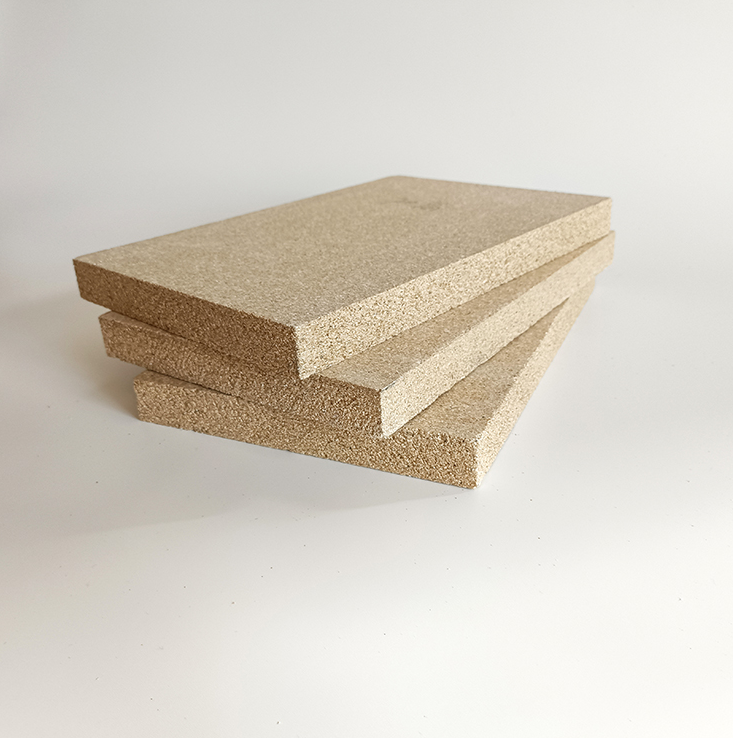
Define the Export Spec Before Comparing Suppliers
Selecting an exporter vermiculite board source is less about finding the lowest quote and more about matching a written specification to evidence. A buyer who starts with price will compare apples to oranges. A buyer who starts with a spec can ask every supplier the same questions. The spec should state density range, thickness tolerance, maximum service temperature, binder type if known, flatness, edge squareness, moisture content at packing, and packaging method. It should also state the application duty cycle, because a board for a furnace door and a board for a passive fire detail do not face the same thermal stress. One useful rule: if an exporter cannot quote against a numbered spec sheet, the commercial comparison will be noisy. The same discipline applies to samples. A sample without a batch record is a demo, not a reference.
Test Reports and Standards That Actually Matter
Fire safety claims need traceable test methods. Noncombustibility is commonly checked under ASTM E136 or ISO 1182. Reaction to fire classification may follow EN 13501-1. Thermal conductivity is often measured under ASTM C177 or ISO 8302, and the report should state the mean test temperature. A certificate with no test temperature is hard to use in design. Ask for the full report, not just a logo page. Check whether the report covers the board density and thickness being quoted. A report for a 600 kg/m3 board does not automatically cover a 900 kg/m3 board. For cyclic equipment, request thermal cycling data or field references on similar door, lid, or backup lining details. Independent lab reports carry more weight than in-house sheets, though in-house data can still be useful when the method is named. The point is not to collect paper. The point is to compare the same property at the same test condition.
Batch Consistency, Tolerances, and Moisture Control
A good sample can hide a weak production lot. During a 2023 furnace door retrofit at a chemical plant in southern China, the sample batch cut cleanly and fit the frame. The production lot arrived with thickness variation and damp edges after a long sea freight. Installation crews had to re-cut panels, and the first heat-up needed a slower dry-out schedule to avoid steam spalling. The board chemistry was not the main issue. Batch control and packaging were. Buyers should ask for thickness, density, and moisture records per batch, not just a generic datasheet. Custom dimensions help only when the tolerance is stated and measured. A tight nominal size with no inspection record is a promise, not a control. Moisture control matters because vermiculite boards can pick up water in storage and transit. Desiccant, stretch wrap, and edge protection are cheap compared with a failed first heat-up.
| Criterion | Evidence to request | Warning sign |
|---|---|---|
| Density and thickness control | Batch inspection records with measured values | Only nominal values on a brochure |
| Fire test | Full ASTM E136 or ISO 1182 report with lab name | Certificate image with no test details |
| Thermal data | ASTM C177 or ISO 8302 report with mean temperature | Single conductivity number with no temperature |
| Moisture at packing | Measured moisture and dry packing method | No mention of moisture or packaging |
| Dimension tolerance | Measured length, width, thickness, squareness | "Custom size" with no tolerance range |
| Export documents | HS code, origin, packing list, ISPM 15 mark if wood | Vague answers on shipping paperwork |
Packaging, Documents, and Logistics Discipline
Export paperwork is part of product quality. A shipment that arrives with the wrong HS code, missing certificate of origin, or unmarked wood packaging can sit at port while the installation schedule slips. Ask the exporter vermiculite board supplier to confirm the HS code, origin, packing list, commercial invoice, bill of lading instructions, and wood packaging treatment under ISPM 15 where applicable. For moisture sensitive boards, ask for inner wrapping, edge boards, and container loading photos. A simple checklist helps:
-
Confirm Incoterms and named place.
-
Confirm pallet dimensions and container load plan.
-
Confirm labels, batch numbers, and packing list match.
-
Confirm pre-shipment photos and moisture protection.
These items are not glamorous. They are where many first shipments fail.
Factory Evidence and Communication Speed
A factory audit or video walk-through should show mixing, forming, curing, cutting, and inspection. Look for calibrated thickness gauges, a moisture meter, and a batch traceability system. Communication speed is a real criterion. An exporter that answers technical questions in one day during pre-sales but disappears after the deposit is a risk. Ask for a named technical contact and a written response on tolerance and test methods. Small trading firms can be flexible, but they may not control batch consistency. Large factories can control consistency, but may have higher minimum order quantities. Neither model is automatically better. The fit depends on project size and how much evidence the buyer needs.
Commercial Terms and Risk Allocation
Price should be compared on the same Incoterms, packaging, and tolerance. A low unit price with loose thickness tolerance can cost more in cutting and rework. Payment terms, lead time, and change order rules should be in writing. Ask what happens if a batch fails the agreed inspection. A clear inspection clause is more useful than a friendly promise. Limitations should be stated honestly. Vermiculite boards are not the right answer for every hot face, and an exporter that claims universal performance is not helping. The better partner explains where the board fits and where another material should be used. Bluewind supports custom dimensions, batch consistency, and supply planning for insulation and fire protection vermiculite products, which helps buyers compare evidence instead of slogans.