 EN
EN

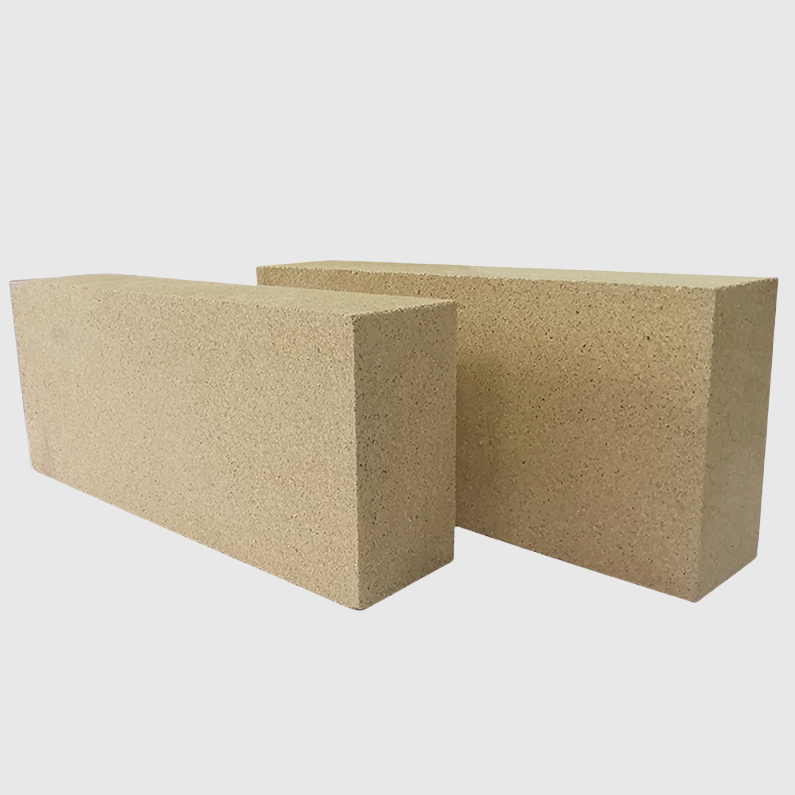
Core Thermal Properties of Insulation Brick
Thermal Conductivity and Its Direct Impact on Heat Loss Reduction
Energy efficiency in insulation bricks comes mainly from their really low thermal conductivity rates around 0.2 to 0.4 W/m·K. This means they cut down heat transfer by roughly 40 to 60 percent when compared with regular refractory materials. What happens is these bricks form a solid thermal barrier that stops so much energy from escaping in those big industrial furnaces that run hotter than 1,000 degrees Celsius. Take a real world case study from a steel manufacturing facility somewhere in Europe which saw its fuel bills drop by about 27% after switching to these special bricks over the course of twelve months. The science behind it isn't complicated at all. When conductivity drops, heat doesn't move as fast through those thick furnace walls, so we end up saving energy. Research shows that cutting conductivity by just 0.1 W/m·K can save manufacturers around 8% on running costs for their continuous kiln operations. These findings come from several studies done by ceramic experts published in reputable journals like those from the American Ceramic Society.
Pore Structure and Material Composition: Engineering Low-Conductivity Insulation Brick
What makes insulation bricks work so well comes down to how they're built inside. These bricks have lots of tiny holes running through them, usually between 45% and 70% porous space. Manufacturers mix in special stuff like alumina silicate compounds during production to get this effect. When making these bricks, they actually put in things that form little air bubbles throughout the material. Air doesn't conduct heat very well at all (about 0.024 W/mK) so these air pockets stop heat from moving through the brick either by conduction or convection. Regular firebricks are totally different though. They're packed solid with densities above 2 grams per cubic centimeter, which makes them strong but not good for keeping heat out.
| Property | Insulation Brick Advantage | Thermal Impact |
|---|---|---|
| Porosity | 45–70% (vs. <20% in firebricks) | Traps insulating air pockets |
| Density | 0.6–1.0 g/cm³ | Reduces conductive mass |
| Composition | Alumina-silicate microspheres | Limits radiant heat transfer |
Recent advances optimize pore distribution uniformity, achieving conductivity below 0.3 W/m·K without compromising structural integrity at extreme temperatures. This scientific approach transforms insulation bricks from passive materials into active energy-saving systems for industrial thermal management.
Quantifiable Energy Efficiency Gains from Insulation Brick Deployment
Fuel Savings and Operational Cost Reduction in High-Temperature Furnaces
Insulation bricks cut down on industrial energy bills simply because they stop so much heat from escaping through those furnace walls. The thermal conductivity is really low these days around 0.2 to 0.4 W/m K which means factories actually burn 15 to maybe even 30 percent less fuel when running continuously. Take a ceramic kiln working at about 1300 degrees Celsius for example. Switching to those high porosity bricks could save well over seven hundred forty thousand dollars each year according to some research published last year by the Ponemon Institute on industrial energy efficiency. There are basically two reasons why this works so well. First off, there's just not as much energy needed to keep things hot enough. And second, furnaces tend to last longer since the temperature changes aren't quite so extreme anymore. Most plants find themselves getting their money back pretty quickly too usually within eighteen months once they start using less natural gas or electricity overall.
Carbon Footprint Mitigation Through Reduced Heat Loss in Continuous-Operation Systems
Insulation bricks help cut down on heat loss, which means they also reduce CO2 emissions when used in processes that rely on fossil fuels. For every 10% drop in energy needed, there's basically the same amount of carbon saved too. That matters a lot for industries where carbon is everything, think steel mills or glass factories. Looking at numbers from the International Energy Agency in 2023, we see real results. Factories that upgraded their furnaces with better insulation saw around 12 to 18 metric tons less pollution each year per furnace unit. Pretty good for meeting those worldwide goals to cut carbon without slowing down production. What makes these bricks work so well? Their special internal structure creates tiny pockets that hold onto heat much better than regular firebricks do. Some tests show they trap heat three to five times longer, making them a smart choice for companies trying to green up their operations.
Real-World Performance: Clay-Based Insulation Brick in Industrial Retrofits
Case Study: Steel Reheating Furnace Retrofit with Lightweight Clay Insulation Brick
A steel manufacturing facility upgraded its reheating furnace system by installing lightweight clay insulation bricks instead of the standard refractory materials. After making these changes, they noticed that the outside temperature of the furnace dropped about 15%, which means less heat was escaping into the surrounding environment. The savings were pretty substantial too, around 12 to maybe even 18 percent on yearly fuel costs, translating to roughly $85k saved for each furnace without compromising the ability to maintain operating temps well over 1200 degrees Celsius. What makes this upgrade particularly effective is that these new bricks conduct heat very poorly (about 0.25 W/m K or less), so there's minimal transfer of heat through structural connections. This property alone helped extend the life of the refractory lining materials by approximately 30%. And let's not forget the environmental impact either. Carbon output decreased significantly, cutting down nearly 190 tons annually per furnace. These kinds of improvements show just how important material choices can be when trying to reduce carbon footprints across heavy industries.
Selecting and Specifying the Right Insulation Brick for Maximum Efficiency
When selecting the right insulation brick for industrial applications, there are several key considerations that need attention to get the best results from both energy efficiency standpoint and cost effectiveness. The first thing to look at is thermal conductivity ratings. Bricks with values around or below 0.3 W/mK work much better than regular refractory options, cutting down heat losses anywhere between 30% to almost half. Next up comes matching the temperature specs. Make sure the bricks can handle what the furnace throws at them without going too overboard on specs since that just burns through money unnecessarily. Mechanical strength matters too. Porous bricks do great job insulating but need extra protection where things get rough, especially in areas like steel reheating furnaces where wear happens fast. Material choice is another big one. Silicate based products generally work well up to about 1200 degrees Celsius, whereas those made with higher alumina content can take the heat past 1600C mark. Getting all these details right makes a real difference. Plants using properly selected insulation bricks often see fuel savings in the range of 15-25%, plus significant reductions in carbon dioxide output, sometimes as much as 20 to 40 tons per year depending on operation size. These improvements show why taking time to pick the right bricks pays off in both wallet and environmental impact.
Frequently Asked Questions (FAQ)
What is the thermal conductivity of insulation bricks?
Insulation bricks typically have a thermal conductivity ranging from 0.2 to 0.4 W/m·K, which is significantly lower than regular refractory materials.
How do insulation bricks reduce energy bills in industrial applications?
Insulation bricks form a thermal barrier that prevents heat loss, enabling factories to use less energy and reducing fuel consumption by 15 to 30 percent in continuous operations.
Why are insulation bricks beneficial for carbon footprint reduction?
By reducing heat loss and energy consumption, insulation bricks help lower CO2 emissions, significantly contributing to carbon footprint reduction in industries reliant on fossil fuels.
What makes insulation bricks suitable for high-temperature applications?
Insulation bricks are engineered with materials like alumina-silicate compounds and have a porous structure that can withstand high temperatures, making them ideal for furnaces operating above 1200 degrees Celsius.
Table of Contents
- Core Thermal Properties of Insulation Brick
- Quantifiable Energy Efficiency Gains from Insulation Brick Deployment
- Real-World Performance: Clay-Based Insulation Brick in Industrial Retrofits
-
Selecting and Specifying the Right Insulation Brick for Maximum Efficiency
- Frequently Asked Questions (FAQ)
- What is the thermal conductivity of insulation bricks?
- How do insulation bricks reduce energy bills in industrial applications?
- Why are insulation bricks beneficial for carbon footprint reduction?
- What makes insulation bricks suitable for high-temperature applications?