 EN
EN

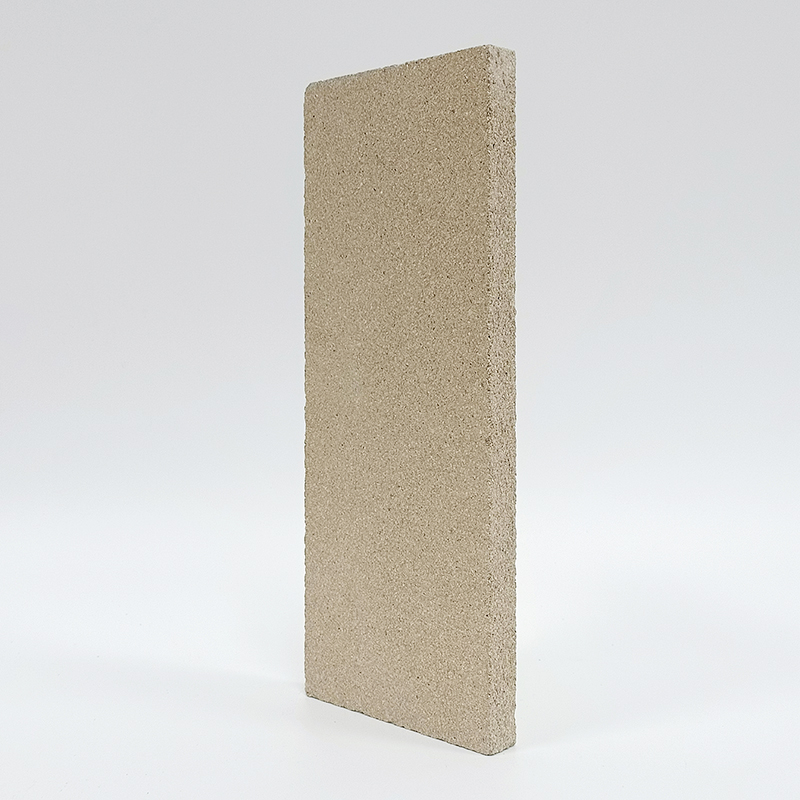
Ladle Board Composition and Core Fireproofing Mechanisms
Calcium Silicate Matrix and Nano-Microporous Architecture Enable Non-Combustibility (ASTM E136)
The fire resistance of ladle boards comes down to their special core made of inorganic calcium silicate, which creates a unique nano-microporous structure. What makes this work so well is how those tiny pores below 100 nanometers actually trap air inside, stopping heat from moving through convection and breaking up potential fire paths. According to ASTM E136 standards for testing if materials catch fire, these boards get classified as non-combustible. That's a big deal because most organic insulation would melt or burn at high temps. Calcium silicate stays solid even when exposed to temperatures over 1000 degrees Celsius without giving off any dangerous fumes or smoke. Real world testing backs this up too: they show absolutely no spread of flames during vertical burn tests, will put themselves out within just three seconds after removing the flame source, and produce practically no smoke that could be harmful to breathe.
Ultra-Low Thermal Conductivity (<0.045 W/m·K at 600°C) Delays Heat Transfer to Ladle Shell
Thermal management is central to ladle board performance. With thermal conductivity below 0.045 W/m·K at 600°C—the typical peak operational temperature during tapping—the boards establish a robust thermal barrier. This ultra-low conductivity arises from three synergistic mechanisms:
- Conduction resistance, where silicate particle boundaries impede phonon transmission;
- Convection suppression, enabled by micro-pores too small to support gas-phase movement; and
- Radiation reflection, enhanced by the material’s high-albedo white mineral surface.
As a result, ladle shell temperature rise is delayed by 72–120 minutes compared to conventional backup insulations. Each 25 mm of board thickness reduces shell temperature by 160–200°C during tapping—preventing warping, preserving refractory lining integrity, and extending overall ladle service life.
Performance Validation: Ladle Board vs. Conventional Backup Insulation
Fire Resistance Rating: ASTM E119 Testing Shows >180-Minute Integrity Retention
Fire tests following ASTM E119 standards show that these ladle boards hold up structurally for well over 180 minutes even when exposed to temperatures above 1200 degrees Celsius. That's about three times better than standard ceramic fiber blankets, which tend to give way within just 60 minutes under similar conditions. What makes this possible? The secret lies in their calcium silicate base combined with a unique nano-microporous structure. This construction stands firm against decomposition, melting, or shrinking during prolonged heat exposure. For steelmakers dealing with intense thermal challenges, this means real world protection against dangerous shell overheating situations that could lead to major production losses or safety incidents.
Thermal Stability: <1.2% Hot-Face Shrinkage After 24h at 1200°C Ensures Long-Term Lining Integrity
Ladle boards maintain remarkable dimensional stability even under extreme conditions. When exposed to temperatures around 1200 degrees Celsius for 24 hours, these boards show hot face shrinkage below 1.2%. Such minimal expansion means no gaps form between different refractory layers, which is actually one of the main problems causing heat loss and early failures in steel ladles. What makes these boards stand out is their ability to keep thermal conductivity extremely low at just under 0.045 W per meter Kelvin throughout this temperature range. This results in about 42% slower heat transfer to the outer shell compared to regular insulation materials. Put simply, this translates into extended service life for refractory systems, fewer required inspections and maintenance stops, and better overall thermal performance across operations.
Real-World Impact: Ladle Board Integration Improves System Safety and Operational Efficiency
Case Study: 32-Ton Steel Ladle Retrofit—42% Lower Shell Temperature, Zero Fire Incidents in 18 Months
After adding ladle board insulation to a 32 ton steel transfer ladle, workers saw real benefits for safety and how things ran day to day. The operators noticed around 42 percent less heat on the shell surface when they tapped the ladle. This drop in temperature meant less strain on the steel itself and got rid of those annoying ignition problems that used to happen near flammable stuff nearby. For nearly 18 months straight, there were absolutely no fires or shutdowns at all. That's pretty impressive considering before this upgrade, the plant was dealing with fire issues every three months or so.
What really made the difference was this nano-microporous design. It grabbed those flying bits of molten metal before they could cause damage, and also reduced how much heat shock got transferred to the surrounding shell structure. We saw refractory linings last almost 35% longer in field tests, which is pretty impressive when considering replacement costs. Energy waste went down too because temperatures stayed more stable throughout operations. For steel plants dealing with extreme conditions daily, these ladle boards represent something special. They tackle both the brutal heat challenges and keep workers safer at the same time something every plant manager should care about given today's safety regulations and operational pressures.
FAQ
What is the primary composition of ladle boards?
Ladle boards are composed mainly of inorganic calcium silicate that creates a unique nano-microporous structure.
How do ladle boards prevent fire spread?
The nano-microporous structure traps air, preventing convection and breaking up potential fire paths, making them non-combustible according to ASTM E136 standards.
What advantages do ladle boards offer in thermal conductivity?
They offer ultra-low thermal conductivity, below 0.045 W/m·K at 600°C, delaying heat transfer to the ladle shell significantly.