 EN
EN

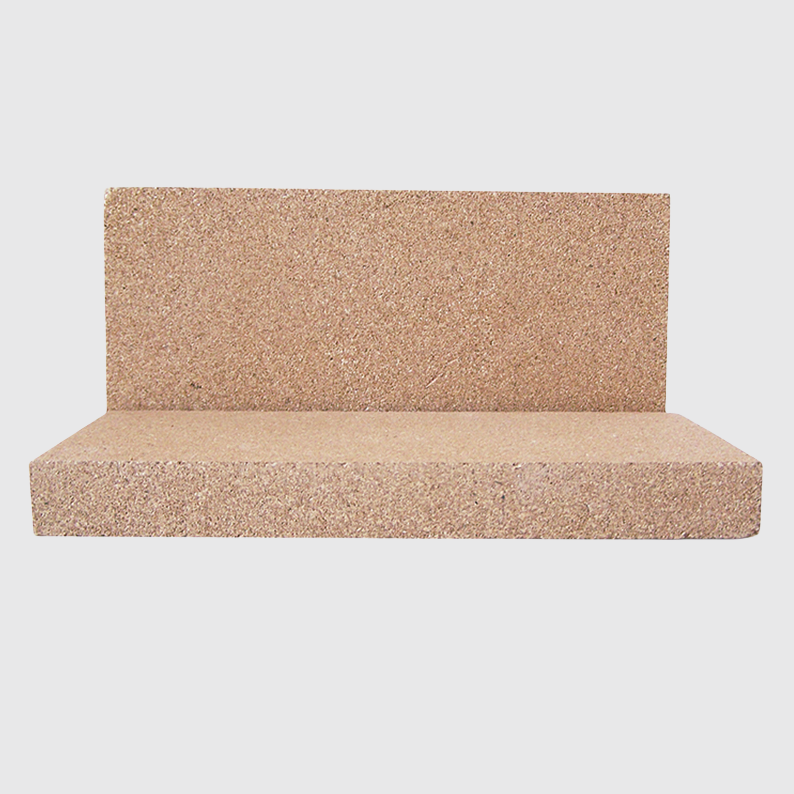
Understanding Fire Brick Durability: Thermal Shock and Mechanical Resistance
Thermal Shock Resistance as a Core Factor in Long-Term Fire Brick Performance
Fire bricks can handle extreme heat fluctuations reaching temperatures around 1,800 degrees Fahrenheit or about 982 degrees Celsius. The better quality ones last through hundreds of heating and cooling cycles before showing signs of cracking. What makes these bricks so tough? Special mixtures like magnesia combined with carbon do wonders. Adding graphite actually cuts down on thermal stress by roughly 40 percent when compared to regular brick formulas. Another key factor is how little they expand when heated. Bricks with expansion rates below 5.5 times 10 to the minus sixth per degree Celsius stay intact even during sudden temperature shifts. This property explains why they work so well in places like ceramic kilns and metal foundries where temperatures fluctuate constantly throughout operations.
Abrasion Resistance and Structural Integrity Under Mechanical Stress
The Cold Crushing Strength or CCS measurement tells us how strong bricks really are when it comes to mechanical stress. Most bricks that score under 50 MPa just can't hold up in tough spots like inside steelmaking furnaces and tend to break down after about two years there. The better quality fire bricks we see today usually have CCS ratings between 80 and 120 MPa because they're made using this special iso static pressing method. These stronger bricks stand up much better against things like slag erosion where the brick surface might wear away at about 2 mm per year. They also handle the constant pounding from materials being moved around and changes in pressure that happen all the time inside those hot combustion chambers.
Balancing Compressive Strength and Flexibility in Refractory Materials
| Compressive Strength Level | Key Characteristics | Optimal Use Cases |
|---|---|---|
| High (>100 MPa) | Rigid structure, brittle under thermal shock | Static load-bearing foundations |
| Moderate (50–80 MPa) | Elastic grain bonding, 15% deformation limit | Rotary kiln linings |
Achieving the right balance prevents failure modes such as spalling from excessive rigidity or creep deformation due to insufficient strength at elevated temperatures.
Key Indicators of Durability Across Repeated Heating and Cooling Cycles
Long-term performance depends on three microstructural properties:
- Porosity: Density below 18% limits pathways for crack propagation
- Grain bonding: Interlocked crystal networks inhibit fracture initiation
- Phase stability: Absence of low-melting phases below 2,550°F (1,399°C)
Bricks meeting these criteria exhibit less than 0.2% linear permanent expansion after 100 thermal cycles under ASTM C133 testing standards.
Fire Brick Grades and Temperature Ratings: Matching Performance to Application
Low, medium, high, and super duty fire brick grades: defining use cases
The different grades of fire bricks basically indicate what kind of heat they can handle. Low duty bricks rated at around 1,500 degrees Fahrenheit work fine for home fireplaces. Medium duty ones go up to about 2,300 degrees and are commonly used in ceramic kilns. High duty versions can take the heat of steel reheating furnaces at 2,700 degrees. And then there are super duty bricks that survive temperatures over 3,200 degrees in those intense glass melting tanks. The amount of alumina varies too, starting from roughly 30% in the basic bricks all the way up past 50% in these heavy duty super duty types. According to a recent study from 2023, super duty bricks keep about 94% of their strength even after going through 500 heating cycles. That's pretty impressive when compared to regular bricks which only manage around 67% strength retention under similar conditions.
How temperature ratings influence fire brick lifespan and efficiency
When bricks operate above their rated temperature range by around 200 degrees Fahrenheit or so (that's about 93°C), they tend to wear down three times faster because of something called cristobalite formation. This is what refractory material studies have shown happens over time. Good quality bricks that match the application requirements typically hold up for between seven to ten years straight in industrial settings. But if companies cut corners and use lower grade materials, these can start failing within just two years sometimes. According to research from The Ponemon Institute back in 2023, nearly nine out of ten furnace operators saw better energy efficiency improvements ranging from 12% to almost 18% once they switched to proper brick grades for their needs. Today's newer brick designs incorporate special mullite crystal formations along with carefully managed internal pores measuring roughly 15% to 25%. These features help the bricks withstand sudden temperature changes and maintain their structural integrity much longer.
Chemical Composition and Microstructure: How Alumina, Silica, and Pore Structure Affect Longevity
Alumina and Silica Content in Fireclay Bricks: Impact on Heat and Chemical Resistance
Durability is closely tied to alumina (Al₂O₃) and silica (SiO₂) ratios. Bricks with >40% alumina perform reliably at temperatures up to 1,650°C, making them suitable for industrial furnaces. High-silica variants (SiO₂ >70%) offer superior resistance in acidic environments such as glass production.
| Composition | Heat Resistance | Chemical Stability | Common Use Cases |
|---|---|---|---|
| 40–60% Al₂O₃ | 1,450–1,650°C | Moderate alkali resistance | Steel ladles, cement kilns |
| 25–40% Al₂O₃ | 1,200–1,450°C | Limited acid resistance | Fireplaces, pizza ovens |
Balanced compositions prevent phase destabilization—a common cause of microcracking during rapid heating caused by mismatched thermal expansion.
Microstructure Analysis: Porosity, Grain Bonding, and Thermal Cycling Resilience
Optimal pore structure enhances thermal stress absorption without compromising strength. The ideal range is 10–25% porosity:
- <15% porosity: Resists slag penetration but prone to cracking under thermal shock
- 15–25% porosity: Offers balanced insulation and mechanical resilience
- >30% porosity: Sacrifices load capacity despite excellent insulating properties
Strong grain bonding is essential for longevity—poorly fused aggregates can lose up to 40% compressive strength after 50 thermal cycles. Advanced firing techniques produce interlocking cristobalite matrices that survive 1,200°C thermal shocks 2.3 times longer than traditional bricks.
Types of Fire Bricks: Hard, Soft, and Insulating Variants Compared
Hard vs Soft Fire Bricks: Differences in Durability and Application Environments
Hard fire bricks stand up really well mechanically, with compression strength often above 150 MPa which makes them great choices for things like furnace floors and chimney construction. These bricks have this dense makeup rich in alumina content ranging from about 40 to 75 percent Al2O3. They don't wear down easily but they do transfer heat pretty fast. On the other hand, soft fire bricks aren't as tough, usually around 50 to 80 MPa strength range, but they insulate better because their structure has more pores. That's why they work so well inside kilns for lining purposes when keeping heat in matters more than dealing with direct flames or physical impacts during operation.
What Are Insulating Fire Bricks (IFBs)? Core Properties and Benefits
Insulating fire bricks (IFBs) feature low thermal conductivity (0.1–0.3 W/mK) and lightweight construction, with up to 45% void space. They handle temperatures up to 1,650°C (3,000°F) while reducing furnace energy consumption by 18–22%, according to refractory material studies. These properties make IFBs critical in fuel-efficient foundries and heat treatment systems.
Thermal Conductivity Profiles of Insulating Fire Bricks and Selection Trade-Offs
| Property | Insulating Fire Bricks | Dense Fire Bricks |
|---|---|---|
| Thermal Conductivity | 0.1–0.3 W/mK | 1.2–1.6 W/mK |
| Compressive Strength | 20–50 MPa | 50–150 MPa |
| Primary Use Case | Heat retention | Structural support |
Engineers select IFBs when energy conservation is prioritized over mechanical load requirements, using dense bricks in areas exposed to slag or physical impact.
Balancing Insulation Efficiency with Structural Strength in IFB Applications
Hybrid lining designs combine IFBs with hard brick layers to maintain 85–90% of insulation benefits while significantly improving durability. In high-vibration settings like rotary kilns, this approach triples wall lifespan. Recent case studies show composite systems reduce relining frequency by 40% compared to single-material setups.
Selection Criteria for Industrial Applications: Kilns, Furnaces, and High-Wear Environments
Critical Factors in Choosing Durable Fire Brick for Industrial Settings
Industrial environments require refractories capable of withstanding extreme conditions. Key selection criteria include:
- Temperature consistency – Materials must resist spalling, which accounts for 63% of premature refractory failures in cement kilns
- Mechanical abuse resistance – High-traffic zones demand bricks with ≥40 MPa compressive strength to endure impact and abrasion
- Chemical compatibility – Alkali-rich settings like waste incinerators require low-porosity fireclay bricks to limit corrosive gas infiltration
Recommended Fire Brick Types for Kilns Based on Operational Cycles and Temperatures
| Kiln Type | Temperature Range | Recommended Fire Brick | Cycle Frequency |
|---|---|---|---|
| Intermittent ceramics | 980°C–1260°C (1800°F–2300°F) | Medium-duty silica-alumina | ≥5 heats/week |
| Continuous glass | 1370°C–1538°C (2500°F–2800°F) | High-duty zirconia-enhanced | 24/7 operation |
| Metal heat treatment | 650°C–900°C (1200°F–1650°F) | Low-density insulating (IFB) | Variable shifts |
How to Select Insulating Fire Bricks Without Compromising Safety or Longevity
While IFBs reduce thermal conductivity by 40–60%, they require strategic deployment:
- Limit use to areas with mechanical stress <15 MPa and temperatures ≤1260°C (2300°F)
- Pair with high-strength bricks in load-bearing sections, reserving IFBs for thermal buffer layers
- Ensure uniform pore structure—bricks with ≥30% porosity benefit from protective coatings in oxidizing atmospheres
Data from industrial foundries indicate that combining IFBs with 50mm ceramic fiber modules extends liner service life by 18–22 months between maintenance cycles.
Frequently Asked Questions (FAQs)
What is thermal shock resistance and why is it important for fire bricks? Thermal shock resistance refers to a material's ability to withstand rapid changes in temperature without cracking. It is crucial for fire bricks because they are used in environments with frequent temperature fluctuations, like kilns and furnaces.
How do fire bricks maintain structural integrity under mechanical stress? Fire bricks maintain integrity through properties like high Cold Crushing Strength (CCS) and abrasion resistance, which help them withstand mechanical stress from slag erosion and material movement.
What is the role of alumina and silica in fire clay bricks? Alumina and silica ratio in fire bricks influences heat resistance and chemical stability. Higher alumina content provides better performance at elevated temperatures, while high silica variants offer resistance in acidic environments.
Table of Contents
- Understanding Fire Brick Durability: Thermal Shock and Mechanical Resistance
- Fire Brick Grades and Temperature Ratings: Matching Performance to Application
- Chemical Composition and Microstructure: How Alumina, Silica, and Pore Structure Affect Longevity
-
Types of Fire Bricks: Hard, Soft, and Insulating Variants Compared
- Hard vs Soft Fire Bricks: Differences in Durability and Application Environments
- What Are Insulating Fire Bricks (IFBs)? Core Properties and Benefits
- Thermal Conductivity Profiles of Insulating Fire Bricks and Selection Trade-Offs
- Balancing Insulation Efficiency with Structural Strength in IFB Applications
- Selection Criteria for Industrial Applications: Kilns, Furnaces, and High-Wear Environments