 EN
EN

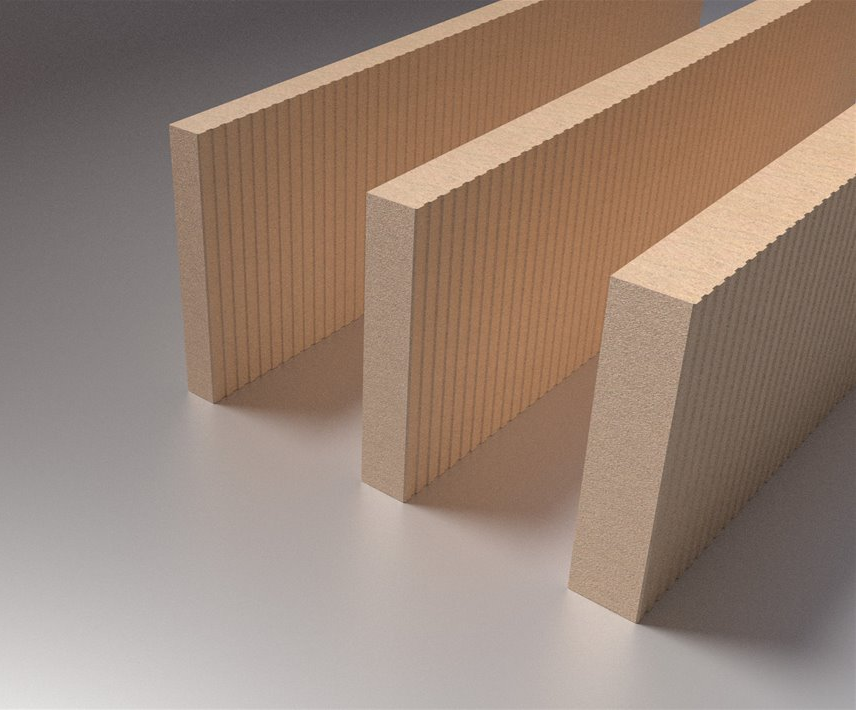
Building safety is a non-negotiable priority in construction, with fire protection standing as one of its most critical pillars. Fire panels have emerged as a cornerstone material in modern fire safety design, offering targeted, durable and high-performance protection against fire spread and structural degradation. But the question remains: do fire panels truly deliver on their promise for building safety? The answer is a resounding yes—when selected and installed correctly, fire panels elevate building fire safety to industry-leading standards, protecting structural integrity, human life and property against the devastating impact of fires. Below, we explore how fire panels enhance building safety, their core performance benefits and why they are an indispensable choice for modern construction projects.
Fire Panels: The First Line of Defense Against Fire Spread
The primary value of fire panels for building safety lies in their ability to act as a robust barrier to fire and heat transfer. Unlike conventional building materials that ignite or degrade quickly under high temperatures, premium fire panels are engineered to resist extreme heat—up to 1200°C—without pulverization, cracking or releasing toxic fumes. This heat resistance slows the spread of fire across building surfaces, buying critical time for evacuation and firefighting efforts, a factor that directly reduces casualties and property damage in fire emergencies.
Fire panels also play a pivotal role in protecting load-bearing steel structures, the backbone of modern commercial and industrial buildings. Steel loses its structural strength at high temperatures, leading to catastrophic building collapse. Fire panels create an insulating layer around steel beams and columns, maintaining their structural stability for extended periods during a fire. This fire resistance not only complies with global building safety codes but also ensures the building’s framework remains intact, preventing secondary hazards and enabling safer rescue operations.
Durability and Environmental Resistance: Sustained Safety Over Time
Building safety is not just about fire performance in the moment—it requires materials that maintain their protective properties over the building’s lifespan, and fire panels excel in this regard. Top-grade fire panels are designed with a service life of 10+ years, offering consistent fire protection without performance degradation. They are impervious to condensation water, a common issue in basements, industrial workshops and humid climates that can compromise the integrity of lesser fire protection materials. Unlike organic fire retardants that break down over time, fire panels made from inorganic materials like expanded vermiculite and mineral fillers retain their fire-resistant properties indefinitely, ensuring long-term building safety.
Additionally, fire panels boast excellent chemical resistance and thermal shock resistance, making them suitable for harsh building environments such as manufacturing facilities, chemical plants and commercial kitchens. They do not corrode, warp or absorb moisture, and can withstand sudden temperature changes without failing. This durability means fire panels require minimal maintenance, eliminating the risk of safety gaps caused by worn or damaged fire protection materials over time.
Versatility and Compliance: Aligning Fire Panels with Diverse Building Safety Needs
Fire panels are a highly versatile fire safety solution, adaptable to every area of a building and compatible with a wide range of construction styles—from residential high-rises to industrial warehouses and commercial complexes. They are available in lightweight, easy-to-install formats that can be cut and shaped to fit unique building designs, including wall cladding, ceiling insulation, stove enclosures and pipe jacketing. This versatility ensures that no part of a building is left unprotected, creating a comprehensive fire safety system that addresses every potential fire risk point.
For building safety, compliance with international and local fire codes is essential, and reputable fire panels meet the strictest global standards, including EU CPR 305/2011 and EN 14317-1:2004. They also undergo rigorous third-party testing for fire resistance, VOC emissions and structural performance, with certifications that validate their safety claims. Choosing certified fire panels ensures that construction projects adhere to building safety regulations, avoiding legal and safety liabilities while guaranteeing optimal fire protection.
Beyond Fire Protection: Secondary Safety Benefits of Fire Panels
Fire panels do more than just protect against fires—they deliver secondary safety benefits that further enhance building safety. Premium fire panels are made from non-asbestos, inorganic materials with zero toxic emissions, ensuring good indoor air quality and eliminating health hazards for building occupants. They are also non-combustible, meaning they do not contribute to fire growth or release harmful smoke, a major cause of fire-related fatalities.
In addition, fire panels offer excellent thermal insulation properties, reducing energy consumption and lowering the risk of overheating in electrical and mechanical systems—one of the leading causes of building fires. This dual function of fire protection and thermal insulation makes fire panels a cost-effective choice that boosts both building safety and energy efficiency.
In conclusion, fire panels are an exceptional investment in building safety, offering unrivaled fire resistance, long-term durability, versatility and regulatory compliance. They form an integral part of a modern building’s fire safety strategy, protecting structural integrity, human life and property in the event of a fire. When sourced from experienced manufacturers and installed to industry standards, fire panels do not just meet building safety requirements—they exceed them, making them an essential material for any construction project that prioritizes safety above all else.