

Get a Free Quote

Our representative will contact you soon.
Email
Mobile/Whatsapp
Name
Company Name
Message
0/1000

Which Fireplace Bricks Suit Your Home?

2025-11-25 17:21:01
Which Fireplace Bricks Suit Your Home?

Understanding Fireplace Bricks: Types and Functional Differences

What Is a Fire Brick? Core Properties and Heat Resistance

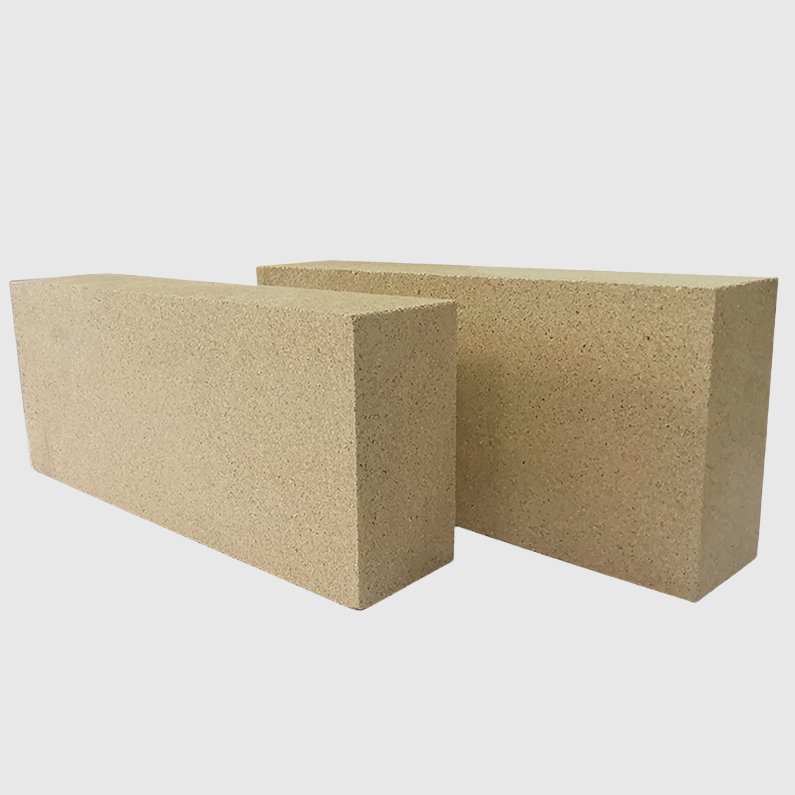
Fire bricks, also known as refractory bricks, can handle really intense heat. These special bricks work well even when temps reach around 1400 to 1700 degrees Celsius, which is actually about 20 times hotter than regular masonry bricks can take. They're constructed using dense materials like alumina silicate that have very little space between particles. This makes them pretty good at handling sudden temperature changes and standing up against chemicals produced during burning processes. Regular decorative bricks just don't cut it for this job. Fire bricks are what actually protect the inside of furnaces and kilns, keeping everything contained safely while maintaining the structure's strength over time. Without these specialized bricks, many industrial heating systems simply wouldn't function properly.

Differences Between Common Bricks and Fire Bricks in Composition and Use

Property Standard Masonry Bricks Fire Bricks
Max Temperature 800°C (begins degrading) 1,700°C (ASTM C27 compliant)
Thermal Conductivity High (transmits heat rapidly) Low (insulates firebox walls)
Primary Use Decorative facades, walls Firebox lining, hearth bases

Standard bricks degrade under repeated heating cycles, while fire bricks maintain performance through 5,000+ cycles, making them essential for long-term safety and efficiency.

Types of Fire Bricks: Insulating vs. Dense Refractory Variants

  • Insulating Fire Bricks (IFBs): Lightweight (density: 0.5–1.0 g/cm³) with over 60% air voids. They reduce heat loss through firebox walls, improving energy efficiency.
  • Dense Refractory Bricks: Heavier (2.3–3.0 g/cm³), offering superior mechanical strength. Best suited for high-wear zones like firebox floors where direct flame contact occurs.

How Firebrick Supports the Firebox Structure and Meets Safety Standards

Fire bricks spread heat out pretty evenly throughout a furnace or kiln area, which stops those pesky hot spots from forming that might otherwise warp metal parts over time. These bricks meet the ASTM C27 standard for how well they hold up when loaded with weight while exposed to high temps, so most folks know they'll work reliably even when things get really hot inside the chamber, sometimes reaching as high as 1,400 degrees Celsius. For best results, install them with special mortar that can handle temperatures above 1,200 degrees. This creates a system that actually meets building codes and cuts down on dangerous creosote fires by around three quarters compared to what happens in regular old fireboxes without proper lining.

Aesthetic Benefits of Fireplace Bricks in Interior Design

Brick Fireplaces as a Timeless Element in Home Interior Design

Fireplace bricks have been part of home decor for hundreds of years, mixing old world charm with today's design options. The way these bricks fit together and their warm colors give rooms a sense of depth that works just as well in country style living rooms as it does in modern apartments. Brick walls look great next to shiny metal surfaces in city loft spaces or alongside simple wood cabinets in houses designed around minimalism. We see this trend continuing because according to the latest National Design Review from 2024, most interior designers (around four out of five) still suggest using brick as a main feature in many different types of homes.

Visual Warmth and Texture: How Fireplace Bricks Enhance Room Ambiance

Brick comes in all sorts of colors from deep terracotta reds right down to gentle buff tones, creating real visual interest when used in home design. The way light plays across these textured surfaces creates interesting shadows that somehow make spaces feel cozier than they actually are. Brick makes an excellent choice for fireplace surrounds especially in modern open floor plans where it serves as a sort of anchor point. A study published last year found that people generally rate rooms with brick walls as feeling warmer by about 40% compared to standard drywall finishes. That's pretty significant when trying to create inviting living spaces.

Durability Meets Style: Long-Term Performance of Brick Materials

Fireplace bricks combine lasting beauty with resilience. High-quality refractory bricks endure temperatures exceeding 2,000°F without cracking or fading. Their pigments remain stable over decades, eliminating the need for refinishing. With minimal maintenance, these bricks offer a sustainable solution, typically lasting 50+ years in residential settings.

Key Considerations Table

Aspect Brick Advantage
Design Flexibility Adapts to traditional, modern, and transitional styles
Thermal Performance Withstands extreme heat without structural compromise
Maintenance Requires only occasional dusting or gentle brushing

Choosing the Right Fireplace Brick Based on Color, Texture, and Pattern

Color Variations and Finishes: Matching Bricks to Your Home’s Palette

The color choice really matters when fitting a fireplace into an interior design. Traditional and farmhouse styles often work well with neutral tones such as buff or terracotta. Modern spaces tend to pop with bolder choices like deep reds or charcoal grays. Manufacturers now produce all sorts of finishes from matte to high gloss, which helps match up with different parts of the room. Take washed gray for instance it can mellow out those stark industrial looks. And then there's that lovely muted ochre that just brings warmth to rooms decorated with earthy tones.

Textural Impact: Smooth, Rustic, or Split-Face Bricks for Different Moods

Texture influences atmosphere:

  • Smooth finishes deliver a clean, contemporary look ideal for minimalist designs.
  • Rustic textures with irregular edges bring warmth to cottage or traditional spaces.
  • Split-face bricks provide raw, dimensional appeal suited to modern-industrial themes.

A 2023 Material Design Survey found that 78% of homeowners prioritize tactile quality when selecting fireplace materials.

Pattern Options: Herringbone, Stack Bond, and Running Bond in Fireplace Surrounds

Laying patterns shape visual rhythm:

  • Herringbone (zig-zag) adds dynamic movement.
  • Stack bond (aligned rows) emphasizes symmetry and modernity.
  • Running bond (offset courses) provides classic versatility.

Align joint spacing with your overall design—tight joints suggest precision; wider mortar lines enhance rustic character.

Trend Analysis: Popular Fireplace Brick Colors in 2024 Interior Designs

Current preferences lean toward organic neutrals. Soft gray dominates modern farmhouse designs, while off-white tones appear in 41% of new installations (2024 Interior Design Report). For standout features, deep navy or green-hued bricks are gaining popularity in urban lofts, often combined with metallic accents like brass or black steel.

Modern Alternatives and Complements: Brick Veneer and Thin Brick Solutions

Modern Applications of Brick Veneer in Indoor Fireplace Design

Brick veneer gives buildings that stone wall appearance while being much easier to install. These thin panels are only about a quarter inch to an inch thick and can be attached right onto existing drywall or concrete surfaces. No need for extra structural work when wanting those clean fireplace surrounds. Many architects love combining brick veneer with metal framing elements or old barn wood mantles. It creates this interesting mix between cozy country vibes and modern simplicity. The latest numbers from the Masonry Institute show something pretty interesting too. Their 2024 report found that nearly two thirds of industry pros are choosing brick veneer for indoor fireplace installations these days because it works so well in both country style homes and more contemporary spaces.

Advantages of Thin Brick Options for Retrofits and Minimalist Spaces

Thin brick systems actually weigh around three quarters less than traditional full depth masonry options, yet they still hold up against pretty much the same level of heat resistance, going all the way up to 2000 degrees Fahrenheit. This makes these lighter weight bricks perfect when someone wants to retrofit an older building or install in places where structural loads matter a lot. The modular nature of thin bricks opens up all sorts of creative possibilities for layout designs. Architects love playing with things like stacked bonds or vertical running patterns. According to a recent 2023 FDMA survey, nearly nine out of ten architects prefer these kinds of arrangements because they create those sleek, contemporary looks that clients are asking for nowadays.

Case Study: Transitional Homes Using Brick Veneer to Blend Traditional and Modern Elements

A recent suburban home makeover featured wire cut brick veneer with a subtle matte finish applied to update an old 1990s brick fireplace. The designers went all out by running the same brick up to the ceiling and adding matching oak shelves on either side from floor to ceiling. This created what many would call a transitional look that respects the house's history but brings in some modern balance too. After everything was finished, energy tests revealed that the room retained about 12 percent more heat compared to before the work started, which makes sense given how well insulated the new setup turned out to be.

Common Materials in Modern Fireplace Design: Brick, Stone, Tile, Steel, and Glass

When it comes to fireplace surrounds, finding the right mix between something that lasts and looks good is essential. Brick has stood the test of time as a favorite option because it can handle extreme heat without cracking (up around 2000 degrees Fahrenheit) plus it never goes out of style. People also love working with natural stone, porcelain tiles, steel surfaces, and even glass these days. For those wanting something really tough, granite and marble are excellent choices. With regular maintenance, these stones can keep looking great for half a century or more. Porcelain tiles let homeowners play with color schemes and intricate designs, whereas steel and glass installations tend to attract folks who prefer clean lines or have an industrial vibe going on in their space.

When to Choose Stone or Tile Over Fireplace Bricks for Aesthetic or Functional Reasons

Marble adds a touch of class to any space thanks to those beautiful natural veins running through it, which really stand out in formal living rooms. When dealing with places where water might be an issue, tiles work better overall because they don't absorb moisture like stone does. That's why many people go with tiles around outdoor fire pits or patios. According to some industry reports, roughly two thirds of interior designers suggest using tiles when going for those striking geometric designs or Mediterranean looks. Stone materials hold heat much better than other options though, so if someone has a wood burning fireplace that needs to stay warm longer after being lit, stone would probably be the way to go for that kind of setup.

Cost, Maintenance, and Installation Trade-Offs Across Fireplace Surround Materials

Material Average Cost (per sq.ft.) Maintenance Needs Lifespan
Brick $8–$15 Annual mortar inspections 30–50 years
Natural Stone $20–$100 Bi-annual sealing 50+ years
Porcelain Tile $5–$20 Monthly grout cleaning 15–25 years

Brick offers the best value over time, while natural stone requires a higher initial investment. Steel and glass installations demand professional handling due to weight and precise cutting requirements, increasing labor costs by 25–40% compared to brick. For low-maintenance options, sealed stone or glazed tile provide durable, stylish alternatives.

FAQs

What are fire bricks made of?

Fire bricks are typically made from dense materials like alumina silicate, which have minimal particle space and provide excellent heat resistance.

How do fire bricks differ from regular bricks?

Fire bricks are designed to withstand temperatures up to 1,700°C, whereas regular bricks begin degrading at around 800°C. Fire bricks have low thermal conductivity, making them ideal for lining firebox walls.

What types of fire bricks are available?

There are two main types: Insulating Fire Bricks (IFBs), which are lightweight with high insulation capacity, and Dense Refractory Bricks, which are heavy with superior mechanical strength.

How do I choose the right fireplace brick for my home?

Consider color variations, textures, and patterns. Neutral tones suit traditional styles, while bold colors fit modern spaces. Choose textures and laying patterns based on the atmosphere and mood you want to create.

Can brick veneer be used for indoor fireplaces?

Yes, brick veneer can be used in indoor fireplace designs. It mimics the appearance of solid brick walls while being easier to install on existing surfaces.

Table of Contents