 EN
EN

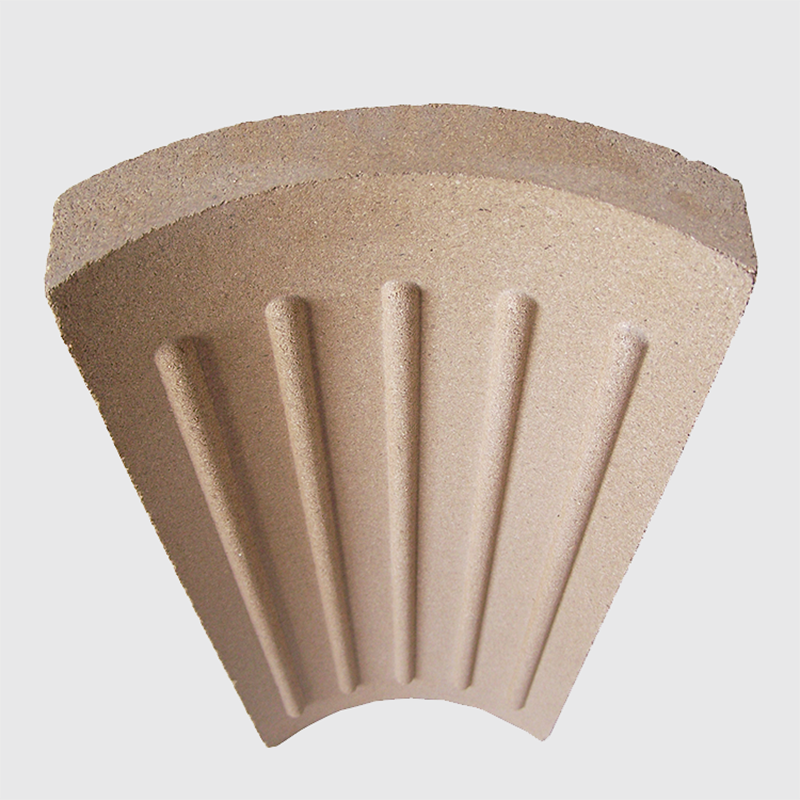
Vermiculite in Construction: Fireproofing, Insulation, and Code-Compliant Cost Savings
How Vermiculite Delivers Lightweight, Non-Flammable Thermal and Fire Barrier Performance
The unique mineral makeup of vermiculite gives it several key benefits all at once. First off, it's surprisingly light weight for a building material, typically ranging between 40 to 80 kilograms per cubic meter. Then there's the fact that it won't catch fire under normal conditions, which is pretty important when talking about safety. And let's not forget about its thermal properties either, with conductivity numbers sitting around 0.05 to 0.07 watts per meter Kelvin. What happens when this stuff gets hot? Well, it actually expands dramatically into something like a spongy insulation layer. This expansion creates a protective barrier that can withstand temperatures over 1000 degrees Celsius before showing any sign of burning. The result is what looks like a carbon shield forming on the surface, cutting down heat movement through structures by roughly 30 to 40 percent compared to regular materials. Because of these characteristics, builders can install much thinner fireproofing layers without sacrificing protection levels. This means more usable interior space in buildings while still meeting those tough fire resistance standards we see in codes like ASTM E119 and IBC Section 714, where some installations achieve full four hour protection ratings.
Real-World ROI: Vermiculite Firestop Systems in High-Rise Retrofits and New Builds
When retrofitting high rises, using vermiculite based firestop systems can cut down on structural reinforcement needs by around 15 to 20 percent. This means less work for crews and lower installation expenses overall. For buildings going up from scratch, getting certified vermiculite barriers makes the permitting process go smoother since they fit right with IBC Section 714 standards without needing extra engineering work. Real world installations have seen insurance premiums drop between 25 and 30% annually for commercial properties. Plus, these materials act both as thermal barriers and insulation, which helps slash HVAC energy usage by approximately 18% in moderate climate areas. The combination of these factors leads to payback times of less than five years when applied to mixed use developments and office buildings alike.
Vermiculite in Horticulture and Agriculture: Scalable Efficiency for Commercial Growers
Optimizing Soilless Media, Seedling Production, and Bio-Inoculant Delivery with Vermiculite
When mixed into soilless growing mixes, vermiculite really boosts performance because it holds about twice its weight in water while still keeping good air pockets around plant roots. This balance helps prevent soil from getting too packed down and makes sure roots get enough oxygen in hydroponic setups, aeroponic systems, and greenhouses alike. Gardeners who blend vermiculite into their seed starting mix often see faster germination rates, maybe around 20 to 35 percent quicker than without it, which means plants suffer less when they're moved later on. The material also has some special properties that help keep helpful microbes alive longer. For instance, it can extend the shelf life of beneficial fungi like Trichoderma by roughly 40% compared to regular peat moss. That's why many commercial growers working in vertical farms or nurseries find vermiculite so valuable for maintaining consistent quality across all their crops.
Logistical and Shelf-Life Benefits: Lower Shipping Weight and Extended Product Viability
Vermiculite has a really low bulk density around 65 to 110 kg per cubic meter which means freight weights drop significantly compared to other mineral aggregates. This translates into shipping cost savings of about 35 percent too. When pre hydrated, these substrates come straight out of the box ready to go so there's no need for anyone onsite to mix anything together. Organic options don't hold up as well because they break down over time. Vermiculite stays chemically stable and maintains its pH balance for at least five years when stored properly, and best of all it won't decompose or get attacked by microbes. Industry research from last year showed something pretty impressive actually. Seedlings packed with vermiculite had roughly 90% fewer losses during transport. That makes a big difference for companies trying to keep their controlled environment agriculture supply chains running smoothly without constant setbacks.
Industrial and Infrastructure Uses: From Foundry Molds to Hazardous Material Management
The thermal resilience and ability to absorb liquids of vermiculite have made this material essential across various industrial settings. When working with metal casting operations, manufacturers often incorporate expanded vermiculite into their molds. This helps create better surface finishes and cuts down on those annoying casting defects. What's really impressive is how it holds up after multiple cycles of heating and cooling without falling apart. Another great feature is its capacity to soak up liquids, which is why so many factories rely on it for controlling spills during chemical handling. We see this material all over manufacturing plants and along transportation routes where it contains leaks and keeps environmental risks low while also reducing potential legal problems. For infrastructure work like tunnels and power plants, engineers appreciate the fact that vermiculite won't burn. This property meets important safety standards such as NFPA 80 and UL 1709 requirements. Plus, since the stuff lasts so long without degrading, maintenance costs stay lower over time compared to other alternatives.
Sustainability-Driven Opportunities: Vermiculite in Green Roofs, Stormwater Filtration, and Urban Resilience
Lifecycle Cost Analysis: Vermiculite’s Role in Reducing Urban Heat Island Effect and Stormwater Runoff
When it comes to making cities more resilient against climate change, vermiculite plays a real role thanks to its ability to cool surfaces and hold onto water during storms. When mixed into green roofs, this material can actually hold 2 to 3 times its own weight in moisture, which helps plants keep transpiring even when conditions get tough. The result? Rooftop temperatures drop by around 40 degrees Fahrenheit compared to regular roofs, cutting down on that pesky urban heat island effect we all know too well (cities tend to be 5-9 degrees warmer than nearby countryside). Buildings need about 15-25% less energy for cooling because of this. And let's not forget about rainwater management either. Vermiculite soaked up roughly 60% more water than traditional roofing materials, meaning less runoff overwhelming old drainage systems and lower costs for municipalities dealing with stormwater issues. Looking at the big picture over time, studies show that these benefits pay off within 20 to 30 years through saved money on energy bills, avoiding expensive infrastructure fixes, and staying ahead of regulations. For anyone concerned about both climate adaptation and wallet health, vermiculite seems like a smart choice for sustainable development projects.
FAQ
What is vermiculite, and where is it commonly used?
Vermiculite is a mineral used in construction, horticulture, agriculture, and various industrial applications for its lightweight, fire-resistant, and water-retentive properties.
How does vermiculite benefit construction projects?
In construction, vermiculite offers fireproofing, insulation, and cost savings by allowing thinner, lighter layers that comply with fire resistance standards without sacrificing safety.
Why is vermiculite used in horticulture and agriculture?
Vermiculite improves soilless media and seedling production, enhancing water retention and air pockets for better plant growth, while extending the shelf life of beneficial microbes.
What advantages does vermiculite offer in industrial applications?
Industrially, vermiculite is used in foundry molds and hazardous material management due to its thermal resilience and liquid absorption capabilities, helping reduce defects and control spills.
Table of Contents
- Vermiculite in Construction: Fireproofing, Insulation, and Code-Compliant Cost Savings
- Vermiculite in Horticulture and Agriculture: Scalable Efficiency for Commercial Growers
- Industrial and Infrastructure Uses: From Foundry Molds to Hazardous Material Management
- Sustainability-Driven Opportunities: Vermiculite in Green Roofs, Stormwater Filtration, and Urban Resilience