 EN
EN

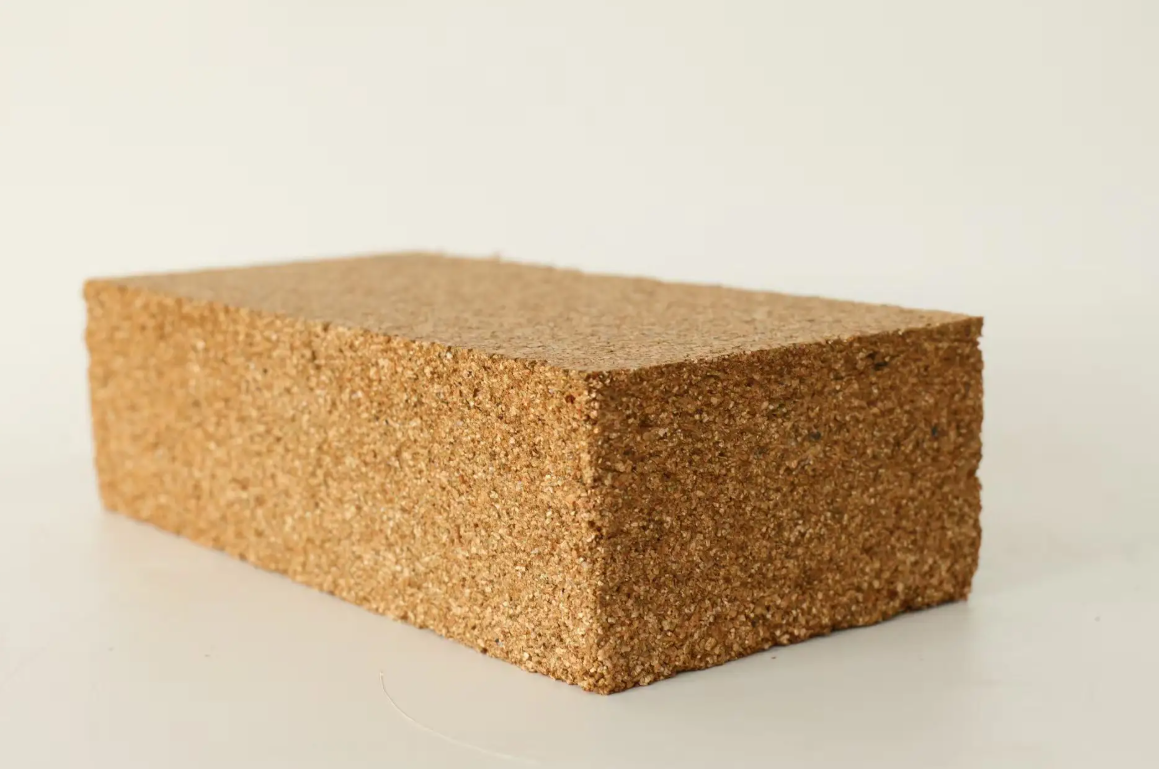
What Is Vermiculite Insulation? Material Properties and Historical Role in U.S. Energy Efficiency
Vermiculite insulation is a naturally occurring mineral-based material that expands dramatically when heated—forming lightweight, fire-resistant granules with trapped air pockets that provide thermal resistance.
Thermal performance, expansion science, and natural advantages of vermiculite insulation
Vermiculite has low thermal conductivity (0.10–0.20 W/mK), effectively limiting heat transfer. It withstands temperatures up to 1200°C and requires no chemical treatments to maintain stable thermal performance across temperature fluctuations—making it inherently safe and durable.
Widespread residential adoption (1940s–1980s) and its contribution to mid-century energy conservation
Post-World War II, vermiculite became widely used in attics and walls due to its ease of installation and thermal efficiency. An estimated 85% of U.S. vermiculite came from a single Montana deposit during this period. In colder climates, it helped reduce heating demand and supported early national energy conservation efforts—contributing measurably to the energy efficiency of mid-century homes.
The Asbestos Contamination Crisis: Health Risks and Identification of Hazardous Vermiculite Insulation
Libby, Montana legacy: How Zonolite® vermiculite insulation became synonymous with asbestos exposure
The asbestos contamination crisis stems directly from the Libby, Montana mine, which supplied most U.S. vermiculite from the 1920s through the 1980s. That deposit contained naturally occurring amphibole asbestos—a known carcinogen linked to lung cancer, mesothelioma, and asbestosis. The branded product Zonolite®, installed in millions of U.S. attics, remains a persistent public health concern. While undisturbed vermiculite poses minimal immediate risk to occupants, any disturbance—such as during renovations or wiring upgrades—can release hazardous airborne fibers (InspectMT).
Visual and contextual indicators for identifying potentially contaminated vermiculite insulation
Vermiculite appears as small, accordion-like flakes, typically gray-brown or silver-gold. But visual identification alone cannot confirm asbestos contamination. Laboratory analysis—most commonly Polarized Light Microscopy (PLM)—is required for definitive results. Although emerging tools like USGS-developed handheld spectrometers show promise for field screening, professional testing remains the gold standard (Asbestos.com). Homeowners should assume any vermiculite installed before 1990 is potentially contaminated—especially if sourced from Libby—and avoid disturbing it until verified by a certified inspector.
Managing Legacy Vermiculite Insulation: Abatement, Encapsulation, and Regulatory Guidance
EPA, OSHA, and state protocols for safe handling, removal, and worker protection
Regulatory compliance is non-negotiable. The EPA requires professional asbestos testing before any disturbance. OSHA mandates certified asbestos abatement contractors for removal, who must use HEPA vacuums, negative air pressure systems, and approved disposal methods. State regulations often add requirements such as mandatory air monitoring. Worker protection includes NIOSH-certified respirators and full-body protective suits. Always verify contractor credentials through your state licensing board.
When to encapsulate vs. remove: Evaluating risk, cost, and energy continuity for older homes
Encapsulation—sealing insulation behind an airtight barrier—is appropriate for intact, undisturbed attic installations with no air leakage. It costs 40–60% less than full removal and avoids energy disruption. Removal is necessary when renovation work will disturb the material or when contamination is confirmed.
| Factor | Encapsulation Advantage | Removal Necessity |
|---|---|---|
| Disturbance Risk | Minimal | High during demolition |
| Long-Term Safety | Requires barrier integrity | Eliminates source hazard |
| Project Cost | $2,500–$4,000 average | $7,000–$15,000+ with disposal |
| Energy Disruption | None | Significant during attic access |
The Zonolite Attic Insulation Trust (established in 2014) offers partial reimbursement for removal—up to 55% of documented expenses or a maximum of $4,125. For site-specific guidance balancing safety and energy goals, consult your regional EPA office.
Upgrading Energy Efficiency After Vermiculite Insulation Management
Once vermiculite has been safely abated or encapsulated, homeowners should reinstate thermal performance using modern, health-safe alternatives—such as mineral wool, dense-packed cellulose, or closed-cell spray foam. These materials match or exceed vermiculite’s historic R-value range of 2.9–3.8 per inch while eliminating asbestos risk. Properly insulated attics can reduce HVAC energy consumption by up to 30%, with retrofit costs typically recouped within 2–5 years.
When selecting replacements, prioritize:
- Thermal performance: Choose materials rated for your climate zone’s recommended R-value
- Air sealing: Integrate insulation with caulk, gaskets, or expanding foam to block convective losses
- Moisture management: Select vapor-permeable options in humid regions to prevent condensation and mold
- Fire safety: Confirm UL certification and flame-spread ratings meet local building codes
For optimal outcomes, conduct blower-door testing before installation to locate air leaks—and engage a BPI- or RESNET-certified energy auditor to model region-specific energy savings and payback periods. This systematic approach restores thermal resilience while supporting long-term sustainability and occupant health.
FAQ
What is vermiculite insulation made of?
Vermiculite insulation is made from a naturally occurring mineral that expands dramatically when heated, forming lightweight and fire-resistant granules.
What are the risks of asbestos contamination in vermiculite insulation?
Vermiculite insulation, especially from Libby, Montana, might contain hazardous asbestos fibers, posing health risks if disturbed. Professional testing is essential to confirm contamination.
Should I remove vermiculite insulation in my home?
Removal is necessary if the insulation is contaminated with asbestos and must be disturbed or replaced. Alternatively, intact installations can be encapsulated safely.
What modern materials can replace vermiculite insulation?
Health-safe alternatives like mineral wool, cellulose, and spray foam offer robust thermal performance and can replace vermiculite insulation effectively.
What are the costs of removing or encapsulating vermiculite insulation?
Encapsulation costs $2,500–$4,000 on average, while removal ranges from $7,000–$15,000 or more including disposal fees.
Table of Contents
- What Is Vermiculite Insulation? Material Properties and Historical Role in U.S. Energy Efficiency
- The Asbestos Contamination Crisis: Health Risks and Identification of Hazardous Vermiculite Insulation
- Managing Legacy Vermiculite Insulation: Abatement, Encapsulation, and Regulatory Guidance
- Upgrading Energy Efficiency After Vermiculite Insulation Management
- FAQ