 EN
EN

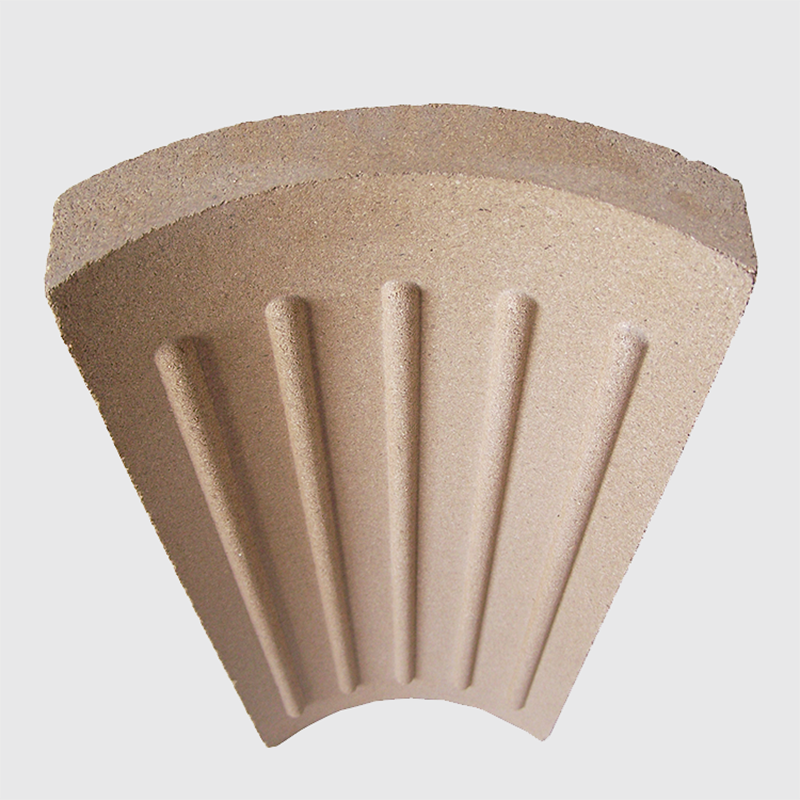
Vermiculite Slabs as High-Performance Passive Fire Protection
How Exfoliation and Endothermic Decomposition Deliver Fire Resistance
The fire resistant properties of vermiculite slabs come from two main processes working together: expansion when heated (exfoliation) and chemical breakdown that absorbs heat (endothermic decomposition). Heat causes vermiculite to puff up dramatically, expanding as much as 30 times what it was originally. This creates lots of tiny air spaces inside that act like insulation against flames. At the same time, around 200 to 300 degrees Celsius, the material starts breaking down chemically. What's interesting is that this process actually soaks up a lot of heat instead of giving off dangerous gases. These combined effects make vermiculite slabs particularly effective at slowing down fires and protecting building structures during emergencies.
- Reduces conductive heat flow by over 50%
- Delays structural temperature rise beyond 1,000°C for 60–120 minutes
- Maintains compartmentation integrity at 1,200°C, with 90% of tested specimens meeting ASTM E119 and EN 1364-1 requirements
Meeting Code Requirements: ASTM E119 and EN 1364-1 Performance Validation
These inherent properties enable vermiculite slabs to exceed internationally recognized fire safety standards. Independent testing confirms compliance with:
- ASTM E119, validating 2-hour fire endurance in load-bearing assemblies
- EN 1364-1, certifying non-combustibility (Class A1) and structural stability under fire exposure
Such performance directly supports life-safety objectives in high-rises, data centers, and industrial facilities—where extended fire resistance is critical for evacuation, firefighting response, and asset protection.
Thermal Insulation Benefits of Vermiculite Slabs in Building Envelopes
Suppressing Conductive and Radiative Heat Transfer Through Microstructure
When vermiculite expands, it creates a unique microstructure that works really well for thermal insulation because it blocks all three main types of heat transfer at once: conduction, radiation, and convection. What happens during the exfoliation process is pretty interesting too. The silicate layers basically split apart and trap air inside, forming tiny pockets that stop molecules from conducting heat so easily. Plus, those shiny crystal surfaces reflect infrared radiation back away from whatever needs insulation. And since there's not much movement within these trapped air spaces, convection currents don't form either. Thermal tests show that vermiculite typically has conductivity ratings between 0.10 and 0.20 W/mK, which actually beats most traditional mineral wools and foam products on the market today. What makes this material stand out even more is how stable it stays when temperatures go past 1,200 degrees Celsius. This means buildings insulated with vermiculite can maintain their protective properties whether facing extreme fires or just regular day-to-day temperature changes over time.
Real-World U-Value Improvements in Residential and Industrial Façades
Real world tests have shown that vermiculite slabs actually save energy in all kinds of buildings. When homeowners retrofit their homes with about 50mm thick vermiculite slabs on outside walls, they usually see around a 40 to 60 percent improvement in U-values, which means about 30% less need for heating and cooling systems. The numbers get even better in industrial buildings. One factory recently upgraded its insulation with these vermiculite boards and managed to bring down the wall's U-value to just 0.25 W per square meter Kelvin. That simple change saved them nearly eighteen thousand dollars each year on heating bills. What makes this material so useful is how flexible it is. Contractors can install it inside cavity walls, hide it behind various types of cladding, or incorporate it into pre-made panel systems. Best of all, most installations don't require reinforcing structures or causing significant disruptions during construction.
Structural Integration: Vermiculite Slabs for Steel Protection and Compartmentation
Encasement Solutions and Fire-Rated Partitions in High-Rise Retrofits
Vermiculite slabs work really well as passive fire protection for structural steel because they act like both a thermal barrier and a heat sink at the same time. The material's low thermal conductivity means it doesn't let heat pass through easily to the steel components underneath. This can extend fire resistance times by around 120 minutes, which gives people inside buildings plenty of time to get out safely and allows firefighters to respond effectively. When retrofitting high rise buildings, these slabs create lightweight partitions that meet building codes while separating different floors and shaft areas. What makes them especially useful is that they don't put extra weight stress on older structures that might not be designed for heavier materials.
These materials expand at about the same rate as steel when heated, so there's much less chance of them peeling away or cracking under sudden temperature changes. When things get really hot, they go through what's called an endothermic decomposition process. This creates a protective layer that acts like insulation against flames. Studies looking at building renovations in cities back in 2023 showed something interesting too. Buildings that had switched to vermiculite based walls saw their repair bills drop significantly after fires. The numbers were pretty striking actually, around 34 percent less than older buildings still using traditional methods.
| Retrofit Advantage | Performance Impact |
|---|---|
| Heat absorption capacity | Delays steel failure by 60–120 min |
| Partition weight efficiency | 40% lighter than concrete barriers |
| Installation flexibility | Adapts to irregular structural gaps |
Sustainability Advantages of Vermiculite Slabs in Modern Construction
Low Embodied Energy, Natural Origin, and End-of-Life Recyclability
The sustainability benefits of vermiculite slabs come from where they start - as a natural mineral that doesn't need much processing. Vermiculite is basically a type of rock found in nature, and when it gets processed, we just heat it gently to expand those tiny flakes. This method eats up about 85 percent less energy compared to making synthetic fireproof materials. The carbon footprint stays pretty low throughout everything from mining to final product. When these slabs reach the end of their useful life, builders can actually recycle them pretty easily. Crushed up vermiculite finds new homes mixed into building materials or even used in gardens to improve soil quality. That fits right into circular economy thinking. Another big plus? No nasty VOCs released during installation or while the material sits in walls and ceilings. It passes all the major fire safety tests like ASTM E119 and EN 1364-1 standards without any issues, and still keeps its green credentials intact.
FAQ
What makes vermiculite slabs effective in fire protection?
Vermiculite slabs are effective in fire protection due to their ability to expand and create air spaces that insulate against flames, as well as their endothermic decomposition process that absorbs a lot of heat.
How do vermiculite slabs improve building insulation?
Vermiculite slabs improve building insulation by creating a unique microstructure that blocks conductive, radiative, and convective heat transfer, leading to better thermal management.
Are vermiculite slabs environmentally friendly?
Yes, vermiculite slabs are environmentally friendly because they require low embodied energy to produce, originate from natural minerals, and are recyclable at the end of their lifecycle.
What are the benefits of using vermiculite slabs in high-rise buildings?
Vermiculite slabs in high-rise buildings offer lightweight partitioning, enhanced fire protection for structural steel, and maintain structural stability, all while meeting strict building codes.