 EN
EN

How Fireproof Vermiculite Achieves Reliable Passive Fire Protection
Endothermic Expansion and Steam-Cooling Mechanism
Vermiculite that resists fire works against structural fires using two main mineral-based reactions. At around 270 degrees Celsius, the hydrated silicate layers start expanding rapidly as they absorb heat energy, sometimes growing up to thirty times their original size. What happens next is pretty remarkable - this expansion creates a stable protective layer with poor conductivity that acts as insulation for whatever material lies beneath it, slowing down how quickly heat moves through. Meanwhile, the water between those mineral layers turns into steam during heating, which helps cool surfaces locally. These combined effects cut down heat transfer by over half when compared to regular non-reactive materials. That makes vermiculite great for creating fire barriers passively without needing any special equipment or outside intervention, something building engineers value greatly for both safety and cost reasons.
Validated Performance: ASTM E119 and EN 1363-1 Fire Resistance Ratings
Fireproof vermiculite used in industrial applications meets international fire resistance standards, which means it performs reliably when tested in real world conditions. When put through ASTM E119 tests, both spray applied systems and board based installations keep their structural integrity for around an hour to two hours. The back surface temperatures stay under 325 degrees Celsius even on load bearing structures. Tests following EN 1363-1 show similar results for insulation and structural integrity, allowing these materials to get EI ratings that go all the way up to four hours protection. What really matters here is that these standards make sure steel remains below 550 degrees Celsius, the point at which metal starts losing its strength and buildings can fail too early. Labs that are properly accredited handle third party certifications, giving building professionals something they can check and trust whether they're working with cementitious sprays or factory made boards for fire protection.
| Fire Test Standard | Key Performance Criteria | Verified Protection Duration |
|---|---|---|
| ASTM E119 | Structural integrity & temperature control | 60–120 minutes |
| EN 1363-1 | Insulation effectiveness & compartmentation | 60–90 minutes (EI classification) |
Strategic Applications of Fireproof Vermiculite in Structural Fire Safety
Protecting Structural Steel with Vermiculite Spray Systems
Spray applied vermiculite coatings offer solid protection that meets all building codes for structural steel applications. When applied right onto steel beams, columns, and trusses, these cement based systems create a tough thermal barrier. What makes them work so well? They expand when heated (that's endothermic action) and release steam which helps cool things down, slowing how fast heat gets through the material. Tests have shown these coatings cut down heat transfer by more than 60 percent, keeping steel strong even past those critical 550 degree Celsius temperatures where most materials fail. The ASTM E119 tests back this up showing structures stay intact for around 90 to 120 minutes after fire exposure. That gives people plenty of time to get out safely while firefighters do their job. Plus, the spraying technique works great on tricky shapes and angles, and keeps sticking properly even after going through multiple heating and cooling cycles without falling off.
Vermiculite Insulation Boards and Joint Sealants in Compartmentation
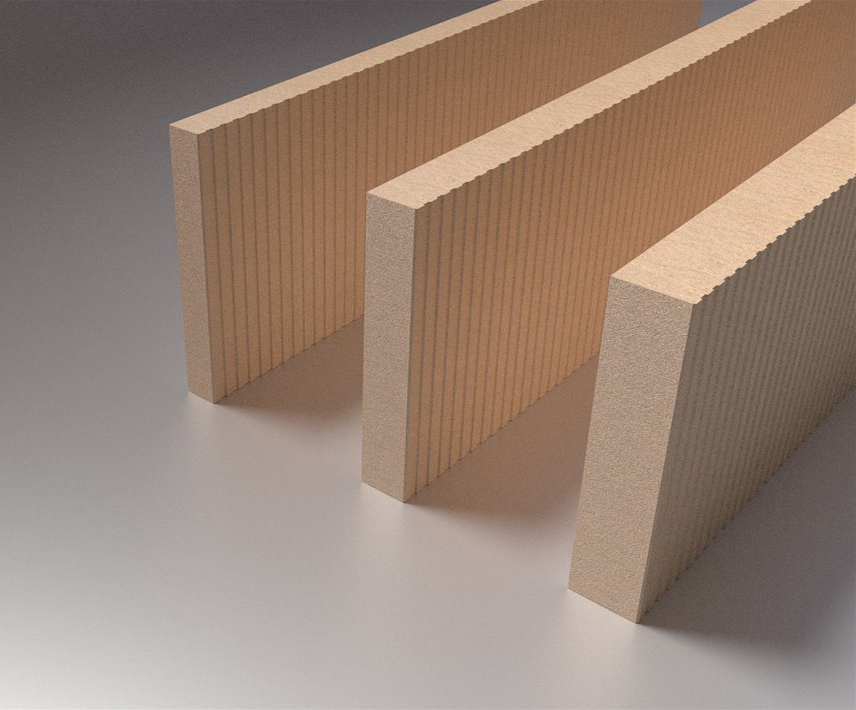
Vermiculite boards are made with densities ranging from about 300 to 500 kg per cubic meter and work great as fire resistant materials for walls, floors, and ceilings where fire protection matters most. Proper installation gives these boards fire resistance ratings of around 4 hours, which means they can trap flames, hot air, and dangerous smoke inside specific areas during fires. When it comes to places where pipes or cables pass through walls, special sealants mixed with vermiculite offer extra protection. These sealants expand when heated, filling any cracks or spaces between building components while holding their shape even when exposed to intense heat. The combination of board material and expanding sealant helps stop heat transfer across structural elements and keeps compartments intact during fires. Real world tests have shown that this system can cut down on property damage by roughly 45% compared to traditional methods according to various fire safety research papers published recently.
Selecting and Specifying Industrial-Grade Fireproof Vermiculite for Consistent Risk Mitigation
Grade Differentiation: Density, Cohesion, and Hydration Stability Impact on Long-Term Integrity
Choosing the right vermiculite grade matters a lot when it comes to keeping buildings fire resistant throughout their lifespan. The density plays a big role here. Vermiculite that's denser than around 500 kg per cubic meter gives better insulation properties, though this requires extra work on preparing the surface where it will stick properly. When talking about how well the material holds together, standards like ASTM C423 come into play. These tests tell us if the product can handle things like earthquakes shaking the building, temperature changes happening day after day, and physical impacts from people or equipment moving around. Another important factor is how stable the material stays when exposed to moisture. Special testing procedures simulate long periods of damp conditions to see what happens. Without good hydration stability, problems like swelling, getting too soft, or peeling away become real risks in places where humidity levels fluctuate or where occasional water exposure occurs.
| Density Grade | Thermal Performance (ASTM E119) | Cohesion Rating | Best Application Context |
|---|---|---|---|
| Low (≤400 kg/m³) | ≥90 min fire rating | Moderate | Non-load-bearing partitions |
| Medium (401–499 kg/m³) | 90–120 min fire rating | High | Structural steel spray systems |
| High (≥500 kg/m³) | ≥120 min fire rating | Exceptional | High-moisture industrial settings |
When specifying materials for fire protection, look for those certified by independent labs against standards like ASTM E119 and EN 1363-1. Using the wrong grade matters a lot - especially when low density materials end up in structural applications where they simply won't hold up. Recent studies from Fire Safety Journal in 2023 showed that this mismatch can cut actual fire resistance down by around 40%. For critical infrastructure projects, go with vermiculite based systems that come with proper hydration stability testing behind them. These systems tend to last much longer without needing maintenance while still providing solid passive fire protection over many years of service.
FAQs about Fireproof Vermiculite
What is the primary mechanism by which fireproof vermiculite provides protection?
Fireproof vermiculite works through endothermic expansion and steam-cooling mechanisms, forming a protective layer and slowing heat transfer.
How does vermiculite compare to regular materials in terms of heat transfer?
Vermiculite reduces heat transfer by over 50%, compared to regular non-reactive materials, making it highly effective for passive fire barriers.
What fire resistance standards does vermiculite comply with?
Vermiculite complies with international standards such as ASTM E119 and EN 1363-1, offering up to four hours of fire protection in certain applications.
Can fireproof vermiculite be applied to structural steel?
Yes, spray-applied vermiculite coatings are used for protecting structural steel, providing thermal barriers and meeting building codes effectively.
Why is selecting the correct grade of vermiculite important?
Selecting the correct vermiculite grade ensures effective long-term fire resistance, with factors like density, cohesion, and hydration stability affecting performance.
Table of Contents
- How Fireproof Vermiculite Achieves Reliable Passive Fire Protection
- Strategic Applications of Fireproof Vermiculite in Structural Fire Safety
- Selecting and Specifying Industrial-Grade Fireproof Vermiculite for Consistent Risk Mitigation
-
FAQs about Fireproof Vermiculite
- What is the primary mechanism by which fireproof vermiculite provides protection?
- How does vermiculite compare to regular materials in terms of heat transfer?
- What fire resistance standards does vermiculite comply with?
- Can fireproof vermiculite be applied to structural steel?
- Why is selecting the correct grade of vermiculite important?