 EN
EN

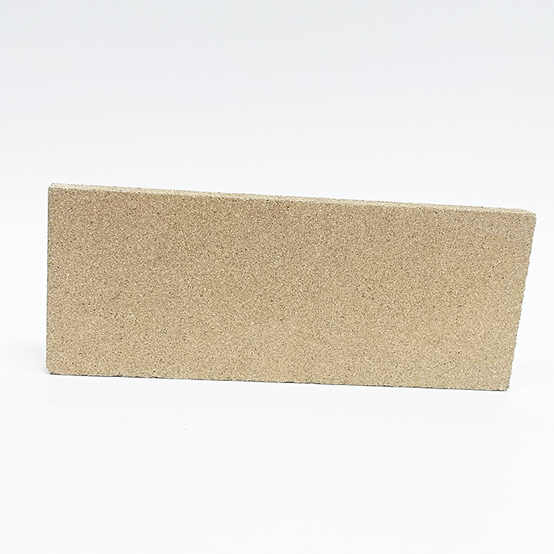
Sammensætning og vigtige refraktære egenskaber for refraktær vermiculitplade
Ekspanderet vermiculit: Den termisk stabile strukturelle matrix
Den primære byggeklods for ildfaste plader er eksfolieret vermiculit, som kan udvide sig op til tredive gange sin oprindelige størrelse, når den udsættes for varme, og derved danne et let, men stabilt gitterstruktur. Det, der gør dette materiale særligt, er dets unikke laget silikat-sammensætning, som fungerer som små luftlommer fanget mellem lagene og holder tingene isoleret, selv under intens varme, uden at miste formen. Når materialet udsættes for høje temperaturer under brande eller andre termiske begivenheder, frigiver det faktisk vanddamp, der er lagret i dets struktur, via en såkaldt faseændringsproces. Dette absorberer ikke kun en stor mængde varmeenergi, men forbedrer også brandbeskyttelsesevnerne betydeligt. Desuden vejer plader fremstillet af vermiculit typisk 40–60 % mindre end plader fremstillet af konventionelle keramiske fiberisolationsmaterialer, da vermiculit i sig selv er naturligt let.
Bindemidler til høj temperatur: Silikatbaserede versus organiske-fri systemer
Uorganiske binde midler som kalium- og natriumsilikater holder materialer sammen uden at kompromittere deres varmebestandighedsegenskaber. Organiske harpikser nedbrydes, når temperaturen når ca. 300 grader Celsius, og frigiver farlige gasser, men silikatbinderne forbliver stabile, selv ved over 1000 grader Celsius. Når de opvarmes, dannes der stærke, glaslignende keramiske forbindelser, der er holdbare. Da disse formuleringer ikke indeholder nogen organiske bestanddele, frigives der ingen giftige gasser ved ildpåvirkning. Det gør dem absolut nødvendige til kritiske sikkerhedsanvendelser, hvor menneskeliv står på spil – herunder f.eks. passive brandbarrierer i bygninger og beskyttende forklædninger i ovne, der anvendes i metalproduktionsprocesser.
Kritiske refraktære parametre: driftsgrænse ved 1100 °C, modstandsdygtighed mod termisk chok og lav varmeledningsevne (0,07–0,12 W/m·K)
Refraktære vermiculitplader leverer fremragende termisk ydeevne inden for tre gensidigt afhængige parametre:
- driftsgrænse ved 1100 °C kontinuerligt , hvilket gør det velegnet til pålidelig brug i industriovne og miljøer med høj temperaturbehandling
- Fremragende modstandsdygtighed mod termisk chok , hvor det overlever mere end 50 hurtige cyklusser fra 800 °C til omgivelsestemperatur uden revner eller bladning
- Ultra-lav termisk ledningsevne (0,07–0,12 W/m·K), hvilket er bedre end calciumsilikat (0,15 W/m·K) med ca. 40 % og svarer til eller overgår mange keramiske fiberprodukter
| Ejendom | Vermiculitplade | Keramiske fibre | Kalciumsilikat |
|---|---|---|---|
| Max Temp | 1100°C | 1260 °C | 1000 °C |
| Ledningsevne | 0,07–0,12 W/m·K | 0,15 W/m·K | 0,15 W/m·K |
| Varmeskæl | Fremragende | God | Moderat |
| Tæthed | 500–700 kg/m³ | 200–300 kg/m³ | 800–1000 kg/m³ |
Denne afbalancerede profil muliggør opvarmningshastigheder i ovne, der er 20 % hurtigere, og op til 35 % reduktion af driftsrelaterede energitab sammenlignet med konventionelle isoleringssystemer (Industrial Heating Journal, 2023).
Industrielle anvendelser af ildfast vermiculitplade i højtemperaturprocesser
Metallurgiske forklædningsløsninger: stålskruer, elektrolyseovne og styring af cykliske termiske belastninger
Vermikulitplader, der er fremstillet til refraktære anvendelser, anvendes i alle mulige industrielle miljøer, såsom stålskåle, elektrolyseovne og de kontinuerlige støbesystemer, som vi ser overalt i dag. Disse miljøer udsætter materialer for konstante temperatursvingninger og ekstremt høje temperaturer dag efter dag. Hvad gør netop denne plade så særlig? Den holder sammen, selv når temperaturen overstiger 1100 grader Celsius. Desuden sprækker eller blæser den ikke let af, trods gentagne opvarmnings- og afkølingscyklusser. Den termiske ledningsevne ligger omkring 0,07 W pr. meter Kelvin, så mindre varme slipper ud gennem siderne af den beholder, som pladen beklæder. Det betyder, at anlæg sparer mellem 15 og 20 procent på energiomkostningerne. Og lad os ikke glemme kemien enten. Materialet reagerer ikke med smeltet metal eller de aggressive slagger og fluksmidler, der cirkulerer i systemet. Dette giver det en langt længere levetid end almindelige refraktære materialer – nogle gange næsten dobbelt så lang, inden det skal udskiftes.
Keramiske og varmebehandlingsovnssystemer: Bilisolering, ildfast beskyttelse af ovnens bund og forbedret energieffektivitet
Vermikulitplader fungerer fremragende som isoleringsmateriale inden i keramiske ovne og de specialiserede varmebehandlingsenheder. Materiallet er ekstremt letvægtigt, så det påvirker den bærende konstruktion kun minimalt. Det afgørende er dog, hvor stabil det forbliver ved høje temperaturer, idet det sikrer en konstant temperatur gennem hele afbrændingscyklussen – hvilket gør alt det store forskel for at opnå ensartede produkter fra ovnen. Produktionsanlæg, der har skiftet til dette materiale, oplever typisk en energiforbrugsreduktion på ca. 25–30 % efter installation, da der nu undgås betydelig varmetab gennem vægge og gulve. Et andet stort plus? Der udvikles ingen skadelige dampe ved opvarmning, så materialet opfylder alle krav til sikkerhedsstandarder fra OSHA og EU-regulativerne for industrielle opvarmningsområder.
Ildfast vermiculitplade til passiv brandsikring og byggesikkerhed
Strukturel stålindkapsling og brandsikring af indgange
Vermikulitplader fremstillet af ildfaste materialer er afgørende komponenter i passive brandsikringssystemer, især ved omkapsling af konstruktionsstål eller oprettelse af brandspærringer ved væg- og gulvåbninger. Stålkonstruktioner, der er beskyttet af disse plader, forbliver køligere længere, fordi de bremser, hvor hurtigt temperaturen stiger. Uden sådan beskyttelse begynder stål at miste omkring halvdelen af sin styrke, når det når ca. 550 grader Celsius. Materialet fungerer så effektivt delvis på grund af dets lave varmeledningsevne, hvor værdierne for varmeledningsevne typisk ligger mellem ca. 0,07 og 0,12 watt pr. meter Kelvin. Denne egenskab hjælper med at forhindre udbredelse af varme gennem bygningskonstruktioner i mere end en time i de fleste tilfælde. Når der er tale om rør, kanaler eller kabler, der går gennem vægge og gulve, opretholder brandspærringer baseret på vermiculit fortsat tætte forseglinger, selv når materialerne udvider sig kraftigt under varmebelastning. Dette forhindrer farlige flammer og røg i at sprede sig mellem forskellige dele af en bygning. Mest vigtigt opfylder disse brandsikringsløsninger vigtige branchestandarder som EN 1366-1, BS 476 og ASTM E814, uden at øge vægtbelastningen på eksisterende konstruktioner betydeligt.
Hvorfor ildfast vermiculitplade overgår alternativer: kemisk inaktivitet, stabilitet og bæredygtighed
Det, der adskiller refraktær vermiculitplade fra almindelige isoleringsmaterialer, er dens fremragende kombination af ydeevne, sikkerhedsfunktioner og miljøvenlighed på én gang. Fremstillet af naturlige mineraler nedbrydes dette materiale ikke ved kontakt med syrer, baser, opløsningsmidler eller endda smeltede salte, hvilket gør det særligt velegnet til krævende miljøer såsom kemiske anlæg og metalbearbejdende faciliteter. Calciumsilikat og keramiske fibre kan simpelthen ikke klare sig under lignende forhold. Vermiculit bibeholder sin strukturelle integritet selv ved pludselige temperaturændringer, så der ikke er behov for hyppig udskiftning på grund af, at dele spalter af eller bliver sprøde over tid. Varmeledningsevnen forbliver under 0,12 W/m·K, hvilket betyder, at den isolerer ca. 30 % bedre end almindelige mineraluldprodukter på markedet i dag. Dette giver reelle besparelser i energiomkostningerne for driften af anlæg, der kører døgnligt. Fra et miljømæssigt synspunkt indeholder disse plader ingen syntetiske kemikalier eller VOC’er, der kunne udvaskes over tid. De er også genbrugelige ved udløbet af deres levetid. Fremstillingsprocessen undgår de højtempererede behandlingsfaser, der kræves ved keramikproduktion, hvilket reducerer kulstofaftrykket med ca. 40 %. Desuden genererer transporten færre emissioner, da de er lettere end alternative materialer, og installatører finder dem langt nemmere at håndtere – især vigtigt for bygninger, der gennemgår renovering, eller som ligger i jordskælvsskårede områder, hvor vægtbegrænsninger er afgørende.
Ofte stillede spørgsmål
Hvad er brandsikker vermiculitplade fremstillet af? Ekspanderet vermiculit er den primære bestanddel, som udvider sig ved opvarmning og danner en stabil, let vægtstruktur.
Hvorfor anvendes silikatbaserede binde midler i disse plader? Silikatbaserede binde midler anvendes, fordi de tåler høje temperaturer uden at frigive giftige gasser, i modsætning til organiske harpikser.
Hvad er temperaturgrænserne for brandsikre vermiculitplader? De kan tåle op til 1100 °C, hvilket gør dem velegnede til industrielle anvendelser med høj varmebelastning.
Hvordan bidrager vermiculitpladen til energieffektivitet? Vermiculitplader har lav termisk ledningsevne, hvilket reducerer varmetab og driftsrelaterede energiomkostninger med op til 35 %.
Er brandsikre vermiculitplader miljøvenlige? Ja, de er fremstillet af naturlige mineraler, indeholder ingen skadelige kemikalier og er genbrugelige.
Indholdsfortegnelse
- Sammensætning og vigtige refraktære egenskaber for refraktær vermiculitplade
- Industrielle anvendelser af ildfast vermiculitplade i højtemperaturprocesser
- Ildfast vermiculitplade til passiv brandsikring og byggesikkerhed
- Hvorfor ildfast vermiculitplade overgår alternativer: kemisk inaktivitet, stabilitet og bæredygtighed
- Ofte stillede spørgsmål