 EN
EN

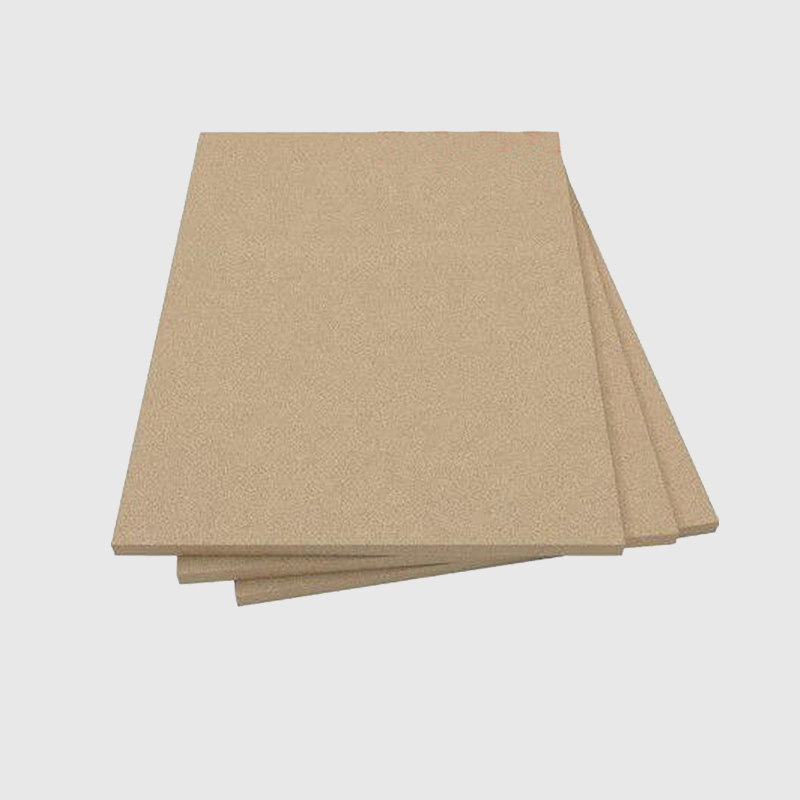
Kòman Pwoplè Vèmikilyit ki Rèzis anpil kont Fòk Lafe Rèzis Natirèlman
Striktir Vèmikilyit Ekspandyi: Izolasyon Natirèl ak Estabilite Endotèrmik
Pwopryete rezistan fè a vermiculite vin nan mineral natirèl la menm, ki kapab ekpann apwoksimativman 30 fwa volim orijinal li lè li ekpoze a chalè pa yon pwoses ki rele eksfoliasyon. Sa ki rive se ke ekspansyon sa a fòme yon estrkti estab ak anpil ti pòkè a e non sèlman, sa ki fè li twò bon pou bloke chalè. Vale izolasyon tèmik la varye ant 0,062 ak 0,085 W/mK, sa ki anpil pi bon pase materyo gips regilye d’apwoksimativman 60 pousan. Yon bagay enpotan sou vermiculite se konbyen li kapab absobe chalè. Anplis ke pèmèt chalè a travese, li konvèti chalè a an vapo d’è wèyman. Kombinason sa a fè mèvèy pou konsèrve fòs estriktiral menm so kondisyon ekstrem. Test montre ke plak sa yo kapab sipoze tanperati jiska 1200 degre Sèlsiyis san kolab, donk bati yo yon pwoteksyon ekstra kont fe a longe dure.
Pa Kombistiblite ak Pa Pwogresyon Flanm: Eksplikasyon Sètifikasyon A1/Euroclass
Tablo vèmikilèt ki reziste a fè a pa brile paske li fè toutan ak materyo inorganik san okenn liant oswa kominan organik mèlè nan. Tablo sa yo te resevwa notasyon Euroclass A1 pi bon anpil sèlon nòm EN 13501-1, sa vle di yo pa pral difize flama, yo pa ajoute nan chèk fè a, epi yo pwodui preske pa gen fimen oswa gaz nòsèl lè yo ekspozé a chalè. Lè yo teste yo nan fòn nòmal sèlon direksyon EN 1363-1, tablo sètifye sa yo kenbe fòm ak entegrite yo pou plis de de èdtan siksèsif. Nivel prestatyòn sa a fè yo yon bon chwa pou aplikasyon proteksyon pasif kont fè a, lè konsèrvasyon paseyajè aè klè, bon vizibilite ak bon kòmpatimantisyon ant zòn se esansyèl pandan evakiasyon d'emerjans.
Vèifikasyon Pèfòmans Kont Fè a: Nòm Enpotan Test ak Notasyon Nan Mond Rèy
EN 13501-1, ASTM E136, ak BS 476: Sa Chak Nòm Meze pou Tablo Vèmikilèt Ki Reziste a Fè a
Test endepandan pèmèt nou gen konfyans ke pwodui yo fonksyone de fason reliab pou sèvi ak regilasyon sekirite kont fe a nivo mondial. Pren EN 13501-1 kòm egzanp, ki ekize kòman materyo yo bren, pwodui fimen epi si yo lache patikil ki bren oswa non. Plak vermiculite yo kontinye resevwa bon not sou sa a paske yo klasifikye A1. Aprè sa a, gen ASTM E136 kote echantiyon yo mete so yon chalè fò nan enviròn 750 degre selisyis pandan yon demiè or. Kisa ki rive? Vermiculite pa pran fe a tout epi li kenbe tanperati yo pa monte plis pase 50 degre anpil pase nivo ambyan. Pou test BS 476 Parti 6, pwodiktè yo fè yon test fòn nan yon longè de 1,5 mèt pou wè kòman flanm yo kapab pral transvèsalman sou sifas yo. Pwodui vermiculite de pi bon kalite yo pase test sa a san pwoblèm, atennn nivo klas 0 (mwens pase 12 pwen endèks), sa vle di yo prezante mwens riske fe. Tout ti estanda sa yo ansanm bay nou yon imaj kominisyon tou bon sou kòman materyo yo kondwit yo lè yo ekspoze a kondisyon fe a.
| Estanda | Metrik Prensipal | Sewil Pèfomans |
|---|---|---|
| EN 13501-1 | Kombistibilite/Toksisite Fim | A1 (Pa Kombistib) |
| ASTM E136 | Estabilite Striktiral Lè Kè chalè a sèv | monte tempèratir sifis ≤50°C |
| BS 476 Pati 6 | Pwogresyon Flanm Latèral | Klas 0 (Kategori Risk Pi Bòs) |
EN 1366-1 ak UL 263: Pèfòmans Asanblaj Rezistan Fò a nan Mò, Sòl ak Plafon
Lè nou pale de rezistans ak fòk, sa ki enpòtan anpil se pa sèlman materyo yo men kòman diferan kominponan yo travay ansanm lè yo ekize nan sitiyasyon fòk reyèl. Nòm EN 1366-1 analize plak vermiculit ki itilize nan pènètrasyon ki reziste fòk, tankou tib ak kab. Plak sa yo dwe kenbe tanperati sou bò ki pa anpil fòk anpil pi ba ke 180 degre Sèlsis pou yon periòd ki soti nan mòtè a de è. Yon lòt esè enpòtan se UL 263, ki esè ase menm jan ak ASTM E119. Esè sa a vire sou parèy, sòl ak plafon konplè sòt sòt kondisyon chaje ki imite sa ki riv lè batis yo sibis nan presyon pandan fòk yo. Plak vermiculit bon kalite ede kenbe kominan pa kenbe transfè kachè anpil pi ba ke 163 degre Sèlsis (o swa 325 degre Farenhayt) sou sifas ki pa ekize pou yon periòd ki soti nan yon è a kat è. Lè nou sipoze tou lè de nòm sa yo, sa bay nou konfyans nan sistèm pwoteksyon pasif kont fòk. Yo reta kolaps struktirèl epi bloke flàm ak fiman pou pa pral atravè batis yo, sa ki fè tout diferans la nan sitiyasyon emerjans.
Aplikasyon pratik Pwoteksyon Kont Fe a pa Vèmikilèt
Enkapsilasyon Striktirèl: Pwotèje Poutè ak Kolòn Bètòn
Plak vermiculit rezistan fè a envilòp pout pou akòlòn konkrè tankou yon kouvèti pwotèktè, sa ki ralanti vitès kote chalè a monte nan pati sa yo ki fè sòti struktirè a. Paske yo konduk chalè anpil pi mal pase lòt materyèl, plak sa yo kapab kenbe pout akòlòn metalik yo anpil mwens pase 500 degre Sèlsiyis pou plis pase de è, sa ki vle di bati yo kapab kenbe fòs yo epi sipòte pèzo yo menm pandan yon sikilè. Tip pwoteksyon sa a respekte tout nòm sekyite kont fe a nesesè epi li bay moun plis tan pou sòti an sekirite tandis ke pyònè yo fè travay yo. Sa ki fè plak sa yo sèlman itil se lejè a yo kombine avèk konstrikisyon sòlid yo. Yo fasil pou instale pase lòt opsyon ki pi lou, espesyalman lè yo amelyore bati anpil anpil. Pou bati komèsyal ki gen plis nivo ak atelye kote entegrite struktirè a se pi enpotan, pwodui sa a te vin yon opsyon premye malgre kòt inisyal li.
Klavè ak revètman pou kouran ak kominisyon nan zòn ki gen riske eleve kont sikilè
Pou bati nan zòn ki sijè a fey bonm, plak vermiculite ki reziste a fè a fè dobl fonsyon: yo sèvi kòm revêtman eksteryè ak revêtman pou kavèn vètikal. Plak sa yo pa pèdi kontèn anpil paske yo klasifikye A1 (pa kòmbistib), donk yo kapab reziste kont eskansyon ki sòti de dèbri ki brile ak radiyasyon kach chalè enportan. Lè yo instale nan kavèn asansè ak zòn itilite, materyal sa a kreye kominisyon ki reziste a fè a fè ki bloke pwogresyon flanm yo vès nivo siperiè ak pi bon tout fiman nan lè yo kòmanse. Sa a enpotan anpil pou instalasyon kritik tankou ospital, sèntè kòmandè èmèjans ak entrepò distribisyon ki situe prè zòn bòis. Plak sa yo kapab sibi tanperati ki depase 1100 degre Sèlsiyis san yo pa sòti gaz nòsif. Anplis, desenè bati apresie versatilite materyal sa yo paske yo travay byen sou sifas kourbe ak yo konbine bonman avèk finisyon mò koutè sènza nenpòt pwoblèm ekstras.
Koman Kote
-
Kisa ki konpoze plak vermiculite ki reziste a fè a fè?
Tab vermiculite ki reziste a fè a fè ak vermiculite eksfolie, yon mineral natirèl konn pa ekspande lè li chofe, sa ki fòme yon estrkti rezistante a chalè ak pòkè a e. -
Kouman tab vermiculite a reyisit nan test rezistans a fè a?
Tab vermiculite a reyisit tre byen nan test rezistans a fè a tankou EN 13501-1, ASTM E136 ak BS 476 Pati 6, montre ke li pa kombine, pwodui kantite limi fimen ak etenyon flanm minimal. -
Kilès se aplikasyon pratik tab vermiculite ki reziste a fè a?
Tab sa yo sèvi pou enkapsile struktirè pou pout ak kolòn beton, revetman eksteri nan zòn kote riske inkesyon se wòl, ak lin d'asansè pou proteksyon suplimantè kont fè a. -
Poukisa chwazi vermiculite anplis lòt materyèl ki reziste a fè a?
Vermiculite ofri rezistans superiè a fè a, konstrikson lejè, fasilite instalasyon ak mizè minimè entretien parapò ak lòt materyèl tradisyonèl ki reziste a fè a.