 EN
EN

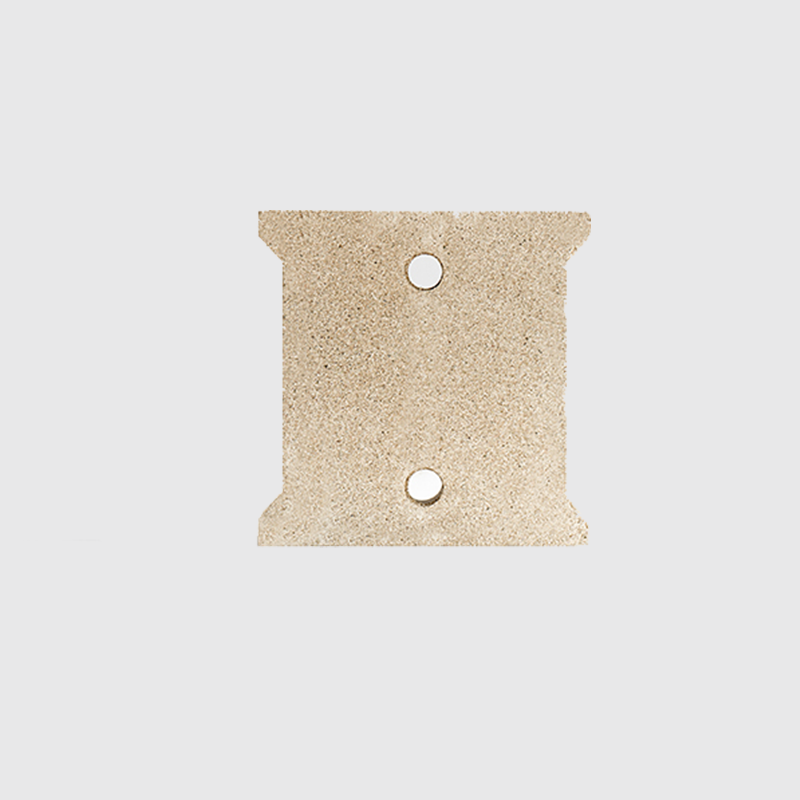
Kif il-Wara tal-Vermikulita Tikkisbu Resistenza Eċċezzjonali għall-Nar u Insulazzjoni Termika
Stabbiltà Ddriżzja mis-Silġ: Tista' Tisħaħ Temperaturi sa 1200°C
Il-proprjetajiet kontra l-ħarru tas-sħaħ ta' vermiculite jinħolqu minn proċess naturali li jisemmu 'exfoliation' (esfoljazzjoni). Meta jintużaw b'ħelsien, iż-żerrieqa ta' vermiculite ġewwija jikbru ħdejn 30 darba l-bidu tagħmel għalkemm il-baġel bejn il-layers jittrasforma f'steam u jipuża dawk il-layers ħejjen. Li nikkisbu wara din l-espanżjoni huwa xi ħaġa ħafna straordinarja: materjal stabbli li jkun ħeli l-baġel ħafna ż-żgħar li ma jibru xejn. Din il-barriera speċjali tista' tibqa' ħajja anke meta t-ta' tispiċċa madwar 1200 ċelzju, li hija aktar bil-biża' minn li l-biżut tal-aċċa jew il-ħadid strutturali jistgħu jibdul. U tibqa' ħajja ħafna itwal kontra l-ħsara mir-riħ minn materjali ta' inżulazzjoni normali. It-testijiet juri li l-biniżi protetti b'dan il-layer esfoljat jagħmlu li n-nies ikollhom iktar ħin biex jieħdu seħħ meta jkun hemm ħarru, għalkemm il-biżut tal-aċċa jibdul iktar minn 90 minuta tard skont istandards ASTM E119. Dan ifisser evakwazzjonijiet iktar siguri u ħażna itwal għall-biniżi kontra eventi ta' ħarru intensi.
Protezzjoni ta' Żewġ Stadi: Iż-Żvela Endotermika tal-Baġel u l-Bassa Konduttività Termika
Bis-sħiħ, hemm tnejn il-modi kif il-vermiculite tirreżistu l-baħar, li jaġmlu ħidma ħadra b’ħaddan biex jipproteġu l-bini. Il-materjal għandu ilma mgħallaq ġewwa l-istruttura kemika tagħmel, li jittrasforma f’stejma meta jisba’ il-baħar. Din il-proċess ifaċilita l-assorbiment ta’ ħafna enerġija termali, u b’hekk ittajja l-isuperfiċi li tkun qed tipproteġi. Li jseħħ wara dan huwa wkoll importanti ħafna – din il-bidla fil-istat iżda jinħallu l-ħaġa ħdejnha jisba’ b’mod itwal, li jippermetti l-bini li jkollu minuti eżtra prezzjużi qabel ma l-baħar jibda jinħadem b’mod serju. Id-difa tas-seħħa tajt mis-seħħa t-tieni li tajt mis-seħħa tal-vermiculite meta tisba’, li toħloq strata ta’ izolament b’kunduttività termali bejn 0.10 u 0.20 W/mK. Dan huwa b’fatt simili għal dak li nirraħħas fis-soffiċi tal-aerogel sofiċati li jintużaw f’applikazzjonijiet ta’ teknoloġija għolja. Meta jiġu ħaġħlu flimkien, dawn il-proprjetajiet iżżidu l-ħsara tat-trasferiment tat-temperatura b’madwar is-70% paragun mal-wool minerali normali jew bil-board ta’ ġipsu. Il-bini jibqgħu ittajjin għal perjodi itwal, u jibqgħu ħofra minn it-temperaturi fejn ibda jiffrakka strutturalment. It-test juri li l-wrappi tal-vermiculite jżommu l-livelli tas-smokk kontrollati, b’opacità inqas minn 5%, u b’hekk jipproteġu wkoll kontra l-flashovers, li għalkemm hekk ħafna kodiċi tal-bini issa jispeċifikaw l-użu tagħhom f’aree kritiċi.
Wara ta’ Vermikulita fis-Sistemi ta’ Protezzjoni Minn Nar Passiva għall-Integrità Strutturali
Ikkapsulament ta’ Ħadid: It-Tul tal-Iżda tal-Falliment taħt Esposizzjoni għan-Nar
Il-wara ta' vermiculite ġiet ikkunsiderata bħala l-biżża tal-għażla għall-protezzjoni tal-ħadid strutturali mis-silġ minħabba kif tirreġisce mal-bħal f'tnejn modi differenti. Meta tisposa għall-flammi, il-moistura ġewwa tibdel f’stejem, li b’ħaddan it-taħmil minflok li jippermetti lilu li jasal għall-metall ta’ is-soltu. F’istess ħin, il-materjal jinżel u joħloq strata ta’ izolament li ma tikkonduċix it-taħmil ħafna (madwar 0.06 sa 0.12 W/mK). Din iż-żona protettiva tibqa’ intatta anke meta t-tempuraturi jgħmelu aktar minn 1200 darba ċiżju. Li jagħmel dan is-sistema tant effettiva hija li dawn l-effetti konbinati joħloqu vera ħajja termali. Dan jibbass il-veloċità bil-liema it-taħmil isir ħdejn il-kumpunenti strutturali, u jżda l-forza tagħmel ħafna it-tul milli ma jitlobux il-kodiċi tal-bini. Testijiet li jseħħu skont istandards ASTM E119 jappoġġjaw hekk ukoll. Iż-żwiemel tal-ħadid imballati b’mud mill-biżża b’vermiculite jistgħu iżżommu l-forza tagħmel għalkemm 90 minuta matul kondizzjonijiet ta’ silġ tipiċi.
Assemblaġġi Mkassra: Jissodisfaw ASTM E119 u EN 1364 għall-ġdied, il-biċċiet u s-soffitti
Il-fojji ta’ vermiculita jilgħubu ruolu ewlieni f'bħala sistemi ċertifikati ta’ protezzjoni passiva kontra l-baħar li jintużaw f’ħitan, soqof u installazzjonijiet ta’ soqof sospendi li naraw b’sħiħ. Dawn il-materjali jistgħu jirresistu l-baħar għal perjodu li jvarja minn nofs siegħa sal-ittnej siegħat sħiħa skont kif huma applikati. Il-proċess tat-test għal dawn is-sistemi jsegwi standards internazzjonali strikti. ASTM E119 tifhem jekk il-bini jista’ jibqa’ jisħħel il-piż matul il-baħar, filwaqt li EN 1364 tifhem jekk il-ħitan u s-soqof jibqgħu interi u jiksbu l-baħar meta ma jkunx hemm piż involut. Meta l-manifatturijiet jiksbu ċertifikati ta’ partija t-tielet, dan ifisser bbażikament li l-prodotti ta’ vermiculita tagħmel separtur bejn differenti żoni, jistoppjaw il-probabilità li l-flami u s-smog jisperdu madwar, u l-aktar importanti, iżda jżammu l-irtirati tal-emerġenza ħielsin anke meta jkun hemm baħar. Li jkunu sodisfatti dawn istandards mhux biss prattika tajba. Il-kodiċi tal-bini fit-toroq bil-biża’ jitlobu din it-tip ta’ protezzjoni, l-assiguraturi jixtiequ prova li tkun ħadra, u ħadd ma jixtieq li jwetta’ l-problemi li jinġeneraw minn użu ta’ soluzzjoni arbitrarija li m’għamlithx it-test b’mod adegwat.
Applikazzjonijiet Industrijali u Kommerċjali tas-Silġ ta' Vermikulita għall-Iżolament Kontra l-Baħar
Iżolament ta' Iż-Żda Ħajja: Bollituri, Forni, u Sistemi ta' Ventilazzjoni
L-attrezzaturi industrjali li jibżgħu b’ħoss b’sħiħ il-jum, b’mod tipiku iktar minn 1200 darba ċielsju, spiss jintużaw biex jiġu protetti bil-wrapp ta’ vermiculita. Iżda tifkru fil-bollituri, fil-forni, u d-dutti kbir li jċaqlu l-ajru super-bżegħan madwar il-fabriki. Liema ħaġa tagħmel il-vermiculita speċjali? Beh, hija bbażikament materja li ma tinfiammaxxux li tespandi meta tisħan, u b’dan toħloq struttura multilayer. Din id-disinn inaqqas it-taqsija u t-trasferiment tat-ħoss bejn is-60 u s-70 percent b’konfront mal-metodi antiki bħall-wrapp ta’ refractory jew it-taħżin bil-ċement. Ir-riżultat? Is-saffi tal-attrezzaturi jibqgħu ħafif biżżeft biex jiġu mmissin b’sigurtà, filwaqt li jintużaw inqas enerġija b’mod totali. Għall-isistemi ta’ ventilazzjoni f’postijiet fejn jiġu ppresi kemikali, il-vermiculita għandha rol importanti oħra bħala ħażżan ta’ nar. Tistenna l-flamiżzi li jipprova jgħaddu mis-sistema tad-dutti matul l-ewlieni. Il-kostruzzjoni ta’ dawn il-materjali toħloq ħafna iktar malajr milli b’opzjonijiet rigidi ta’ ċement ukoll. Il-lavoraturi japprezza kif huma ħafifa, kif huma faċli li jinbnew u jinqasem bil-għodod manwali normali, li jisspeċjalizza l-ħin tal-installazzjoni b’madwar is-30 percent skont ir-rapporti mis-sit.
Barrieri Ħajjin Modulari f’Ċentri tad-Data u l-Infrastruttura tal-Enerġija
Il-panelli ta’ vermiculita prefabbrikati jippermettu l-installazzjoni ħafifa ta’ barrieri kontra l-ajjar f’ambjenti importanti tal-infrastruttura. Għall-biċċa ta’ data centers speċifikament, dawn il-muri u s-soqof modulari joffru madwar 90 minuta ta’ protezzjoni kontra l-ajjar li b’hekk jaqbdu lil hinn mir-rekwiżiti tal-NFPA 75 għall-protezzjoni tal-elettronika. Barra minn hekk, jifunzjonaw tajjeb ma’ kollu l-kabli u l-biżżejjed ta’ manutenzjoni li jġibu mal-biżżejjed ta’ dawn il-faċilitajiet. Il-projetti tas-sektor tal-enerġija jibbenefikaw ukoll minn dawn il-materjali meta jibnu oġġetti bħal muri għat-trasformaturi, inklużjoni għat-turbini, u ħejji li jkunu fihom batteriji. Is-sħiħ ta’ installazzjoni jgħin ħafna li jitnaqqas it-tempu li l-operazzjonijiet ikollhom b’silġ għall-aġġornamenti. Iżda ħu bħala eżempju waħda mill-biċċa tal-impjanti tal-enerġija fil-Bidu l-Bharin li ġew reżentement immodifikati b’dawn il-panelli. Dawk il-panelli ġew awwtorizzati bil-certifikat EN 1364 u ġew isparati madwar iż-żieda ta’ 40 fil-mija paragona mal-metodi tradizzjonali. Għaliex? Ġew meħtieġa inqas manodopra, ma kienx hemm perjodu ta’ stenn għall-materjali li jisħan, u l-panelli jibqgħu jfittxu b’mod effettiv anke meta esposti għall-moistura, il-korruzjoni, u t-tibdil marbuta tar-temperatura li jseħħu ħafna drabi bil-ħin.
Benefiċji Prattiċi: Installazzjoni, Durata u Konformità mal-Kodiċi tal-Wara tal-Vermikulita
I-warqas ta’ vermiculite jġibbu valur reali għall-projetti ta’ kostruzzjoni matul il-biċċa kollha tal-ħajja tagħhom. B’pissa li hija madwar 30% inqas mill-materjali tradizzjonali bbażati fuq il-ċement għall-protezzjoni kontra l-barru, dawn i-warqas ifaċilitaw il-ħajja għal kulħadd li jinvolvi. Jinqasem faċilment b’knifiżi komuni jew b’forzi, u m’hemm ebda bżonn għall-użu ta’ oġġetti speċjali jew ta’ teknIċi esperti biex jiġu manipulati fis-sit. Li jagħmel il-vermiculite differenti minn oħra opzjonijiet ta’ izolament bħal prodotti organiċi jew bbażati fuq il-fibras huwa l-kapaċità tagħmel kontra l-ħsara minn ilma, il-problemi tas-silġ u l-attakkji ħimIċi. Dan ifaċilita l-użu tagħmel f’kundizzjonijiet diffiċli fejn il-moistura hija ħażina ħafna, bħala l-plattformi tal-petrolju barra mis-seħħer, iċ-ċentri tat-trattament tal-ilma mistaħ, jew il-fabbrIki ħdejn il-baħar bil-malta. Il-materjal jaqsam ukoll it-tutti t-testijiet internazzjonali ewlenin għall-protezzjoni kontra l-barru, inklużi r-rekwiżiti ASTM E119 u EN 1364 għall-protezzjoni ta’ strutturi ta’ aċċaј, ħitan, soffits u anke sistemi ta’ ventillazzjoni. Għall-arkitetti li jiddisjanu l-bini u għall-kuntratturi li jimmexxu l-kostruzzjoni attwali, dan ifisser li hemm prodott wieħed li jissodisfa kollu r-rekwiżiti tal-kodiċi tal-bini filwaqt li joffri protezzjoni provata kontra l-barru, firmità li tiddumu ħajja twila, u anke jisspeċifika t-taħdit tal-projett mingħajr ma jikkumprometti n-nivel ta’ sigurtà jew il-konformità mal-regolamenti.
FAQs
X'inhu l-Vermikulite?
Il-vermiculita hija mineral natural li jespande meta jisħen, u b’hekk joħloq materjal ħafif li jintużat għall-insulazzjoni u l-protezzjoni kontra l-barruk.
Għala tintuża l-vermiculita għall-protezzjoni kontra l-barruk?
It-taħżin tal-vermiculita għall-protezzjoni kontra l-barruk is-sabba li joħloq barriera insulanti li tirreżistu għall-biżżeft ta’ temperatura għolja, li b’hekk tipproteġi l-kumpunenti strutturali mis-silġ tas-sħana.
Liema standards il-feuħijiet tal-vermiculita jilqu?
Il-feuħijiet tal-vermiculita jilqu mal-standards ASTM E119 u EN 1364 għall-resistenza kontra l-barruk, li jikfuhom li jirresistu għall-biżżeft ta’ temperatura għolja għal perjodi estiżi.
F’liema ħdejn jintużaw il-feuħijiet tal-vermiculita?
Il-feuħijiet tal-vermiculita jintużaw biex jipproteġu s-silġ strutturale, il-biċċiet, il-biċċiet tas-sahha, iċ-ċiling, u l-attreżzi għall-biżżeft għolja bħall-bojler u l-forni.
Kif il-vermiculita tgħin fis-sett inḍustrijali?
Fis-sett inḍustrijali, il-vermiculita tgħin bil-prevenzjoni tat-trasmissjoni tas-sħana, bir-riduzzjoni tal-użu tal-enerġija, u bil-provvediment ta’ installazzjoni ħafifa għall-barrieri kontra l-barruk.
Tabella tal- Kontenut
- Kif il-Wara tal-Vermikulita Tikkisbu Resistenza Eċċezzjonali għall-Nar u Insulazzjoni Termika
- Wara ta’ Vermikulita fis-Sistemi ta’ Protezzjoni Minn Nar Passiva għall-Integrità Strutturali
- Applikazzjonijiet Industrijali u Kommerċjali tas-Silġ ta' Vermikulita għall-Iżolament Kontra l-Baħar
- Benefiċji Prattiċi: Installazzjoni, Durata u Konformità mal-Kodiċi tal-Wara tal-Vermikulita