 EN
EN

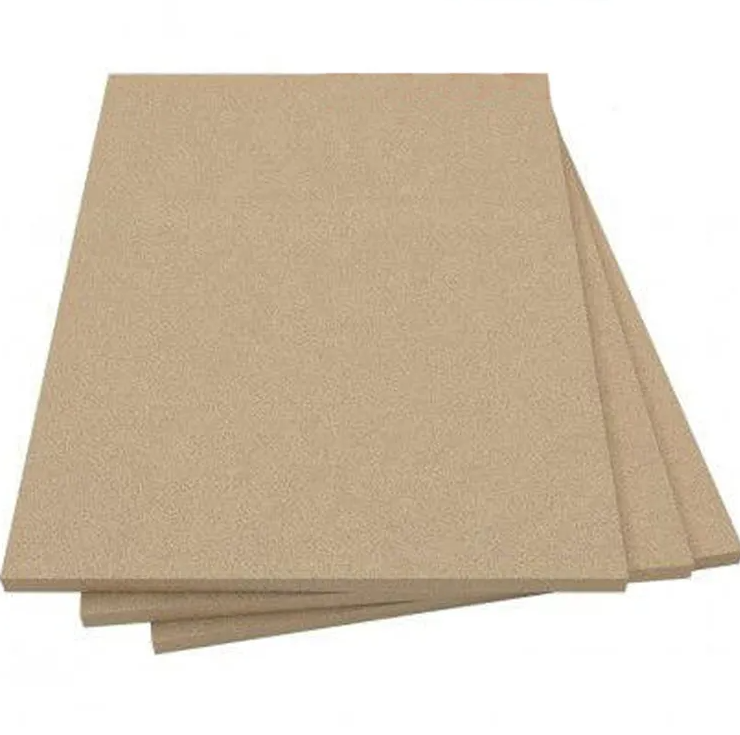
ROI Starts with What the Board Prevents
A fireproof vermiculite board rarely gets credit for what it stops from happening. It prevents heat from reaching structural steel. It stops flame from finding a path through equipment housings. It keeps shell temperatures low enough to protect workers and nearby components. Those are the invisible returns that show up later as avoided downtime and avoided repairs.
The more useful way to measure return on investment is to look at the total cost of running a high temperature system. Energy input, lining replacement labor, production interruptions, and safety incidents all sit in that number. A board that reduces any of them creates value even if the material price looks higher on the purchase order.
In steel ladles, aluminum cells, furnaces, and fireplaces, the insulation is not a consumable in the same way a filter is. It's a structural part of the thermal system. When it works, the whole system works better.
Lower Thermal Conductivity Means Less Fuel Burned
The most direct financial benefit comes from energy. A board with low thermal conductivity slows heat loss through the shell or casing. Less heat lost means less fuel burned to maintain process temperature. Over a year of continuous operation, that difference compounds.
The exact savings depend on operating temperature, surface area, and fuel cost. But the mechanism is straightforward. Every degree the outer shell stays cooler represents energy that stayed inside the process instead of leaking into the plant.
The table below shows how three insulation approaches compare on typical industrial heating equipment.
| Insulation Type | Thermal Conductivity | Heat Storage | Typical Service Life | Replacement Frequency |
| Fireproof vermiculite board | Low | Low | Long | Low |
| Ceramic fiber blanket | Low | Low | Moderate | Moderate |
| Calcium silicate board | Moderate | Moderate | Moderate | Moderate |
| Mineral wool board | Moderate | High | Shorter | Higher |
Longer Service Life Cuts Hidden Replacement Costs
A lining that fails early costs far more than the replacement board. The real expense is the labor to tear out the old material, the production time lost during the repair, and the risk of damaging adjacent components. Those costs often exceed the material price several times over.
Fireproof vermiculite board resists thermal shock well, which directly extends service life in cyclic applications. The expanded particle structure allows thermal movement without immediate cracking. Fewer cracks mean fewer heat leaks, and fewer heat leaks mean fewer unscheduled shutdowns.
In operations where maintenance windows are short and expensive, that reliability becomes a measurable financial advantage. A board that lasts two campaigns instead of one cuts replacement labor in half without changing anything else in the process.
Custom Sizing Reduces Installation and Scrap Loss
Field cutting insulation is slow, messy, and often wasteful. Workers trim panels to fit, and the offcuts usually end up in the trash. The labor cost of that trimming can rival the material cost on complex equipment.
Factory-machined boards change that equation. A fireproof vermiculite board cut to the actual dimensions of the furnace or appliance arrives ready to install. Joints fit tightly, scrap drops, and installation time falls. For equipment manufacturers, that speed translates into faster assembly and more units per shift.
Tight joints also improve thermal performance. Gaps are thermal short circuits. A board that fits precisely closes those gaps from the start, and the benefit continues over the life of the installation.
A Retrofit Example Shows How the Numbers Add Up
A metal processing facility in central China replaced the lining in a batch furnace that cycled between ambient and high temperature multiple times per day. The previous calcium silicate lining cracked after roughly nine months, and each replacement forced a three-day shutdown.
The new lining used fireproof vermiculite boards sized to the furnace sections. The joints closed tightly, and the boards held up through repeated thermal cycling without the same crack pattern. After the first full year, the furnace had not needed an unplanned lining repair. The material cost was higher, but the avoided shutdowns covered that difference several times over.
That pattern repeats in many high temperature operations. The board is not the largest line item. The labor and lost production around a failed board are.
Where the ROI Argument Has Limits
A fireproof vermiculite board is not a universal upgrade. If the existing insulation already meets thermal targets and shows no signs of premature failure, the financial case for replacement is weak. The strongest ROI appears when old linings crack early, shell temperatures run too high, or installation labor is eating too much time.
The board also has a maximum service temperature. Pushing beyond that limit destroys the return on investment because the material degrades and needs early replacement. Matching the product to the actual operating conditions is the only way the numbers work.
Moisture handling matters too. Wet boards can crack during first heat-up, which turns a good investment into an early failure. Proper storage and dry installation are part of the ROI equation, even though they rarely show up in a cost spreadsheet.
Manufacturing Quality Is Part of the Financial Case
The best ROI calculations fall apart if the product varies from batch to batch. Density changes alter thermal performance. Dimensional errors create gaps. Surface defects make tight joints impossible. A board that performs well on paper only pays back if the manufactured product matches the design.
That's where a specialist supplier becomes part of the value chain. Millegap focuses on insulation materials and fire protection vermiculite products, with particular attention to user-specific system solutions. Accurate dimensions, consistent density, and reliable thermal properties are what turn a fireproof vermiculite board from a commodity purchase into a measurable return on investment.
Table of Contents
- ROI Starts with What the Board Prevents
- Lower Thermal Conductivity Means Less Fuel Burned
- Longer Service Life Cuts Hidden Replacement Costs
- Custom Sizing Reduces Installation and Scrap Loss
- A Retrofit Example Shows How the Numbers Add Up
- Where the ROI Argument Has Limits
- Manufacturing Quality Is Part of the Financial Case