 EN

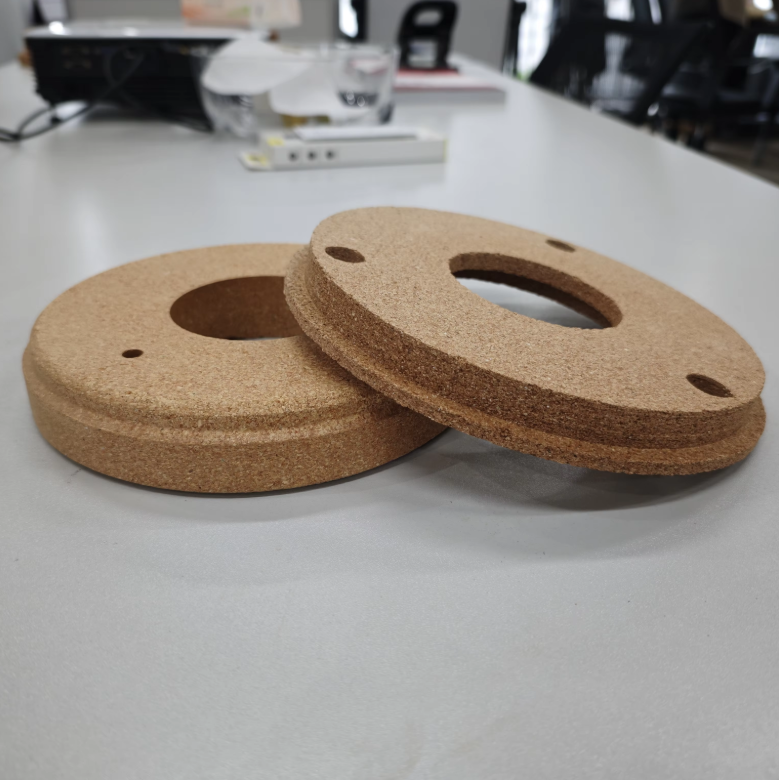
Start With the Right Grade and Thickness
A vermiculite fire board is not a commodity panel chosen by thickness alone. Expanded vermiculite gives the board a layered inorganic structure that resists thermal shock, but binder type, density, and pressing method decide how that structure behaves in real equipment. A board rated for 1,000°C service can still fail early in a cycled aluminum melting cell or a fireplace baffle if density is wrong. Lower density means lower heat storage and faster heat-up, yet it also reduces crushing strength. Match the board to the dominant stress: thermal cycling, abrasion, load, or chemical exposure. ASTM C177 thermal conductivity data and ISO 1182 non-combustibility results offer a baseline, but the installation drawing and heat profile matter more than a catalog number. A 25 mm board in a low-load furnace door may outlast a 40 mm board when expansion joints are missing.
Control Moisture Before and After Installation
Moisture is the quiet killer of vermiculite boards. The surface can look dry while the binder and pores hold enough water to cause steam spalling during first heat-up. In a southern chemical plant retrofit, crews replaced burner-area panels during the rainy season. The boards sat on a concrete floor under a tarp that trapped condensation. Six months later, layered cracks appeared near the hot face. Residual moisture turned to steam faster than it could escape, and vapor pressure opened planes between expanded flakes. The fix was simple: store on pallets, keep boards wrapped until installation, and run a controlled dry-out below 200°C before full production. A residual moisture reading below 1% is a reasonable target for dense grades. For porous boards, a slow ramp of 20 to 30°C per hour to 300°C gives vapor a path out. A sealed surface traps water and turns a small mistake into delamination.
Manage Thermal Cycling Instead of Fighting It
Thermal shock resistance is a headline feature of vermiculite fire board, but it has limits. The board survives rapid changes better than dense castables because expanded vermiculite has low thermal conductivity and low heat storage. Those properties also mean the hot face heats quickly while the cold face lags. If the gradient is too steep, microcracks form near anchors and edges. A steel ladle preheat or fireplace start-up can reach 800°C in minutes. Controlled ramp rates do more for longevity than any coating. For many industrial furnaces, 3 to 5°C per minute below 600°C, then 8 to 10°C per minute above 600°C, keeps the gradient manageable. Forced air on a hot board creates stress similar to fast heat-up. The table below summarizes common maintenance factors and practical targets.
| Factor | Common mistake | Practical target | Effect on service life |
|---|---|---|---|
| Heat-up rate | Full firing after cold start | 3 to 5°C/min below 600°C | Fewer edge cracks |
| Residual moisture | Installing damp boards | Below 1% before first heat | Less steam spalling |
| Expansion gap | Tight butt joints | 3 to 5 mm per meter | Lower compressive stress |
| Fastener type | Rigid welded studs | Slotted clips or floating anchors | Accommodates movement |
| Surface coating | Vapor-tight sealant | Breathable coating | Reduces blistering |
The principle stays consistent: give the board room to move and time to release vapor.
Fasteners, Gaps, and Expansion Allowance Matter
A vermiculite board can have high crushing strength and still crack because of how it is held. Rigid fastening looks secure, but it locks the board against thermal expansion. When the hot face grows and the cold face does not, the panel buckles or spalls around anchors. Slotted clips, floating anchors, and oversized washers allow small movements without losing support. A gap of 3 to 5 mm per meter of board length is a common starting point for furnace linings. In high-vibration equipment, such as a charging door or burner housing, pair the gap with a ceramic fiber gasket that compresses without transmitting load. Drill holes 2 to 3 mm larger than the fastener shank. If mortar is used, keep the bed thin and leave expansion joints open.
Inspection Routines That Catch Trouble Early
Most vermiculite fire board failures do not happen overnight. A simple inspection routine catches hairline cracks, loose anchors, or discolored patches before a panel drops into a ladle or a furnace door fails to seal. After first heat-up, check all joints and anchors. Inspect monthly for six months, when settling and binder curing are most active. After that, quarterly checks are often enough for stable processes. Look for crack width, anchor tightness, and surface color. A crack wider than 1.5 mm near an anchor deserves attention. White powder may be efflorescence from moisture migration, a warning that vapor is moving through the board. Thermal imaging helps, but it does not replace a physical check. Infrared cameras can miss delamination behind a hot face because the outer surface still looks uniform. A log with date, location, and action turns maintenance from guesswork into trend data.
Storage, Handling, and End-of-Life Decisions
Vermiculite boards are fragile at edges, even when the face has high crushing strength. Dropping a pallet or dragging a board across concrete can create invisible cracks that open later under heat. Store boards flat on a dry pallet, never on bare ground. Dust collection matters because vermiculite dust is a respiratory irritant, though not a carcinogen like some fibrous materials. For end-of-life, remove boards carefully. Spent boards may contain process dust, metal splash, or chemical deposits. Clean vermiculite board often goes to landfill as inert construction waste, but contaminated boards from metallurgical equipment may need special handling. Base the decision on crack depth, anchor condition, and process risk, not on a calendar alone.
Millegap focuses on insulation materials and fire protection vermiculite products, with manufacturing and supply capabilities that support industrial ladles, aluminum melting cells, heating equipment, fireplaces, and building construction. The company's emphasis on user-specific system solutions and controlled production helps buyers match board grade, thickness, and anchoring details to the actual heat profile.