 EN
EN

When a Fire Protection System Fails a Visual Inspection Before It Ever Sees a Fire
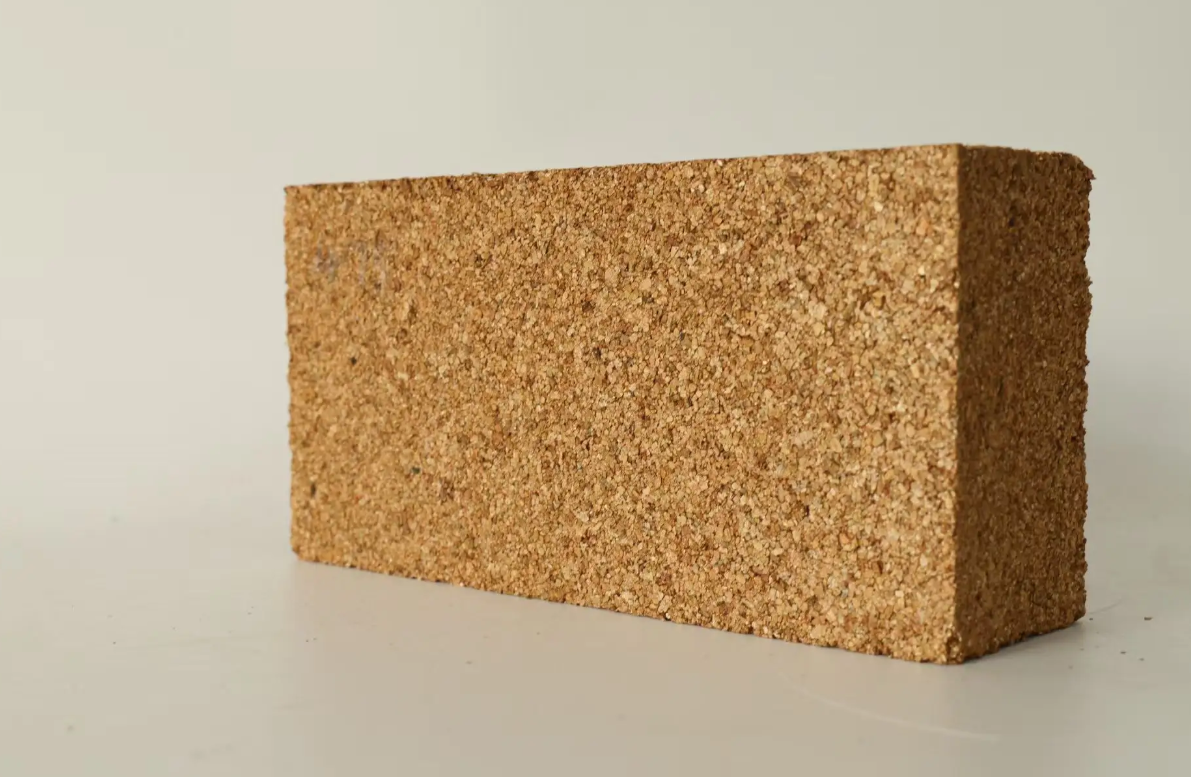
A fire engineer walks through a nearly completed commercial building, clipboard in hand, checking the passive fire protection installations against the approved specifications. The vermiculite boards encasing the structural steel columns look generally correct from a distance, but a closer examination tells a different story. Hairline cracks radiate from several screw heads where the fixings were driven too deep. A vertical joint between two boards has opened to a visible gap, and at one corner, a board edge has crumbled away entirely, leaving a patch of bare steel exposed. None of these defects were caused by a fire. They were caused by installation errors, construction traffic, and environmental exposure during the weeks since the boards were first mounted. The fire engineer marks each defect on the inspection report, and the general contractor is now facing a remediation order that will delay the occupancy permit. This scenario replays across construction projects because fire protection is often treated as a finishing trade when it is, in reality, a life safety system that demands precision installation and proactive troubleshooting.
Moisture, Impact, and Vibration: The Three Enemies of Installed Fire Boards
Vermiculite fireproof boards leave the factory as rigid, dimensionally stable panels, but the construction site is an aggressive environment that tests every building material. The three most common agents of damage are moisture, impact, and vibration, and they often work in combination. Moisture is particularly insidious because its effects may not be visible immediately. Vermiculite boards use a binder system, typically an inorganic silicate or organic polymer, to hold the expanded mineral granules together. When boards absorb moisture from rain exposure, wet trades, or high humidity before the building envelope is closed, the binder can soften, the board can swell slightly, and upon drying, the edges may become friable and prone to crumbling. Impact damage is more obvious but no less serious. Following trades such as electricians, mechanical pipe fitters, and ceiling installers work in close proximity to fire protected steel, and a ladder leaned against a board edge or a dropped tool can create a crack or a spalled section that compromises the fire barrier continuity. Vibration is the most overlooked factor. Structural steel in an active building transmits vibration from heavy foot traffic, operating mechanical equipment, and even wind loads. Over time, vibration can loosen mechanical fixings, particularly if the screws were originally installed without adequate edge distance or into a substrate that does not hold threads reliably.
Why Board Joints Open Up and How to Close Them Properly
Joint integrity is the most critical variable in a vermiculite board fire protection system. A fire barrier is only as strong as its weakest opening, and a gap between boards provides a direct path for heat and hot gases to reach the steel substrate. Joints open up for several predictable reasons. Thermal cycling causes the steel substrate and the board system to expand and contract at different rates, and if the boards are butted too tightly during installation without allowance for movement, compressive stress can cause edge spalling at the joint line. In other cases, the joint sealant specified in the tested system was omitted entirely, or an incompatible sealant was substituted without verifying its fire resistance rating. Proper joint detailing follows the tested assembly configuration. Staggered joints that avoid four corners meeting at a single point distribute stress more evenly and provide a longer path for any potential heat leakage. The joint sealant must be selected from the system certification documentation, because the fire performance of the sealant is tested as part of the complete assembly. A sealant that performs well in ambient conditions may degrade rapidly under fire exposure if it was not formulated for high temperature stability.
What the Test Standards Require and Why Repairs Must Match the Original Certification
Fire resistance testing of vermiculite board systems is conducted on complete assemblies that include a specific board type and thickness, a defined joint configuration, a specified fixing type and pattern, and in many cases, a particular joint sealant or filling compound. When a system earns a fire resistance rating, that rating applies to the exact assembly that was tested. Any deviation in the field, whether intentional or accidental, moves the installation into untested territory. This is the principle that governs remediation as well. When a damaged board is replaced or a cracked section is repaired, the repair must restore the assembly to its tested condition. This means using the same board material, the same fixing method with the same edge distance, and the same joint treatment. For the building owner and the fire authority, the documentation trail matters almost as much as the physical repair. The remediation should be recorded with photographs, material batch numbers, and an installer statement confirming that the repair followed the system certification requirements. This record is part of the building's fire safety file and may be reviewed during subsequent inspections or in the event of a fire incident investigation.
An Honest Guide to Protecting Fire Boards During and After Construction
Preventing vermiculite board issues is fundamentally a logistics and sequencing challenge. The honest advice that experienced site managers pass on to their teams starts with storage. Boards should be stored flat, off the ground on pallets, and protected with waterproof sheeting until they are ready to be installed. Installing fire protection boards while the building is still open to the weather or before the roof is watertight is a common source of moisture related problems that are entirely avoidable. Once installed, the boards need protection from following trades. This does not require elaborate enclosures, but it does require clear communication that the fire protected steel is not a work platform, a ladder support, or a hanger point for temporary services. A brief toolbox talk with the electrical and mechanical subcontractors before they begin work in a fire protected zone can prevent more impact damage than any amount of post installation patching. After construction is complete and the building is occupied, a simple annual visual inspection of exposed vermiculite board surfaces can catch loose fixings or developing cracks before they become significant enough to require a full remediation project.
Sourcing Boards That Minimize Troubleshooting from the Start
The troubleshooting burden on a construction project is directly influenced by the quality of the materials delivered to the site. Vermiculite boards that are manufactured with consistent density across the entire sheet will resist edge crumbling during cutting and fixing. Boards with uniform thickness and flatness will produce tight, even joints without the need for excessive on site adjustment. Boards cured under controlled factory conditions will arrive on site with their full design strength and dimensional stability, rather than continuing to cure and potentially warping after installation. These quality attributes are not visible on a specification sheet, but they become immediately apparent when the installer begins cutting and fixing the boards. Millegap supplies vermiculite fireproof boards manufactured under controlled production conditions, with attention to the material consistency and dimensional accuracy that reduce the likelihood of field problems. For the contractor responsible for delivering a compliant fire protection installation and the building owner who will live with that installation for decades, the manufacturing quality behind the board is the invisible factor that determines whether fire protection remains a silent, reliable safeguard or becomes a recurring maintenance issue.
Table of Contents
- When a Fire Protection System Fails a Visual Inspection Before It Ever Sees a Fire
- Moisture, Impact, and Vibration: The Three Enemies of Installed Fire Boards
- Why Board Joints Open Up and How to Close Them Properly
- What the Test Standards Require and Why Repairs Must Match the Original Certification
- An Honest Guide to Protecting Fire Boards During and After Construction
- Sourcing Boards That Minimize Troubleshooting from the Start