 EN
EN

The Material Behind the Insulation Is Getting Harder to Ignore
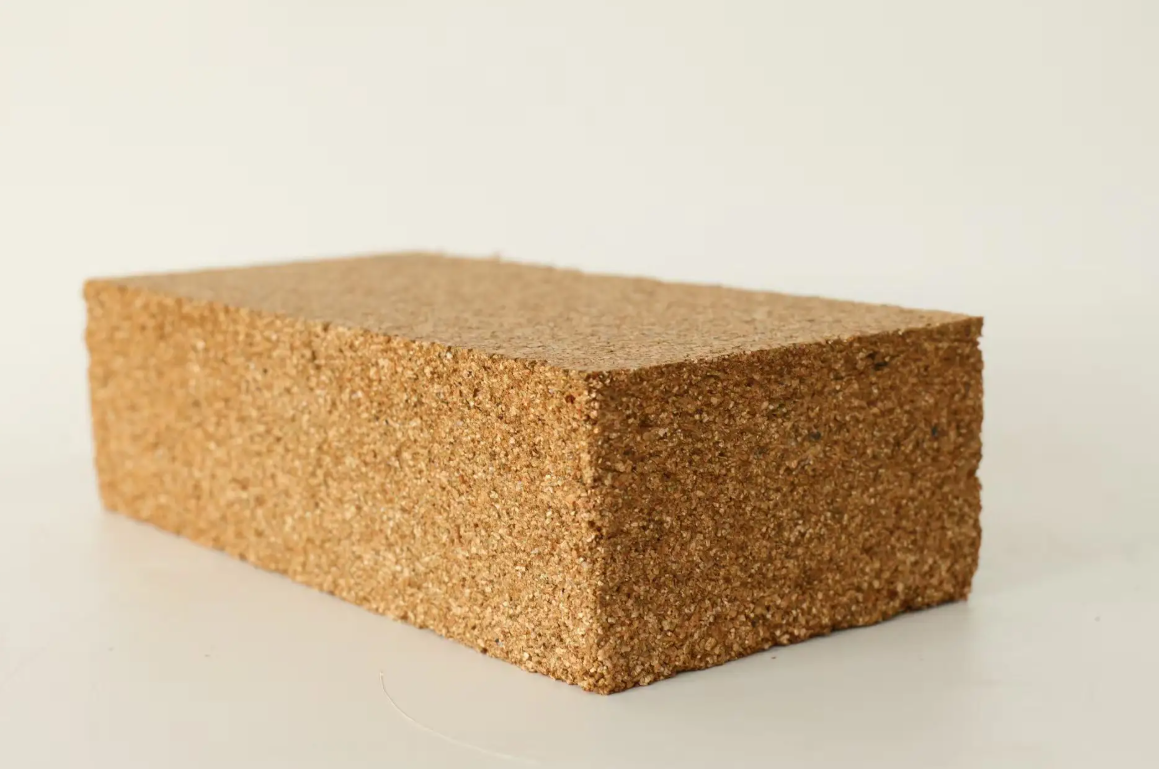
Vermiculite has been around in industrial insulation for decades, but it's receiving fresh attention in 2025. The reason is simple. Energy costs keep rising, equipment runs hotter, and more projects demand materials that can handle repeated thermal cycling without breaking down. A vermiculite insulation product sits right in the middle of that shift.
The mineral itself is a naturally occurring layered silicate. When heated, it expands into lightweight, accordion-shaped particles. That expansion creates tiny air pockets, and those pockets are what give vermiculite its low thermal conductivity. The material doesn't burn, doesn't rot, and holds its shape at temperatures that would destroy many organic insulations.
What makes it different from ceramic fiber or calcium silicate is the combination of thermal resistance, dimensional stability, and machinability. It can be cut, routed, and shaped into custom parts without losing its insulating properties. That matters when equipment geometry gets complicated.
Why High Temperature Stability Is Not Just a Spec
Most insulation failures don't happen because the material melts. They happen because repeated heating and cooling causes cracking, spalling, or shrinkage. That's thermal shock, and it's one of the hardest conditions to design around.
Vermiculite handles thermal shock unusually well. Its expanded structure allows micro-movement without fracturing. In applications like steel ladles, aluminum melting cells, and furnace linings, the material goes through rapid temperature swings on a regular basis. A lining that cracks early creates heat leaks, and those heat leaks turn into energy waste and safety risks.
The table below compares how common high temperature insulation materials behave under cyclic thermal conditions.
| Material Type | Thermal Shock Resistance | Typical Service Temperature | Custom Machinability |
| Vermiculite board | Excellent | Up to 1100 C range | Good |
| Ceramic fiber blanket | Good | Higher range possible | Limited |
| Calcium silicate board | Moderate | Up to 1000 C range | Good |
| Mineral wool board | Fair | Lower range | Limited |
Where the Industrial Sector Feels the Difference
Steelmaking and aluminum production are unforgiving environments for insulation. In a steel ladle, the lining has to manage extreme heat while protecting the steel shell behind it. If the insulation degrades too fast, the shell temperature climbs, and the whole vessel becomes a safety concern.
Aluminum melting cells have a different problem. The thermal cycling is frequent, and the insulation has to deal with both heat and chemical exposure from fluxes and molten metal splash. Vermiculite's dimensional stability helps here because it doesn't shrink away from joints the way some fiber-based products do.
Furnace builders also appreciate that vermiculite can be supplied as boards, shapes, or custom machined components. That flexibility reduces the number of joints and gaps in a lining. Fewer gaps mean fewer thermal short circuits.
Heating Equipment and Fireplaces Create Different Demands
Not every vermiculite application is heavy industry. Fireplaces, wood stoves, and domestic heating equipment use vermiculite panels because they need a material that can sit close to the fire without degrading. The panels also need to be easy to cut during installation, which rules out harder ceramic products.
In this segment, the visual and mechanical properties matter alongside the thermal ones. A vermiculite panel has low heat storage, so the stove heats up faster and transfers more useful warmth to the room. It also resists cracking during startup and shutdown cycles, which is exactly when many fireplace linings fail.
For equipment manufacturers, the ability to order panels in exact dimensions is a practical advantage. Installation time drops, and the final product looks cleaner. Custom sizing is not a luxury here. It's a production requirement.
A Field Observation Shows Why Fit Matters
A manufacturing team working on a high temperature furnace retrofit in northern China ran into a familiar problem. The original insulation had been cut on site from large boards, and the joints didn't match the furnace geometry well. After a few months of cycling, the gaps opened up, and the shell temperature rose noticeably.
The replacement used factory-machined vermiculite components sized to the actual furnace dimensions. The joints fit tightly, and the shell temperature stayed within the expected range after the same operating period. The material itself wasn't dramatically different from what the team had used before. The improvement came from precise fit and better dimensional control.
That kind of outcome shows up in many high temperature installations. The insulation product matters, but the engineering around it matters just as much.
Honest Limits Keep the Material in the Right Places
Vermiculite is not the answer to every high temperature problem. It has a maximum service limit, and pushing beyond that range causes the structure to degrade. In applications above its rated temperature, ceramic fiber or other refractory products make more sense.
It also needs to stay dry during storage and installation. Moisture trapped inside a board can turn to steam when the equipment heats up, and that rapid expansion can crack the panel. Handling practices matter.
Buyers should also pay attention to density and compressive strength. Not every vermiculite product is the same. The right choice depends on whether the part needs to bear load, resist erosion, or simply fill space as a thermal barrier. Matching the product to the actual operating conditions is the real engineering task.
The Supply Chain and Manufacturing Precision Decide the Outcome
A vermiculite insulation product only performs as well as its manufacturing allows. Consistency matters at every step, from raw material selection to final machining. If the board density varies, the thermal performance varies with it. If the dimensions are off, installation gets harder and thermal gaps appear.
That's where an experienced manufacturer makes a difference. Millegap specializes in insulation materials and fire protection vermiculite products, with a focus on user-specific system solutions. The ability to supply accurate, customized dimensions and consistent material quality is exactly what high temperature equipment builders need. In 2025, with energy efficiency and equipment uptime under closer scrutiny, a well-made vermiculite insulation product is less of a commodity and more of a strategic material choice.
Table of Contents
- The Material Behind the Insulation Is Getting Harder to Ignore
- Why High Temperature Stability Is Not Just a Spec
- Where the Industrial Sector Feels the Difference
- Heating Equipment and Fireplaces Create Different Demands
- A Field Observation Shows Why Fit Matters
- Honest Limits Keep the Material in the Right Places
- The Supply Chain and Manufacturing Precision Decide the Outcome