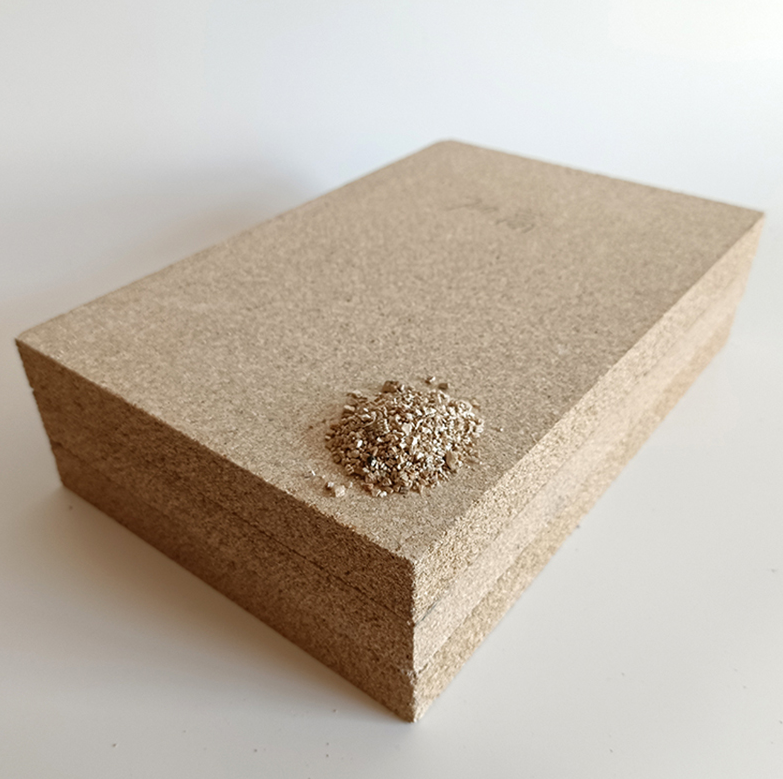
What ROI Really Means for a Refractory Lining A vermiculite brick is not bought for its own sake. It goes into a lining to protect steel, hold heat, and survive cycling. ROI for a refractory lining is not just the price per piece. It includes install...
VIEW MORE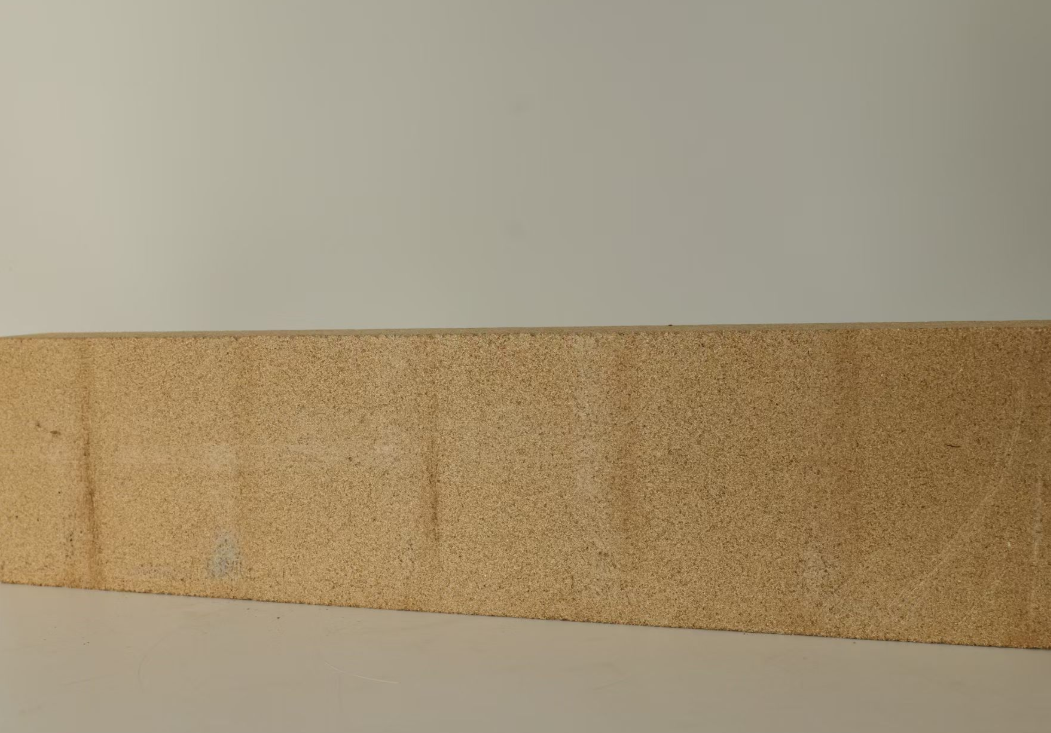
Why Thermal Shock Resistance Changes the Maintenance Math A vermiculite refractory board earns attention first for its thermal shock resistance. Expanded vermiculite forms a layered structure that flexes slightly under rapid temperature change. Dense...
VIEW MORE
What Advanced Service Looks Like for Vermiculite Refractory Board in 2025 A vermiculite refractory board is no longer just a backup insulation layer behind a hot face. In 2025, plants are pushing furnaces harder, cycling them faster, and experimentin...
VIEW MORE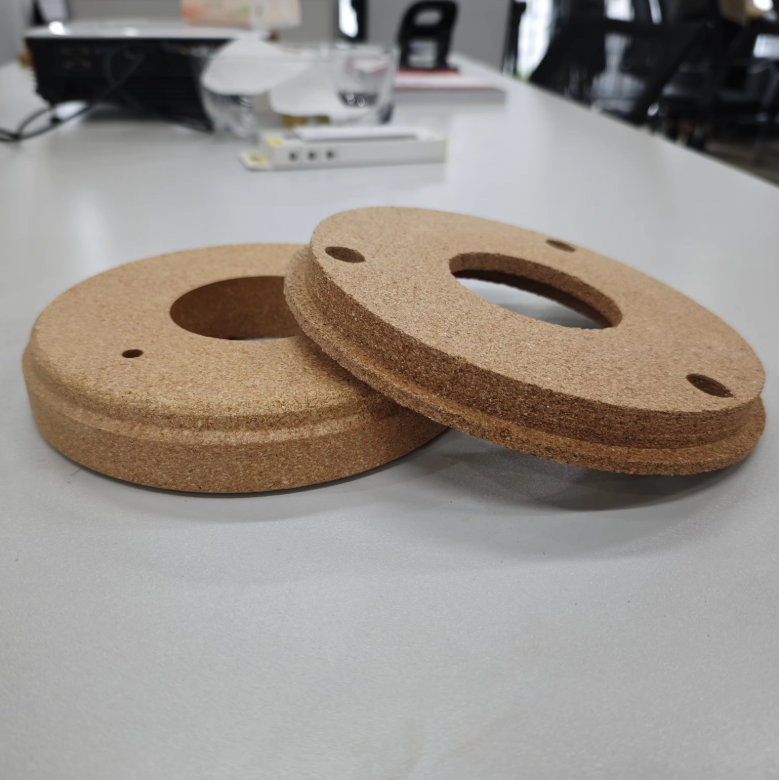
Start With the Right Grade and Thickness A vermiculite fire board is not a commodity panel chosen by thickness alone. Expanded vermiculite gives the board a layered inorganic structure that resists thermal shock, but binder type, density, and pressin...
VIEW MORE
Why Fire Safety in Industrial Spaces Is a Materials Problem Industrial fire safety often gets reduced to alarms, sprinklers, and training. Those matter. But the barrier that keeps a hot process from becoming a building fire is usually a material deci...
VIEW MORE
Why Boiler Insulation Deserves a Fresh Look Boiler insulation is one of those topics that gets ignored until something fails. A boiler runs hot, cycles on and off, and radiates heat through every accessible surface. When the lining or board starts ...
VIEW MORE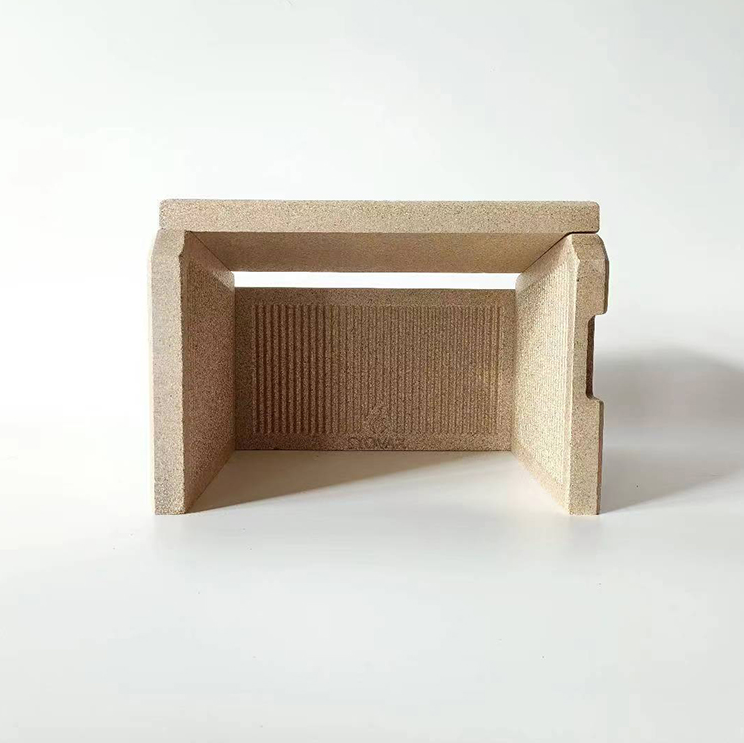
Industrial Vermiculite Fire Board and the Shift Toward Safer Heat Barriers Industrial vermiculite fire board has moved from a niche refractory product to a mainstream choice for plants that need reliable heat containment without the hazards linked ...
VIEW MORE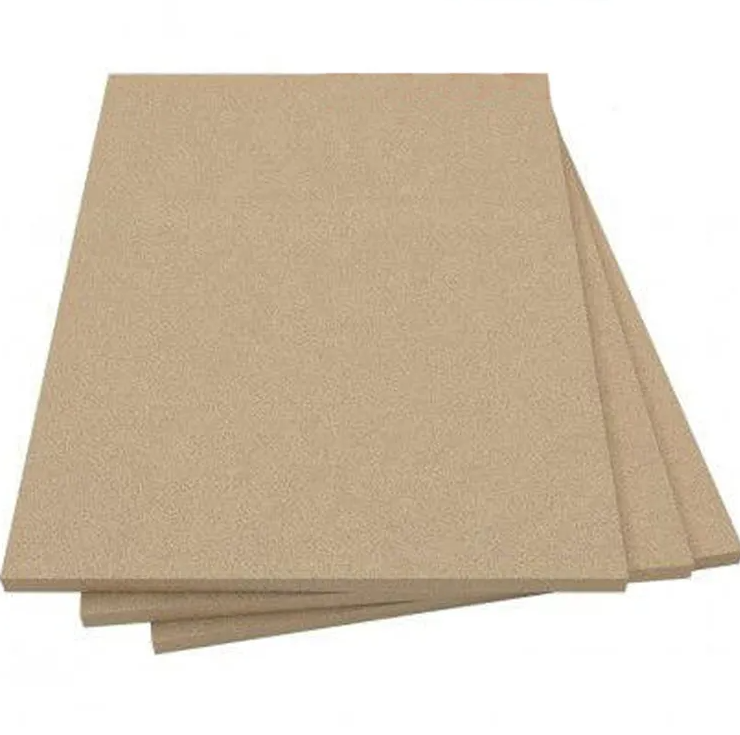
Understanding What Drives Value in a Fire Board A vermicullite fire board is not just a piece of insulation. It is a component inside a system that has to handle heat, cycling, mechanical movement, and sometimes chemical exposure. Value comes from ho...
VIEW MORE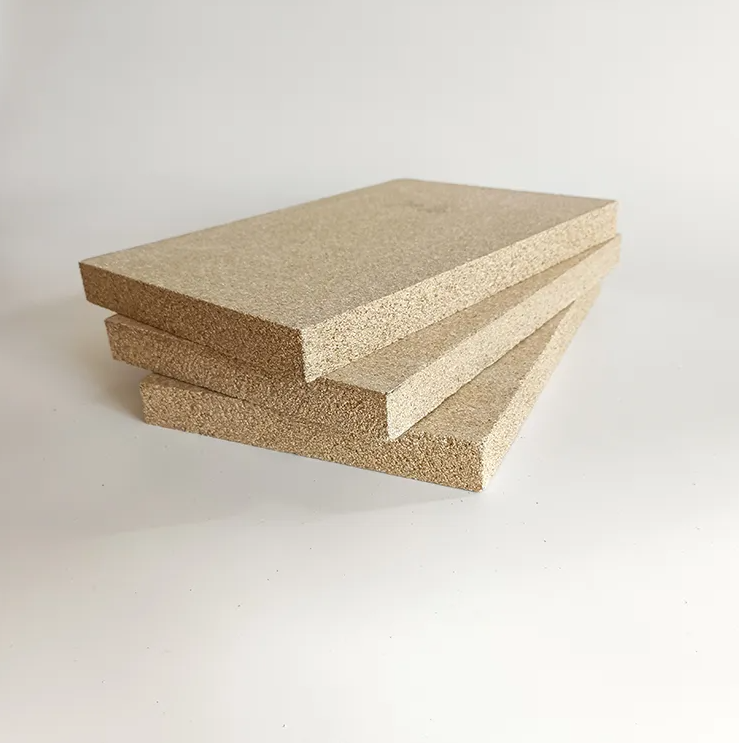
What a Boiler Lining Actually Has to Survive Boiler linings live in a rough place. Heat comes from one side, cooling air or shutdown cycles hit the other, and the lining has to hold its shape while metal parts expand and contract. A boiler vermiculit...
VIEW MORE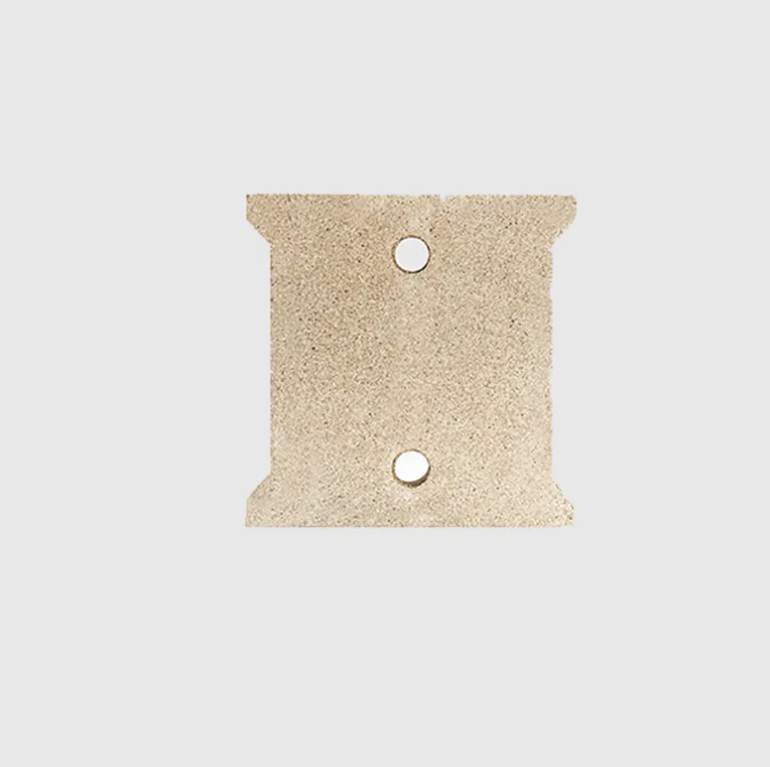
Why Vermiculite Sheets Keep Showing Up in Tough Construction Details Modern construction keeps asking materials to do more than one job. A wall or enclosure may need fire resistance, thermal isolation, dimensional stability, and a reasonable installe...
VIEW MORE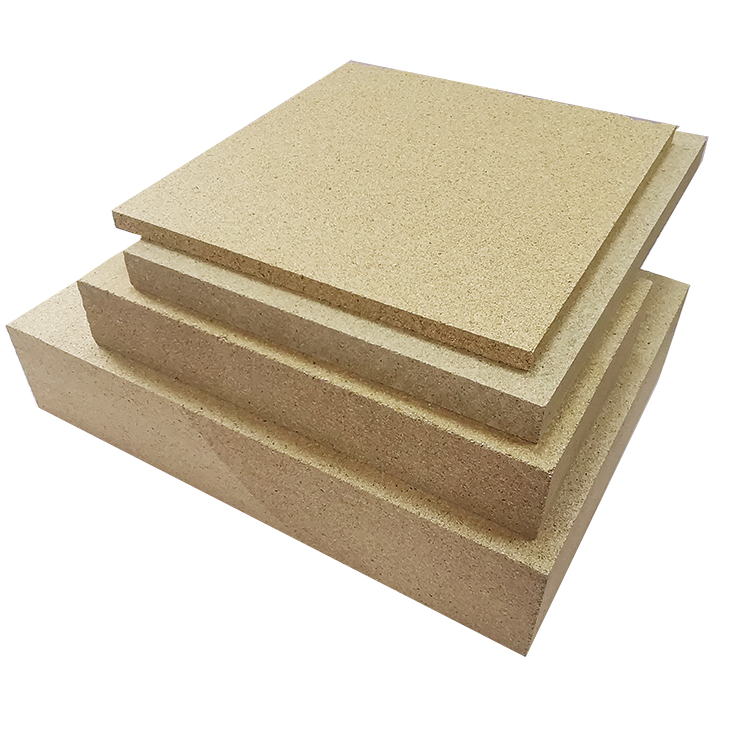
Exceptional Fire Resistance and Passive Fire Protection Industrial vermiculite board serves as a critical element in passive fire protection strategies, limiting flame spread and maintaining structural compartmentalization without active interventi...
VIEW MORE
ROI Starts with What the Board Prevents A fireproof vermiculite board rarely gets credit for what it stops from happening. It prevents heat from reaching structural steel. It stops flame from finding a path through equipment housings. It keeps shell ...
VIEW MORE EN
EN
